



The DIY Advantage Is Shrinking
For decades, building your own PC was the obvious move if you cared about value. You picked your components, avoided paying for a brand name, and walked away with a machine that matched exactly what you needed. That logic still holds in theory – but the math is getting harder to defend heading into 2026.
Off-the-shelf, prebuilt PCs are now hitting price points that make the custom-build route look less like a bargain and more like a weekend project with a premium attached. The gap between what you spend assembling a system yourself and what you’d pay for a comparable prebuilt has narrowed enough that it’s worth reconsidering the whole calculation before ordering parts.
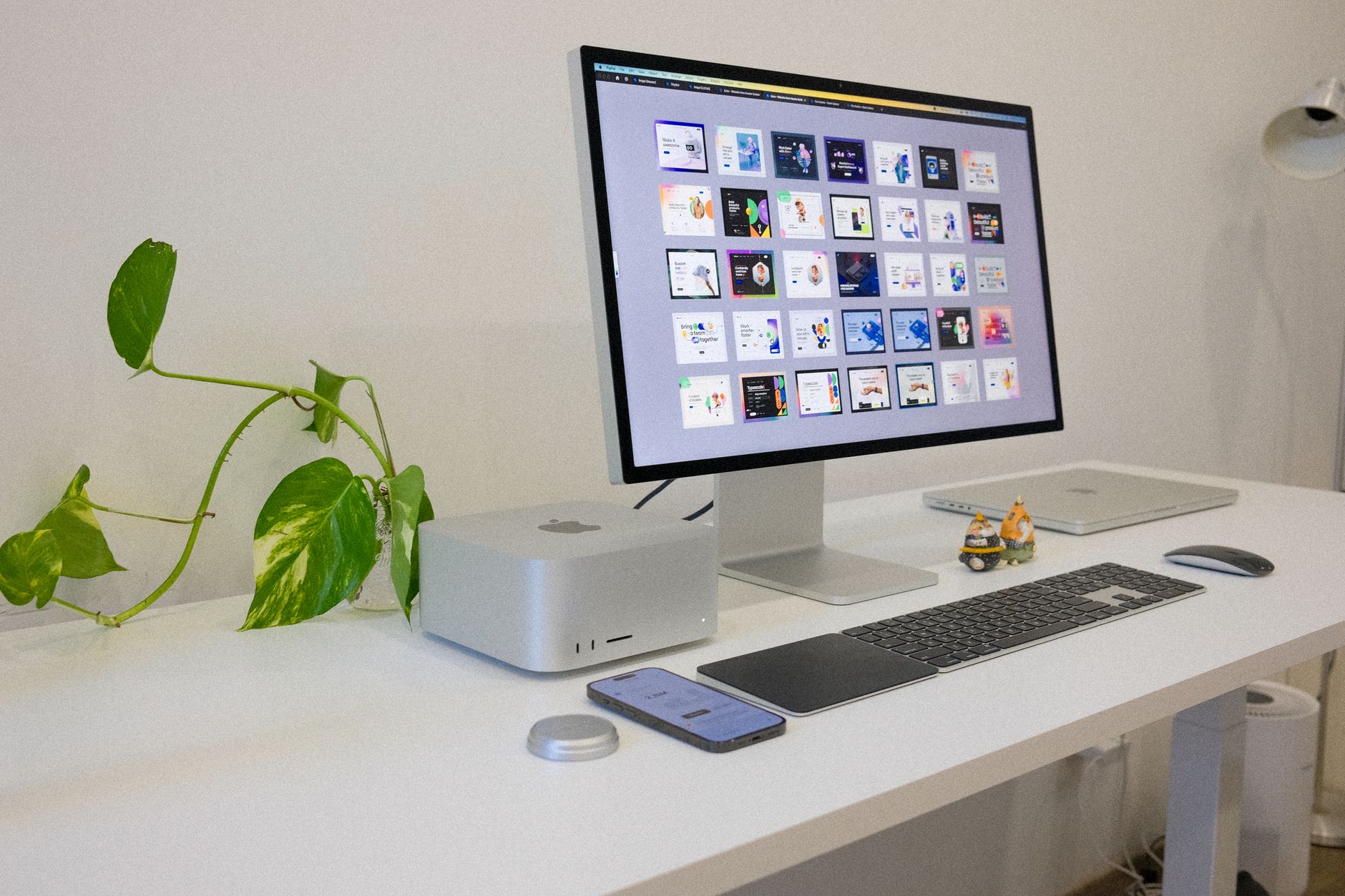
Why Prebuilts Are Gaining Ground on Cost
The pricing shift isn’t accidental. Large PC manufacturers buy components at volumes that individual consumers simply cannot match. When a company like HP, Dell, or Lenovo orders GPUs, CPUs, and memory in bulk, the per-unit cost drops well below what any single buyer sees at retail. That savings gets passed – at least partially – into the final sticker price, and right now, that difference is visible enough to matter.
Component prices at the retail level have stayed elevated or unpredictable, depending on the part. Graphics cards in particular have been subject to supply pressures, tariff exposure, and demand spikes that push prices well above what would make a DIY build feel like a deal. A prebuilt system with a comparable GPU, bundled into a package price, can land cheaper than buying that same card alone through a consumer storefront.
There’s also the question of what “affordable” actually covers in a prebuilt. These systems typically arrive with an operating system already licensed, a warranty that covers the whole unit, and in many cases, a keyboard and mouse in the box. When you factor in the cost of a Windows license – which runs around $100 to $140 at retail – and any peripherals a new builder still needs to source, the prebuilt price starts looking even more competitive against the itemized DIY total.
None of this means prebuilts have become the obvious winner. Some manufacturers still pad configurations with slower storage, weaker PSUs, or proprietary cases that make future upgrades awkward. Reading the spec sheet carefully before buying matters as much as ever. But the base price, considered on its own, is no longer the easy loss it used to be compared to a self-built system.
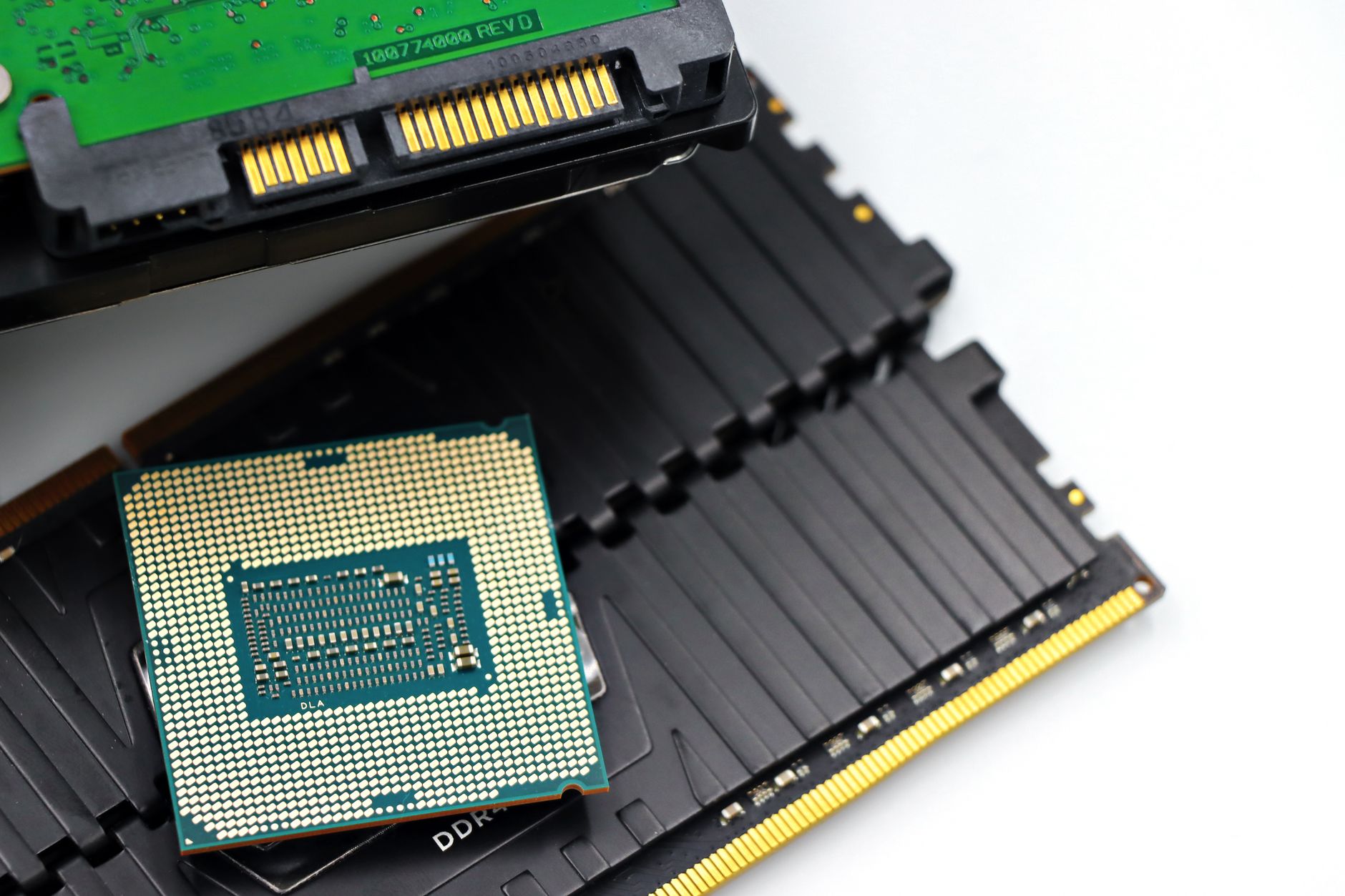
What You Give Up Going the DIY Route in 2026
Building your own PC still offers real control. You choose the exact motherboard, the thermal solution, the case airflow, and the storage configuration down to the slot. For users who need a machine tuned to specific workloads – video editing, 3D rendering, game development – that precision is hard to replicate with prebuilt options, which tend to cluster around mainstream configurations.
The time cost is also real, and it isn’t just the assembly itself. Sourcing compatible parts, tracking price drops, waiting on shipping from multiple vendors, and troubleshooting any boot issues after the build all eat into the hours a prebuilt simply doesn’t require. For buyers who don’t find that process interesting or don’t have the time, the prebuilt premium – if one even exists at current prices – may already be worth paying.
How to Evaluate Whether a Prebuilt Makes Sense for You
The clearest way to test whether a prebuilt beats a DIY build right now is to price out the components you’d actually use – not the cheapest options, but the ones you’d genuinely buy – and compare that total against a prebuilt with equivalent specs. Include the OS license, any required peripherals, and shipping costs from multiple vendors. That comparison, done honestly, tells you more than any general rule about which approach is cheaper.
Pay close attention to the PSU and storage specs in any prebuilt you’re considering. These are the areas where manufacturers most commonly cut corners to hit a price target. A system with a 500-watt PSU paired with a mid-range discrete GPU, or one that ships with a slow 5400 RPM hard drive as primary storage, may cost you more in upgrades than you saved upfront.
Warranty terms deserve the same scrutiny. Most major OEM prebuilts come with at least a one-year limited warranty, and some offer on-site service options that no DIY build can match. If a GPU dies a week after you finish a custom build, you’re dealing with the GPU manufacturer’s RMA process alone. In a prebuilt, that’s one call to one company.

The core question isn’t really whether prebuilts have become superior to DIY – they haven’t, for anyone who values customization or enjoys the process. The question is whether the price difference that historically justified the extra effort still exists in the current market. In 2026, for a growing number of buyers, it doesn’t. And if you’re standing between a configured prebuilt at $899 and a parts list that totals $940 before the OS, what exactly are you building for?