


The Brand Loyalty Problem Nobody Warned You About
You bought a smart bulb from one company, a thermostat from another, and a security camera from a third – and now none of them talk to each other. This is not a rare edge case. It is the default experience for most people building a smart home without a compatibility plan in place first.
The good news is that cross-brand integration is genuinely achievable. The tricky part is understanding which layer of your setup actually does the connecting – because it is rarely the devices themselves.
Platforms Are the Real Foundation
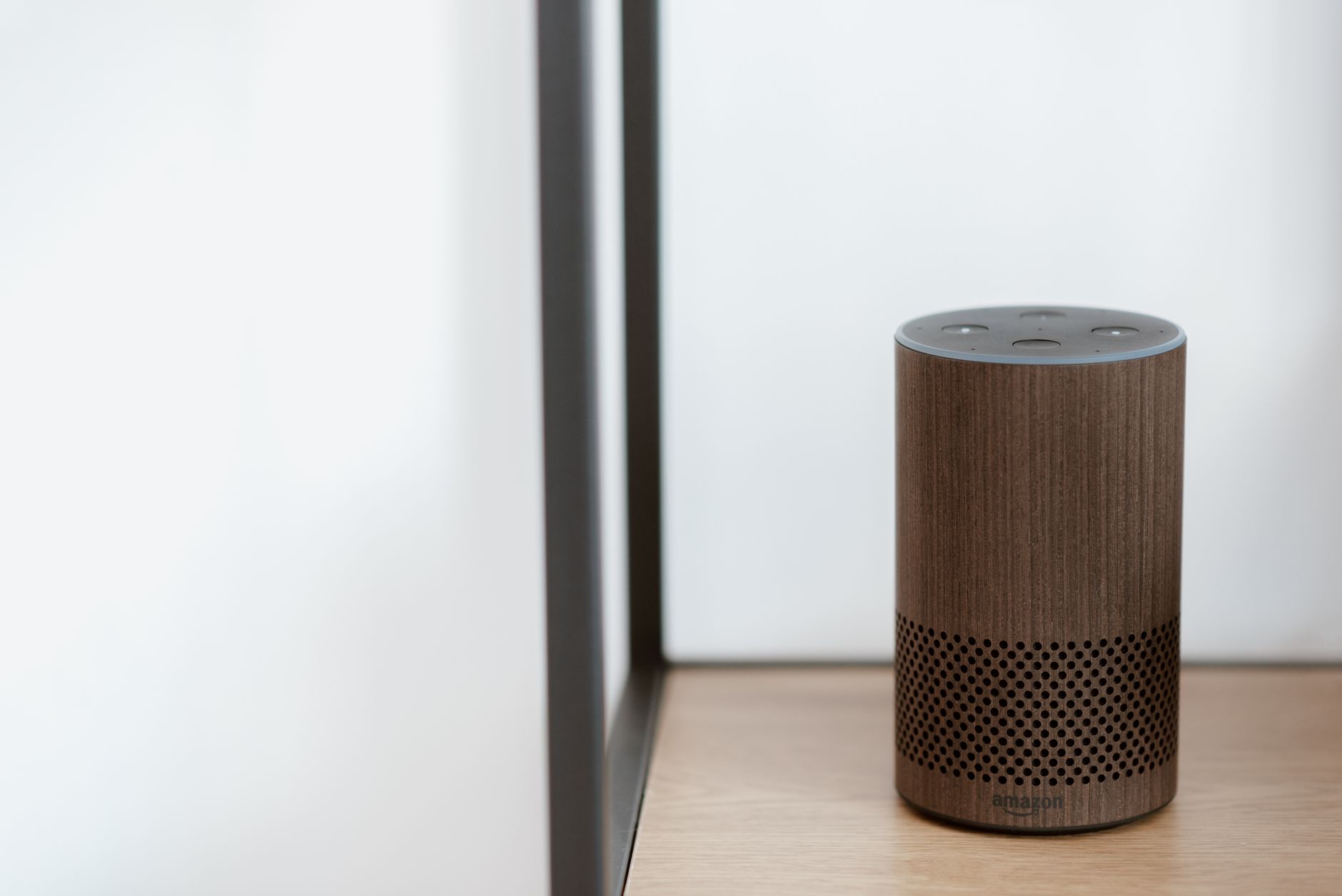
Smart home devices do not connect to each other directly. They connect to a platform – a central hub or software layer that acts as the translator between brands. The major players here are Amazon Alexa, Google Home, and Apple HomeKit. Each has its own ecosystem logic, its own device compatibility list, and its own tradeoffs. Picking one before you buy your first device saves a significant amount of frustration later.
Amazon Alexa supports the widest raw number of compatible devices, which makes it a practical default for people who want maximum hardware flexibility. Google Home integrates tightly with Android phones and Google’s own Nest product line, so if you are already in that ecosystem, adding smart home devices feels relatively natural. Apple HomeKit is the most restrictive in terms of which devices qualify, but it offers stronger privacy guarantees – HomeKit devices process more data locally rather than sending it to the cloud.
What matters most is not which platform is objectively best, but which one matches the phones, tablets, and voice assistants you already use. A HomeKit setup controlled from an Android phone is technically possible in limited ways, but it creates friction that defeats the purpose of a smart home entirely. Start with the platform, then shop for devices.
Matter Changed the Equation – Partially
In 2022, a new connectivity standard called Matter launched with backing from Apple, Google, Amazon, and Samsung. The pitch was simple: a Matter-certified device should work across all major platforms without requiring separate apps or workarounds. A single light switch could appear in both Google Home and Apple HomeKit simultaneously, controlled from either without conflict.
That promise holds up in practice more often than it used to, but Matter is still maturing. Not every device category is covered yet – Matter started with lights, plugs, locks, and thermostats, and has been expanding since. Older devices that predate the standard are not automatically compatible, and some manufacturers have been slow to push Matter firmware updates to existing hardware. If you are buying new devices in 2024 and want the most flexibility going forward, checking for Matter certification on the packaging is worth doing before you leave the store.
Hubs, Bridges, and Why Some Devices Need a Middleman
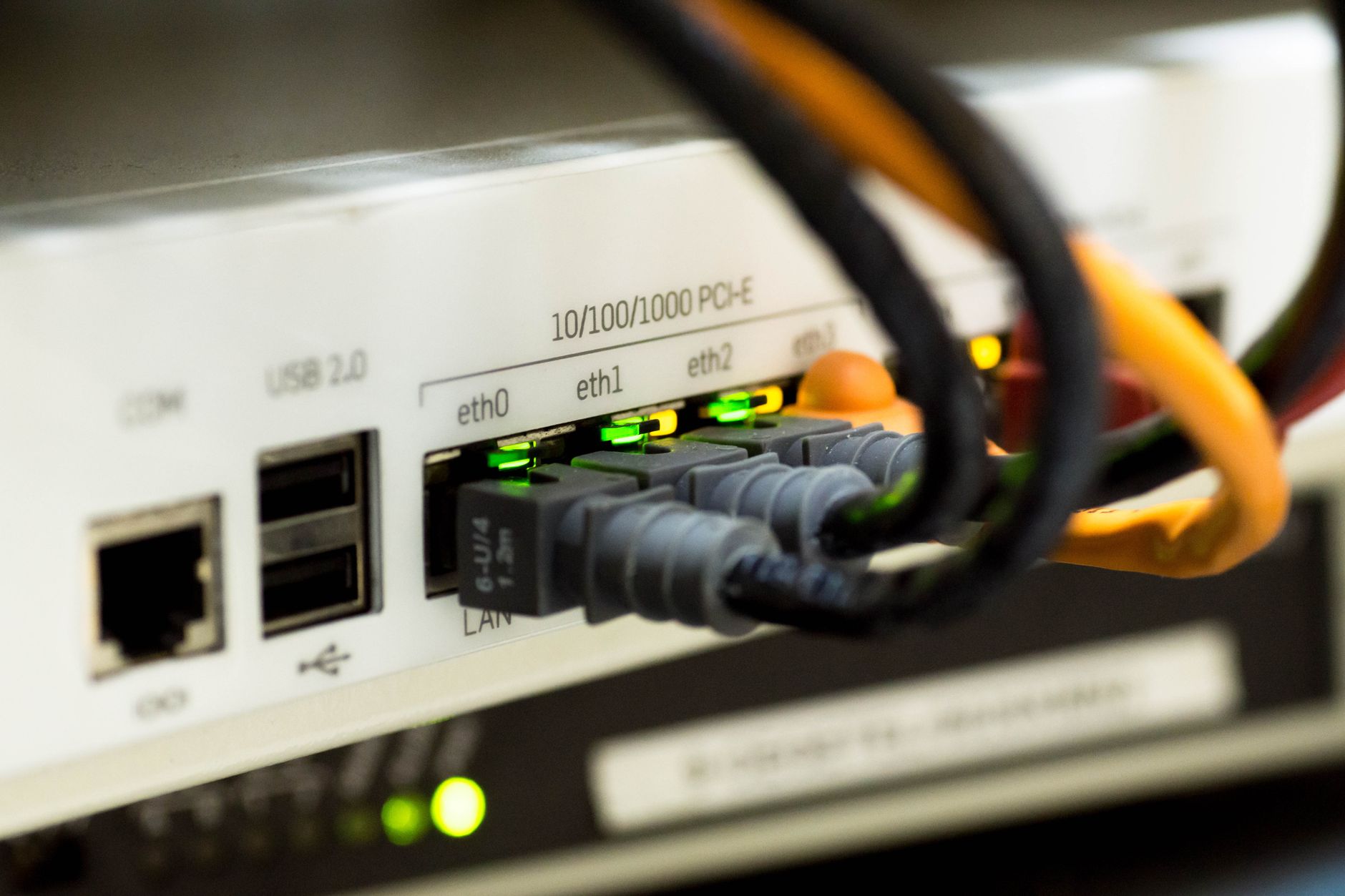
Some smart home devices do not connect to your Wi-Fi network directly. They use different wireless protocols – Zigbee and Z-Wave being the two most common – that require a dedicated hub to bridge them onto your home network. Philips Hue lights, for example, need the Hue Bridge plugged into your router before they can appear in any app or platform. IKEA’s Dirigera hub does the same job for IKEA’s Tradfri and Symfonisk product lines.
This extra hardware step annoys people who expected plug-and-play simplicity, but Zigbee and Z-Wave devices have real advantages. They form mesh networks, meaning each device extends the range of the network rather than depending entirely on your Wi-Fi router’s signal. In a larger home, or one with thick walls that eat Wi-Fi signals, a Zigbee mesh can be more reliable than adding more Wi-Fi devices. The hub is an upfront cost – typically between $30 and $80 depending on the brand – but it is a one-time purchase that covers every device on that protocol.
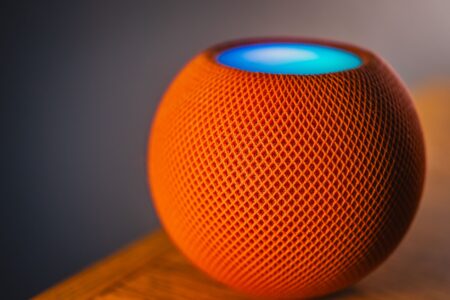
Thread is a newer mesh protocol that works similarly to Zigbee but does not require a separate hub if you already have a Thread Border Router in your home. Apple HomePod mini, Apple TV 4K, and several Google Nest devices act as Thread Border Routers automatically. If you own any of those, some Thread-enabled devices can join your network without additional hardware.
The practical question before buying any device is: does this need a hub I do not already own? A quick check of the device’s connectivity specs – listed as Wi-Fi, Zigbee, Z-Wave, Thread, or Bluetooth – answers that before you open the box. Connectivity gaps can appear in unexpected places, and knowing your protocol mix ahead of time is simpler than troubleshooting it after installation.
Routines and Automations Are Where It Actually Gets Useful
Getting devices to respond to a voice command is the entry point. Automations – rules that trigger devices based on time, location, or sensor readings – are what make a smart home worth the setup effort. Most platforms support them, but the depth varies significantly.
Amazon Alexa’s Routines feature handles basic time-based triggers and some sensor conditions well, but complex multi-step logic requires workarounds or third-party apps like IFTTT. Google Home has been expanding its automation tools through a scripting feature that launched in 2023, though it still trails what dedicated platforms like Home Assistant offer. Home Assistant is free, open-source, and runs on local hardware – a Raspberry Pi is a common choice – meaning your automations keep working even if a company’s server goes down or a subscription lapses. The tradeoff is a steeper setup process that assumes some comfort with technical configuration.
Apple’s Shortcuts app can build surprisingly sophisticated automations for HomeKit devices, including conditional logic that checks multiple states before acting. If your front door unlocks, and it’s after sunset, and no one is listed as home in the Home app, the lights can turn on automatically without any voice command. That kind of layered condition is where smart homes stop being novelties and start being genuinely practical.
The honest constraint is that cross-platform automations are still the hardest part. If your lights are in HomeKit and your thermostat is controlled through Alexa, triggering one from the other requires a workaround – usually a third-party service or Home Assistant acting as the universal translator. Matter reduces this friction for newer devices, but it does not eliminate it entirely for routines that cross platform boundaries.
Which raises the question that shapes every purchasing decision in this space: how much do you want one company’s software running your house?