


A Week When AI’s Costs, Capabilities, and Contradictions All Surfaced at Once
The same week a humanoid robot fumbled its way through a San Francisco apartment with a human operator watching through onboard cameras, Wall Street was busy wiping $2.5 trillion off the value of tech stocks in a single session. The Nasdaq logged its worst day since April 2025. The Magnificent Seven collectively shed over $1 trillion. Tesla and SpaceX alone lost more than $420 billion in combined market value. And somewhere in Pyeongtaek, South Korea, thousands of workers were still pouring concrete for Samsung’s fifth semiconductor fabrication building – a facility designed specifically to feed the AI memory chip demand that investors suddenly weren’t so sure about anymore.
That tension – between the physical buildout of AI infrastructure and the financial markets losing confidence in the trade – defined the week’s technology news more than any single story could.
The sell-off did not stay contained to US markets. Fear spread to Asia and Europe, and Jim Carroll, a senior wealth adviser at Ballast Rock Private Wealth, described the mood to Reuters in four words: “The steamroller showed up today.”

Samsung’s Pyeongtaek Campus and the Chips That Make AI Run
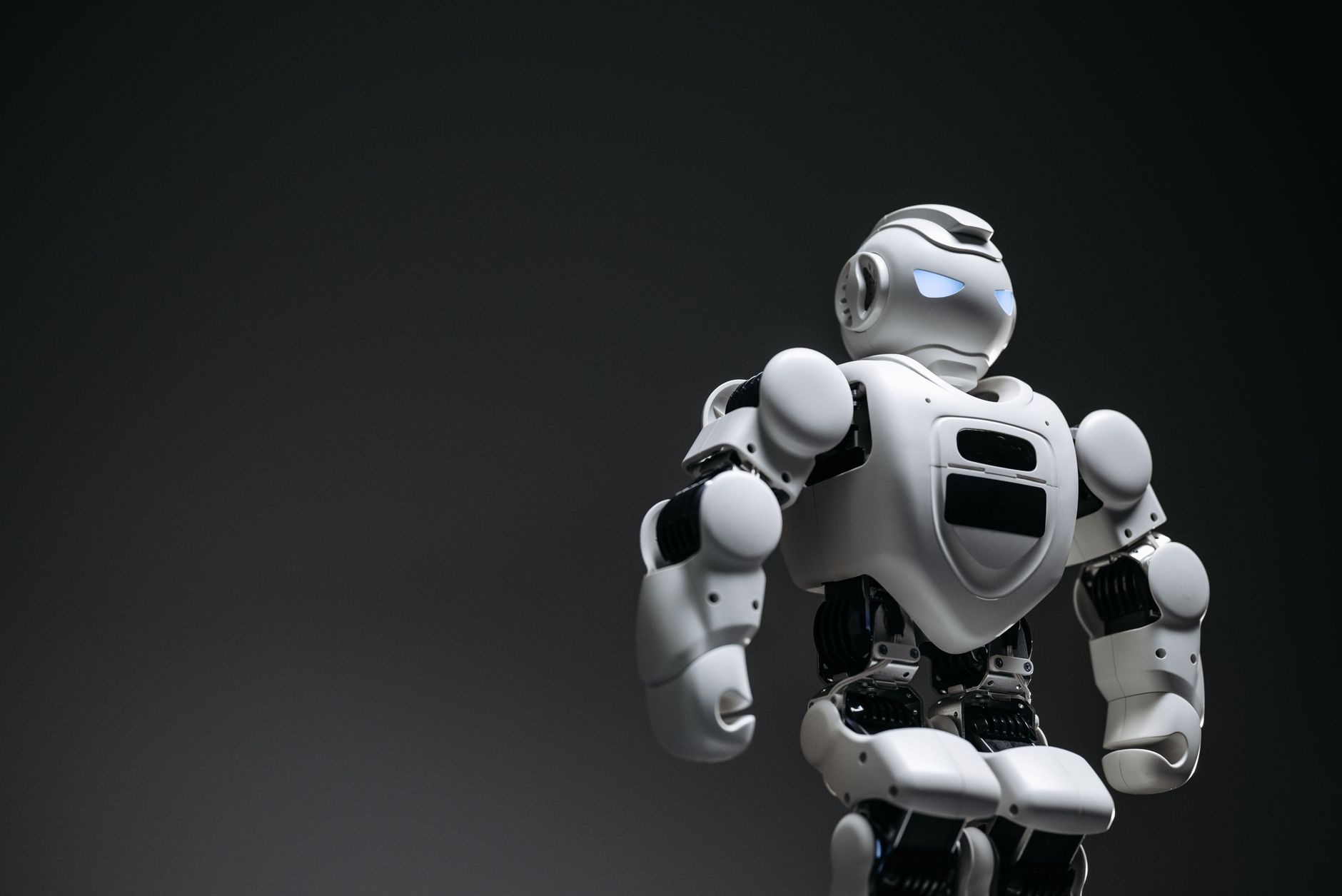
Generative AI models are, at their physical core, stacks of specialized memory chips – and Samsung has been betting heavily that demand for those chips would keep climbing. The company’s semiconductor campus in Pyeongtaek, south of Seoul, now operates three fabrication plants around the clock, with a fourth coming online and a fifth under active construction. The scale is difficult to overstate: thousands of workers on site, running shifts continuously, all to manufacture the high-bandwidth memory that large AI models require to function.
The Pyeongtaek campus story, reported by MIT Technology Review’s Michelle Kim for the magazine’s “Impossible” print edition, reads as a portrait of industrial confidence – the kind of long-horizon capital commitment that doesn’t get reversed after a bad day on the Nasdaq. Samsung didn’t build five fabs on a hunch that the AI wave might last a few quarters. These facilities take years to plan, permit, and construct, and they reflect a calculation that memory chip demand will remain structurally high regardless of short-term sentiment swings.
What makes this week’s market drop particularly worth watching is that it happened alongside – not because of – any fundamental change in how AI systems actually perform. The fear driving the sell-off centers on whether AI revenue can eventually justify AI infrastructure spending, a question that remains genuinely open. The economics of enterprise AI haven’t resolved cleanly for most companies, and investors appear to be recalibrating how long they’re willing to wait.
A Robot That Still Needs a Human, and Lawmakers Who Want a Pause
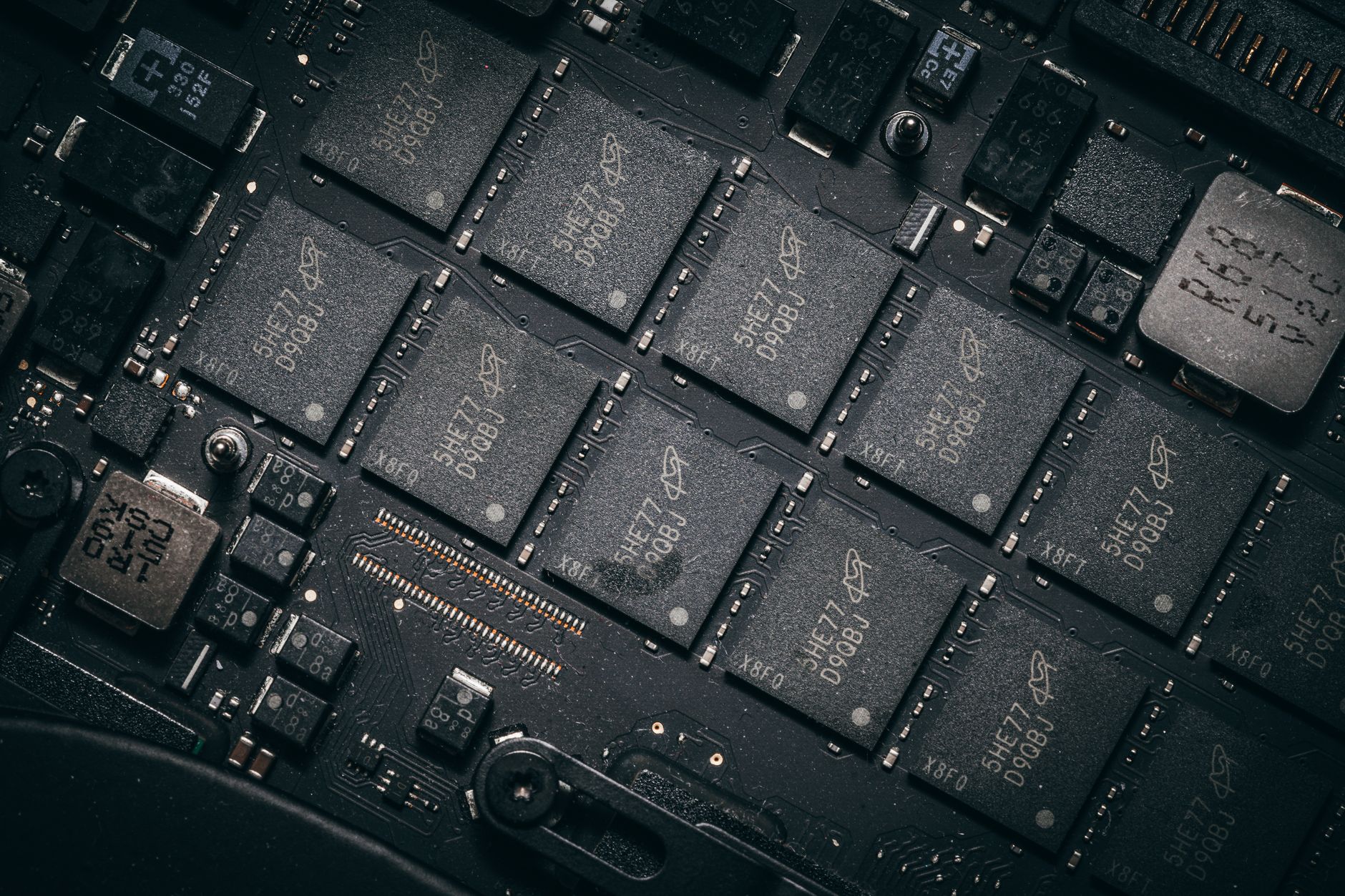
Meanwhile, on a smaller and stranger stage, writer Grace Huckins signed up for a waitlist after spotting a social media post about a humanoid robot cleaning service operating in San Francisco. The robot that showed up at her apartment belongs to Tau Robotics, a local startup. Tau’s stated long-term goal is fully autonomous domestic cleaning, but the current product is not that – humans pilot these machines remotely, watching through onboard cameras as the robot navigates real living spaces. Unexpected problems arose during the visit. Some things went better than expected. The honest assessment, by Huckins’s account, is that fully autonomous domestic robots remain a future-tense proposition.
The Tau Robotics story and the Samsung campus story are, in a roundabout way, about the same underlying problem: AI systems still require enormous human scaffolding to function in physical reality. The robots need remote operators. The chips need thousands of human workers building the fabs. The models need researchers guiding recursive self-improvement – a process Anthropic is apparently accelerating, with researchers reporting that Claude is now helping train its own successors at nearly twice the previous rate, though the same researchers note that meaningful recursive self-improvement will still take significant time.
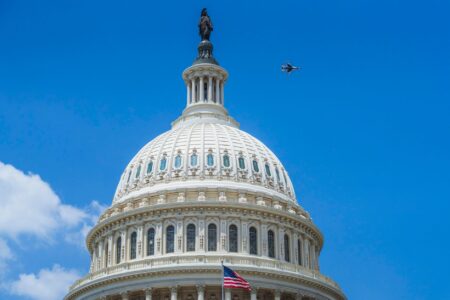
On Capitol Hill, that timeline is becoming a political variable. Emboldened Democrats are preparing to haul tech CEOs before Congress, and Representative Yassamin Ansari has announced plans to push for a pause on advanced AI development. Bernie Sanders has called for a national moratorium on new data center construction. The political backlash has grown pointed enough that it’s being cited as a factor that could delay Anthropic’s IPO. Data centers, it turns out, face resistance at every level – financial markets skeptical of the returns, politicians skeptical of the concentration of power, and local communities that simply don’t want one next door.
Everything Else the Week Produced
Away from AI, there were active volcanoes potentially detected on Mars, boosting the theoretical odds of finding life there. A new analysis placed the economic value of Covid vaccines at up to $64 trillion – roughly double previous estimates. The US government issued a warning about an ongoing cyber threat targeting commercial refrigeration systems, with Russia denying involvement. NASA unveiled the X-70, a classified experimental aircraft expected to fly within two years. Elon Musk signaled the end of Cybertruck production in Texas, with wind-down expected next year. And 7,000 users of the app RunPee signed up specifically because of the runtime of the film You Can See Everything – suggesting that three-hour movies have created a genuine market for bathroom-break timing software.
The AI stock sell-off spreading from New York to Tokyo to London, Samsung pouring the foundations of a fifth semiconductor plant, a remotely piloted humanoid pushing a mop through a San Francisco apartment – all of it happening in the same week that Anthropic’s Claude was quietly accelerating the training of its own replacement, still supervised, still constrained, but moving faster than it was six months ago.