


A Divided Government Resets the Energy Equation
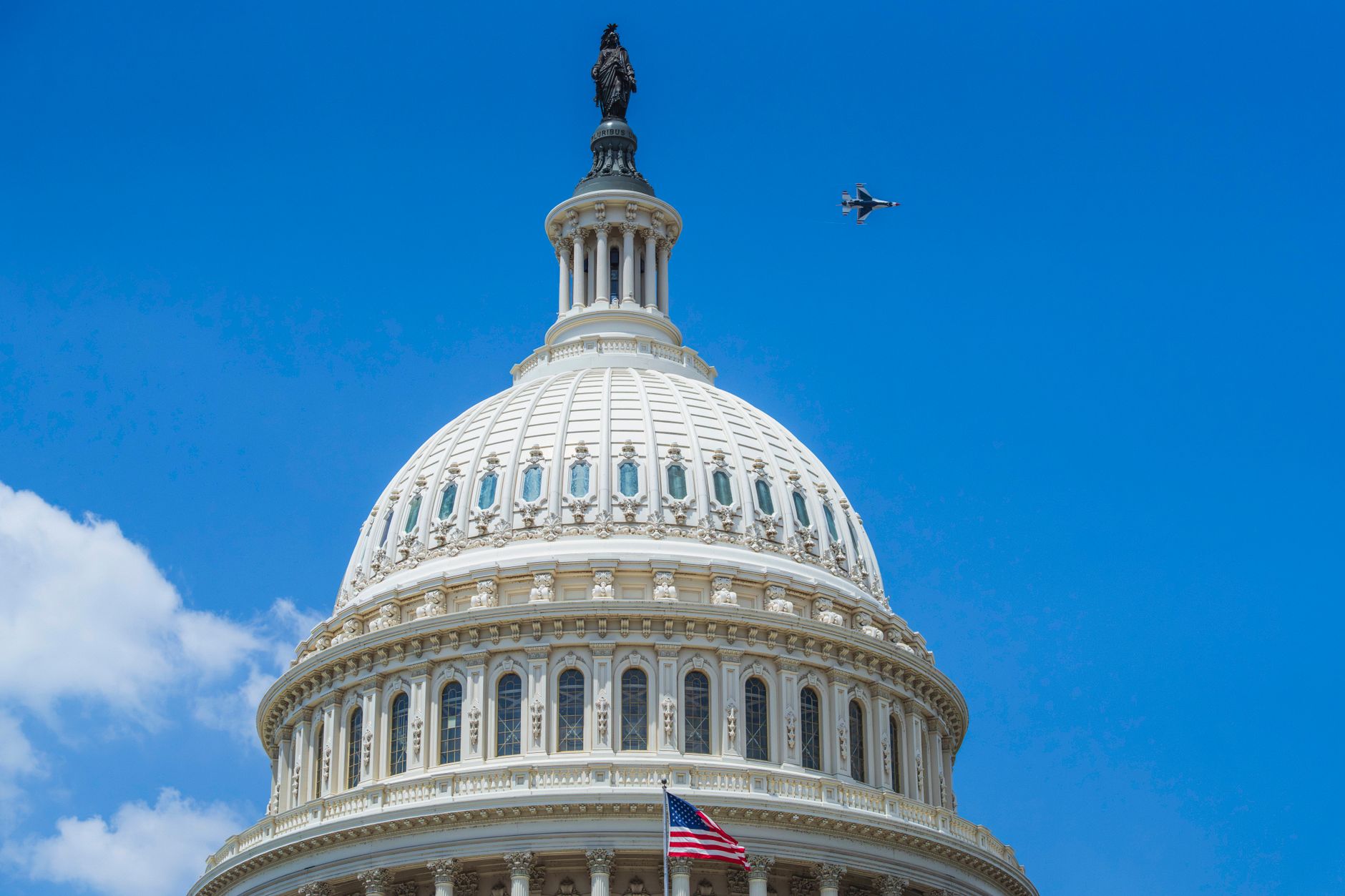
Democrats flipped both the House and Senate in the 2026 midterm elections – a sharp reversal from Donald Trump’s 2024 victory – but the structural math of divided government means sweeping federal energy legislation is essentially off the table for the next two years.
What Changed, What Didn’t, and Why the Veto Math Matters
To understand what this election actually means for energy and climate policy, it helps to trace the legislative whiplash of the past four years. The 2022 Inflation Reduction Act deployed massive federal support for clean energy through tax credits, government grants, and direct loans – the largest federal climate investment in US history. Then in 2025, the One Big Beautiful Bill Act systematically dismantled much of that framework, stripping away financial incentives the IRA had put in place. Both laws had one structural feature in common: they were passed when a single party controlled the Senate, House, and presidency simultaneously.
That unified-control window is now closed. Democrats hold congressional majorities, but Donald Trump remains in the White House – and neither chamber is close to the two-thirds Democratic majority required to override a presidential veto. That threshold is the central fact shaping what any new energy legislation can realistically look like. If Congress assembles a bill to restore clean energy incentives or expand climate programs, Trump has to sign it. That is a narrow gate.
The practical result is a legislative environment defined by constraint rather than ambition. Democrats can shape hearings, control committee agendas, and push investigative pressure – but they cannot unilaterally write energy law. Any deal that actually reaches the president’s desk will need Republican co-sponsors and White House buy-in, pulling any final legislation well short of what the Democratic base is pushing for.
One early test of that bipartisan theory arrives on November 9, when the Senate is scheduled to vote on the Bipartisan American Affordability and Jobs Act before the new Congress is seated in January. The bill, introduced in late September by a cross-party group of senators, would overhaul how new energy projects are reviewed and approved, cutting procedural red tape and accelerating permitting timelines. The White House has expressed support. Passage in the Senate would require only a handful of Democrats to join the existing Republican majority – which, before the election, seemed achievable. Now, Democratic leadership may choose to hold off until next year and attempt to renegotiate from a stronger congressional position, though any revised deal still runs through Trump.
Congressional Oversight, State Power, and the Data Center Backlash
Even without the ability to pass sweeping legislation, Democratic control of Congress gives the party significant oversight tools. Democratic leaders have already flagged plans to scrutinize EPA Commissioner Lee Zeldin directly – specifically targeting staff reductions and cuts to environmental investments made under his leadership. With committee gavels, Democrats can subpoena cabinet officials, open formal investigations, and use public hearings to build political pressure on the administration’s environmental record. That is a different kind of power than legislating, but it is not trivial.
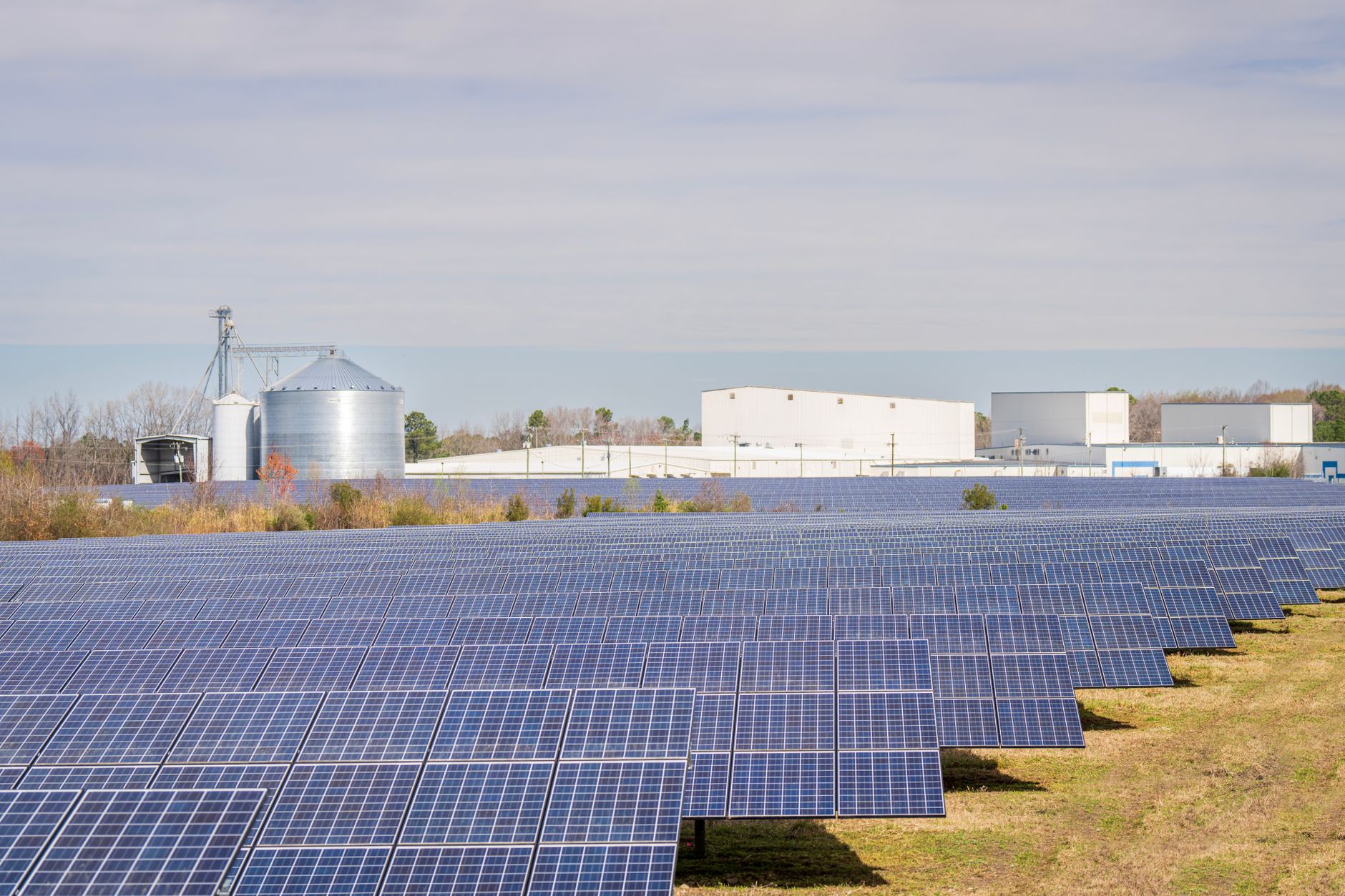
The midterms produced results at the state level that may ultimately move faster than anything happening in Washington. Democrats swept local control in Pennsylvania, where officials have already signaled intent to advance renewable energy projects and reduce greenhouse-gas emissions at the state level. More striking: Democrats took control of the Georgia Public Service Commission for the first time in 30 years. That body regulates electric utilities in the state, which means it has direct authority over how the grid expands – what gets built, where, and on what timeline. Control of a utility regulator in a major Sun Belt state carries real consequence for energy infrastructure decisions that will compound over decades.
The most direct intersection between these election results and the technology industry involves data centers – and the outcome is a significant constraint. According to Ballotpedia tracking, 41 local ballot questions related to data center development appeared across the country. Voters chose to restrict development on nearly every single one of them. Data centers have become a flashpoint in communities across the US as AI infrastructure buildout accelerates demand for land, water, and electricity. The intersection of AI infrastructure, energy consumption, and political opposition has been building for months; these ballot results suggest local resistance has hardened into a durable political force.
For the data center industry, the implications reach beyond any single jurisdiction. A near-sweep of 41 local restriction measures is a coordinated political signal – communities are pushing back against the siting, power consumption, and water use that large-scale AI infrastructure requires. That is a material constraint on where and how fast the industry can build. Developers who have been banking on relatively frictionless local approval processes will need to recalibrate. Zoning fights, ballot measures, and utility commission proceedings are now a standard part of the development timeline in a way they were not three years ago.
At the federal level, divided government likely means energy permitting reform – the one area with genuine bipartisan traction – becomes a prolonged negotiation rather than a quick win. Democrats have leverage they didn’t have before November 4. Republicans and the White House want permitting speed for a broad range of energy projects, including fossil fuels. Democrats want that same speed applied selectively to clean energy. Finding language both sides can accept, in a political environment this charged, is a problem that tends to outlast its own deadlines.

The Gap Between Federal Gridlock and Local Momentum
What the midterm results produce, in practical terms, is a split-screen energy landscape: federal policy largely frozen in a veto-and-oversight standoff, while state commissions, local governments, and ballot initiatives carry the actual weight of near-term decision-making. Pennsylvania and Georgia are early examples, but the pattern – state-level Democratic gains translating into concrete regulatory authority over grids and utilities – is likely to repeat across the next two years as more states hold their own elections and commission appointments.
The 41 data center ballot measures are a preview of how that local power gets exercised. Somewhere in the gap between AI industry demand for electricity and the communities that host the infrastructure supplying it, the terms of the next energy buildout are being negotiated – not in committee rooms on Capitol Hill, but in county zoning boards, state utility hearings, and referendums that most national political coverage barely registers. Georgia’s Public Service Commission just changed hands for the first time since 1996. What it approves or denies over the next four years will shape the Southern grid in ways no federal bill currently has the votes to touch.