



House Foreign Affairs Chair Brian Mast says a hearing featuring Jensen Huang will take place before Thanksgiving. That is the full extent of what has been made public: a name, a committee, and a deadline measured in a few weeks.
Engadget’s headline calls Huang the “ex-NVIDIA CEO,” but the short item behind it doesn’t explain why. Huang co-founded the company and is the executive most closely tied to its rise, so the label deserves a flag. Until more detail emerges, the timing of the hearing is the only firm news here, and the rest of this piece is about what that timing does and doesn’t tell us.
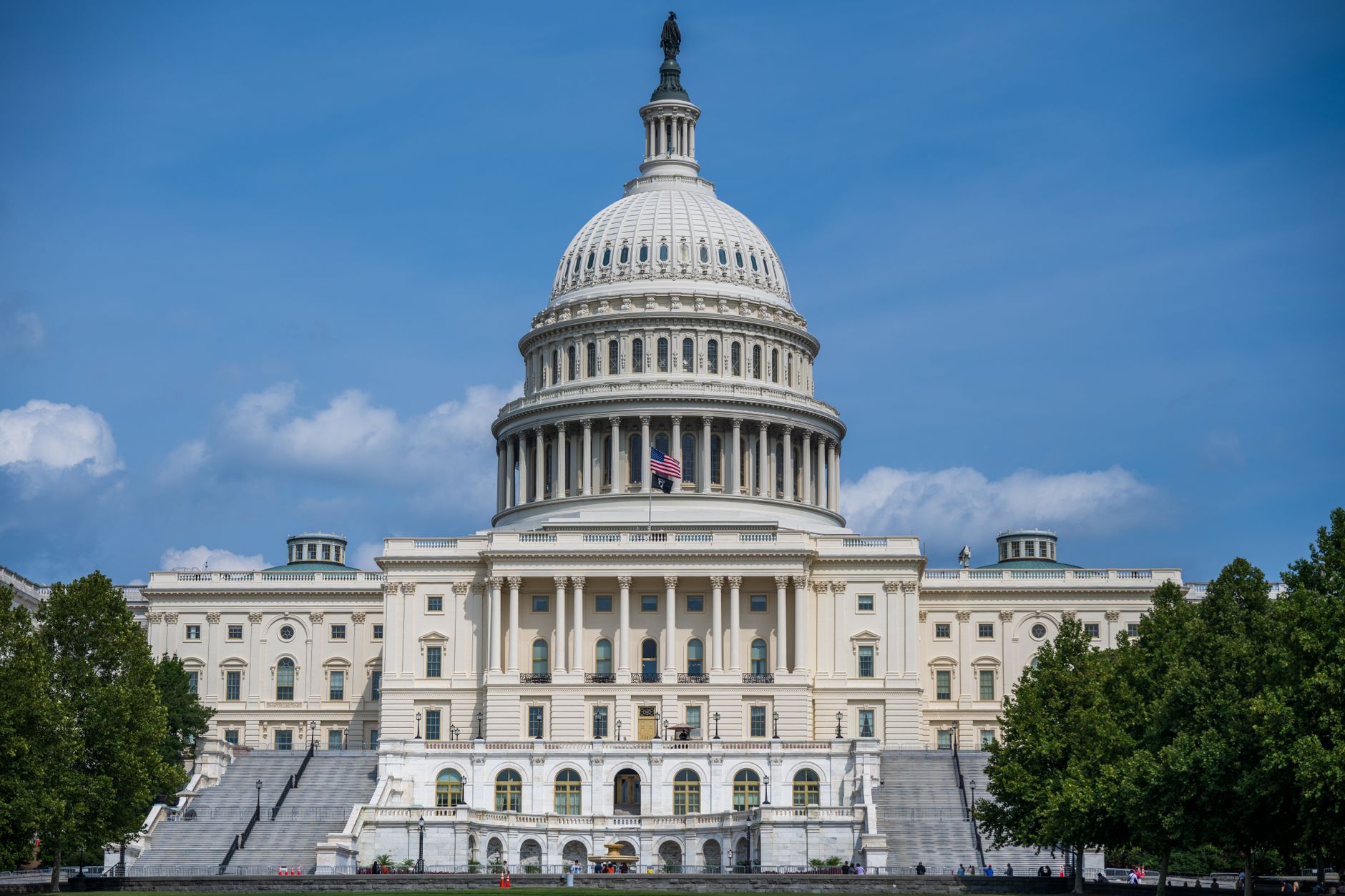
A chairman sets the clock
When a committee chair says a hearing will happen by a certain date, he is announcing a scheduling intention, not publishing a witness list or an agenda. Mast’s statement fixes an outer limit, the Thanksgiving break, and names one person he wants in the room. It does not name a day, a room, or a line of questioning.
The choice of committee carries its own signal. House Foreign Affairs oversees US foreign policy, and that remit includes export controls on sensitive technology. A hearing under that gavel is likely to center on the international side of NVIDIA’s business: where its chips go, who can buy them, and how Washington decides. That is an inference from the committee’s jurisdiction. The source material does not list the topics.
Chairs also set deadlines in public for practical reasons. A stated date makes it harder for a witness’s schedule to slip quietly, and it puts the announcement on the record before the congressional calendar fills up. For a company whose products sit at the center of the AI buildout, a public hearing is also a rare moment when its leadership answers questions outside an earnings call or a keynote stage.
What nobody has confirmed
The open items are not small. There is no confirmed date, and the source gives no hint of whether Huang will appear voluntarily, whether the session will be open to the public, or whether other witnesses will share the panel. A “hearing with” a named executive can mean a single-witness session or one of several, and the format changes how much a viewer learns.
The description of Huang as a former CEO is the other loose thread. If his role has changed, the capacity in which he testifies matters, since an executive speaking for a company and one speaking for himself are not the same witness. The source doesn’t resolve that, and guessing would only add noise.
Why a gadget shopper should pay attention
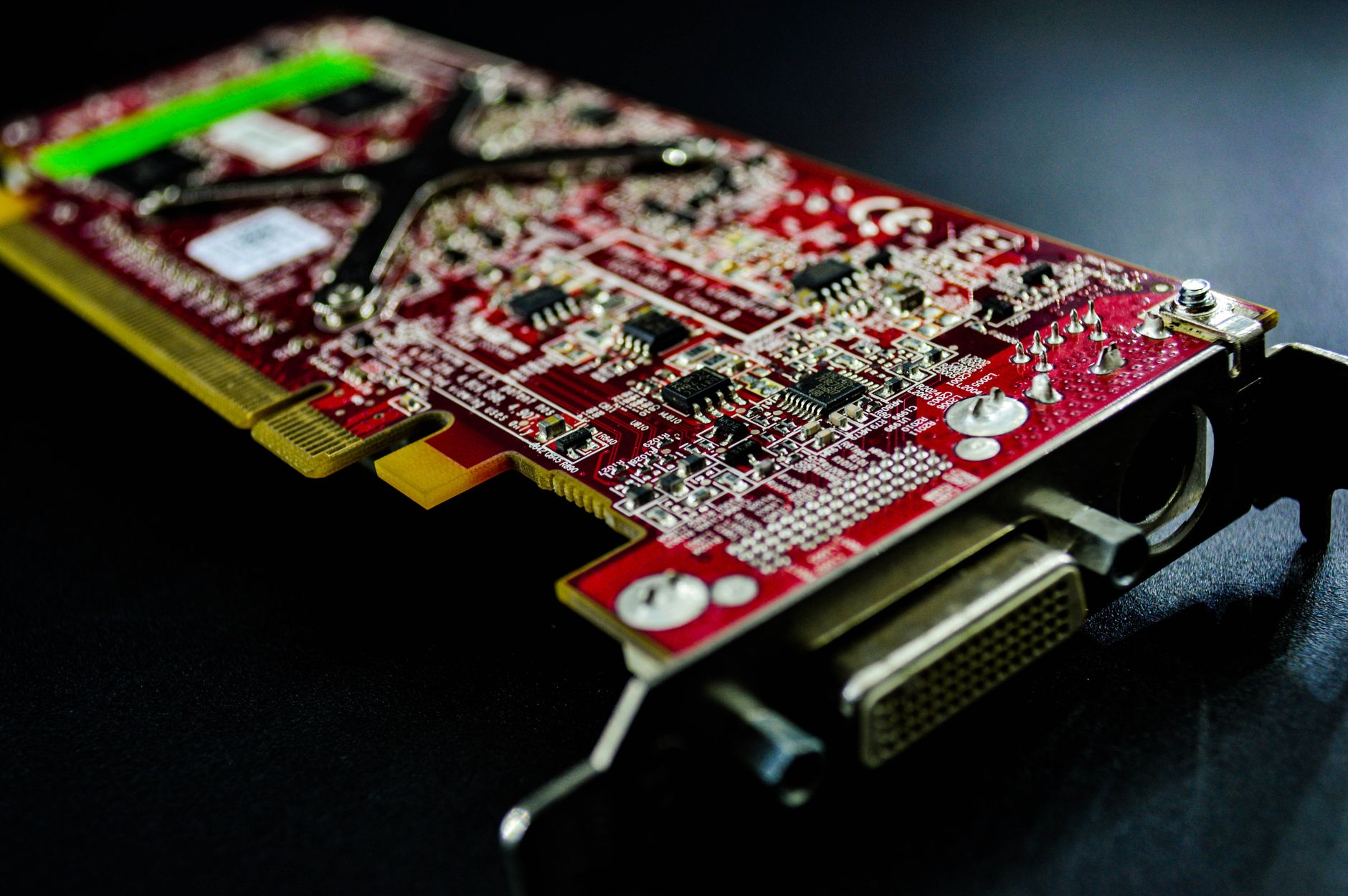
It is easy to file this under Washington news and move on. But NVIDIA is not a distant enterprise vendor. Its graphics processors power gaming desktops and laptops, and its silicon sits inside consumer hardware as well as the data-center servers that run the AI services people now use on their phones. A policy fight over where its most advanced chips can be sold touches the same company that decides how much attention consumer products get.
Export rules shape manufacturing and sales decisions. When governments limit which chips can ship to which markets, companies tend to design alternative versions, reroute supply, or reprioritize product lines. Whether any of that changes what lands on retail shelves is a separate question, and nothing in the announcement answers it. What can be said is that the hearing gives lawmakers a chance to ask the person best placed to explain those trade-offs.
For readers who follow hardware closely, a few things are worth watching once the date is set:
- The witness list: whether Huang appears alone or alongside government officials or industry peers.
- The framing of the invitation: whether the committee describes the session as oversight of export policy or as something broader.
- Huang’s stated title: how he is introduced in the official notice, which would settle the “ex-CEO” question.
- Any prepared testimony: written statements are usually posted before or at the hearing and tend to carry more detail than the live exchange.
Written testimony is often the most useful artifact. Live hearings can drift into speeches and procedural back-and-forth, while a prepared statement lays out what a company wants on the record. If NVIDIA submits one, it will be the closest thing to a direct account of how the company views the rules governing its products.

Mast has promised a hearing before Thanksgiving, and the calendar is short. He hasn’t said which day it will be, and he hasn’t said what he intends to ask.