


A Foldable Gets a One-Handed Lifeline
Apple’s iPhone Duo – the company’s foldable iPhone – has picked up a notable addition in the iOS 27.3 beta: Reachability, the accessibility feature that pulls the top half of the screen downward so fingers can reach content without shifting grip or using a second hand. It is a small change in concept, but on a device with a larger, unfolded display surface, the practical difference is considerable.
The feature has lived on standard iPhones for years, arriving originally as a response to screen sizes growing past what a single thumb could comfortably cover. Bringing it to the Duo acknowledges something Apple has not always said out loud – foldables create a fresh version of that exact problem, just at a different scale.

What Reachability Actually Does on a Foldable
On a conventional iPhone, Reachability is triggered with a swipe gesture at the bottom edge of the screen, sliding the entire interface down so the upper corners fall within thumb range. The feature debuted when Apple moved to larger displays and found that many users were struggling to tap notifications, back buttons, and status bar items without readjusting their hold. On smaller phones, most people ignore it entirely. On the Duo’s unfolded panel, those upper-corner targets are genuinely far from where a thumb naturally rests.
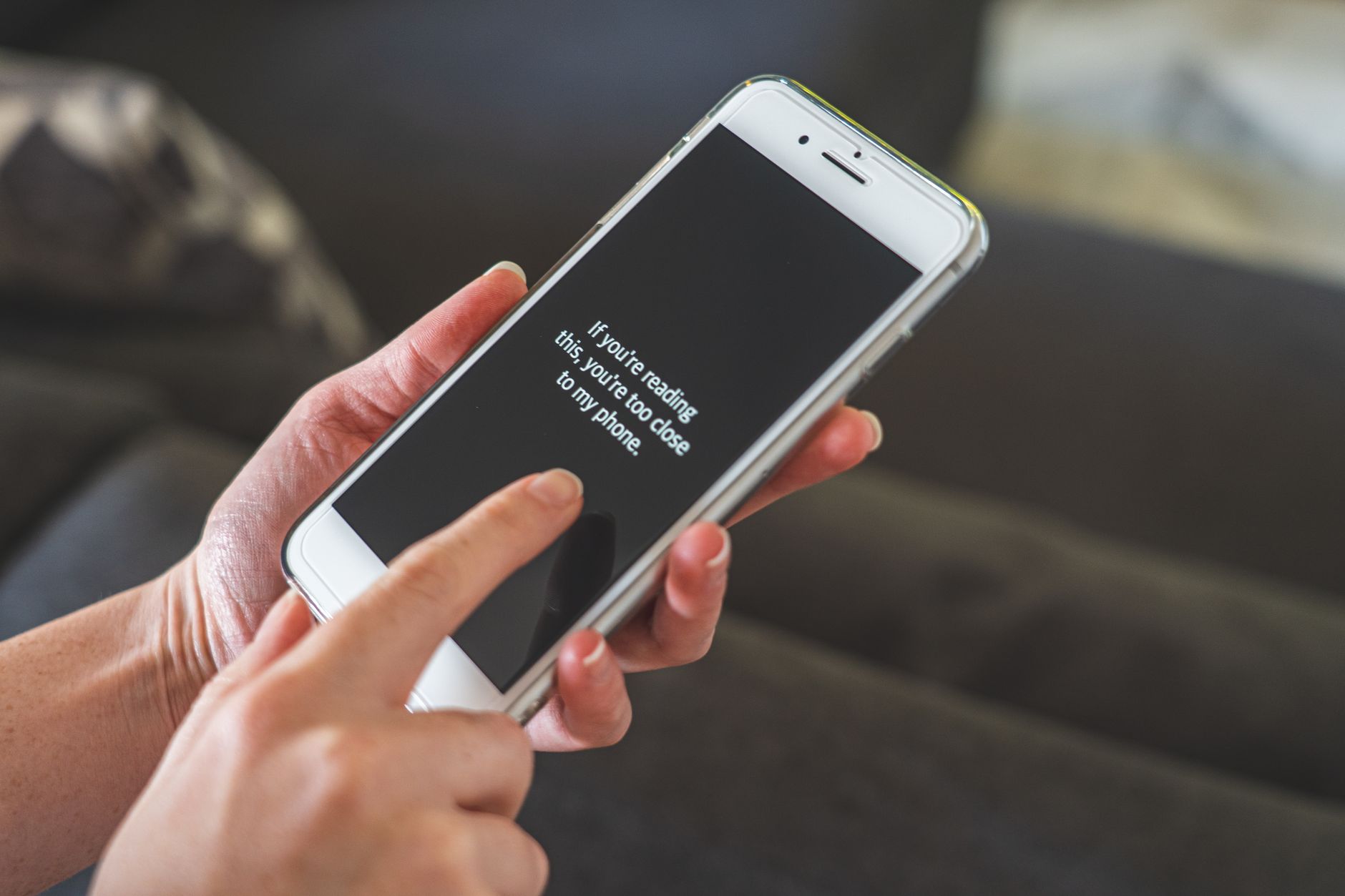
Foldables are, almost by definition, awkward in one hand. The hinge adds weight toward the center, the display is wider than a standard smartphone, and the aspect ratio when unfolded does not favor single-handed use. Reachability does not eliminate that awkwardness, but it means a user checking a notification or tapping a back arrow does not have to close the device, switch hands, or perform a minor contortion to do it.
Apple has consistently framed Reachability as an accessibility tool rather than a standard UX feature, which is why it ships off by default and lives inside Settings under Accessibility. That framing matters for the Duo specifically, because it signals Apple is treating the one-handed difficulty of a foldable as a problem worth addressing through the same infrastructure used for motor-accessibility accommodations – not just a quirk users are expected to manage on their own.
Beta Timing and What It Suggests
The addition is appearing in the iOS 27.3 beta, meaning it has not yet shipped in a public release. Beta software cycles on the iPhone Duo have drawn attention because the device is still relatively new hardware, and each update gives developers and early adopters a clearer picture of where Apple sees the product going. A feature showing up in beta is not a guarantee of final release, though Reachability is functional enough elsewhere in iOS that a last-minute cut seems unlikely.
Beta cycles also tend to surface features that Apple did not announce at launch – sometimes because they were not ready, sometimes because they were considered lower priority than headline additions. Reachability on the Duo fits that second category: it is not a marketing moment, it is a usability correction.
Reading the Broader Product Signal
Apple does not add accessibility features to a device it considers a one-generation experiment. Reachability on the Duo is a maintenance investment – the kind of work that only makes sense if the platform is expected to persist. The engineering required to adapt the feature to a foldable display geometry, with its different aspect ratios in folded and unfolded states, is not trivial. Someone had to decide it was worth doing.
That decision sits alongside other quiet signs that Apple is treating the foldable category seriously. Software refinements rarely generate headlines, but they accumulate into a device that works consistently rather than one that works impressively in a demo and frustrates in daily use. The Duo’s early reception was positive on hardware grounds; software like this is what determines whether that reception holds up at six months and twelve months of ownership.
One-handed phone use is also not a niche behavior. Commuters, parents, anyone carrying something in their other hand – a large portion of smartphone interactions happen with one hand regardless of what device is involved. Foldables have faced consistent criticism for being fundamentally two-handed devices. Apple is not solving that with a swipe gesture, but it is narrowing the gap.
What remains to be seen is whether Apple extends Reachability to the Duo’s folded state as well, where the external display is smaller but still used for quick interactions. The iOS 27.3 beta makes no mention of that configuration – which is either an oversight, a future update, or a sign that Apple considers the external screen small enough to not need it.
The beta is still in testing, and the Reachability implementation on the Duo could change before iOS 27.3 ships publicly. For now, it works – and on a device where reaching the top of the screen genuinely requires effort, that is enough to matter.