


When the Tools to Rebuild Are the Target
South Lebanon’s recovery from recent conflict has stalled not because of a shortage of willingness or funds, but because the physical machinery required to do the work keeps getting destroyed. Israeli strikes have targeted construction equipment across the region, along with water infrastructure that displaced families depend on to return home. Without excavators, cranes, and functional water systems, reconstruction cannot begin – and without reconstruction, tens of thousands of people remain cut off from the towns and villages they left behind.
This is not simply a humanitarian story. The deliberate or incidental destruction of construction equipment and water infrastructure represents a specific kind of pressure on civilian recovery – one that operates through logistics and engineering rather than through direct displacement alone. The result is the same: people cannot go back.
Infrastructure as a Pressure Point
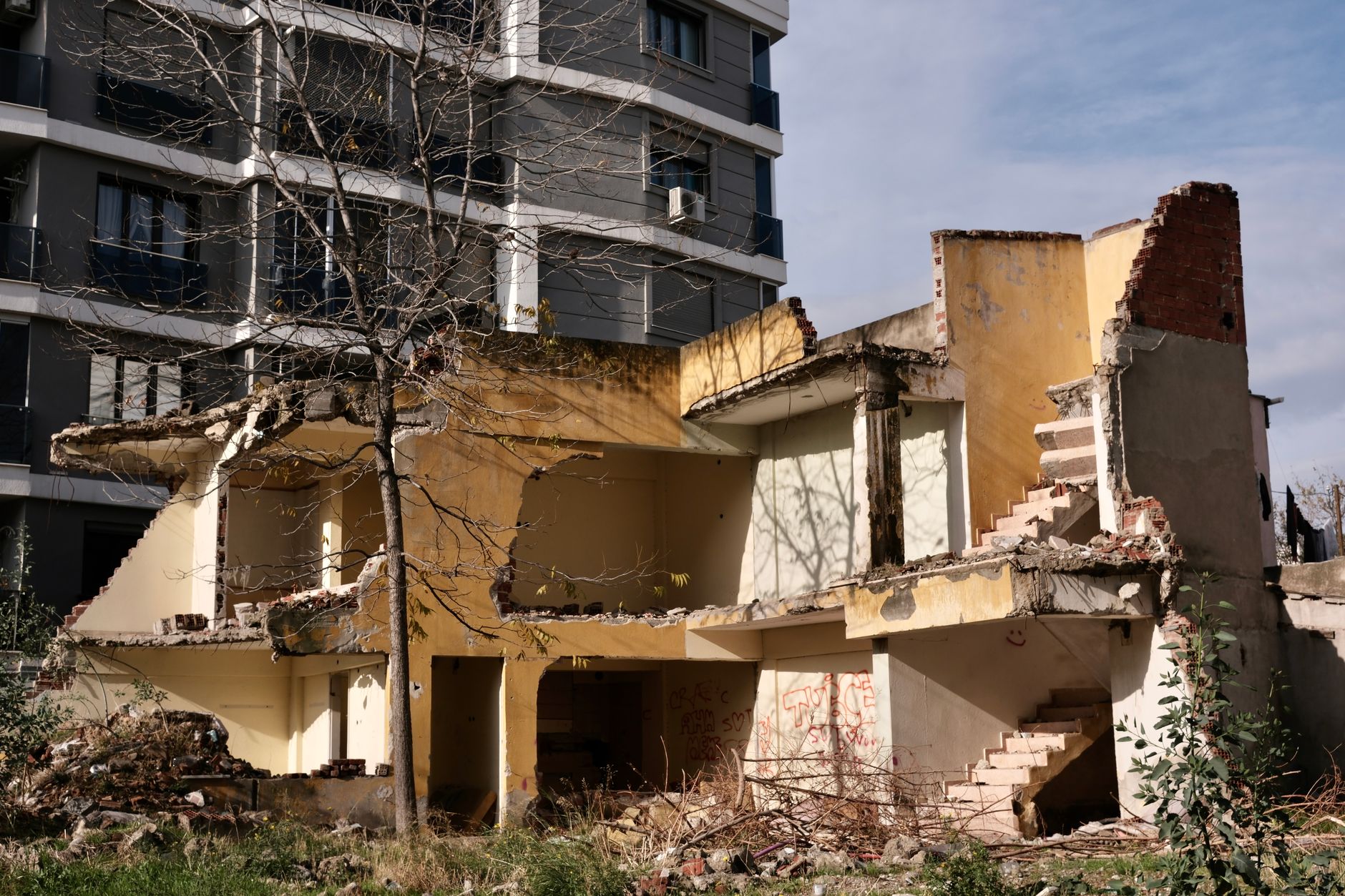
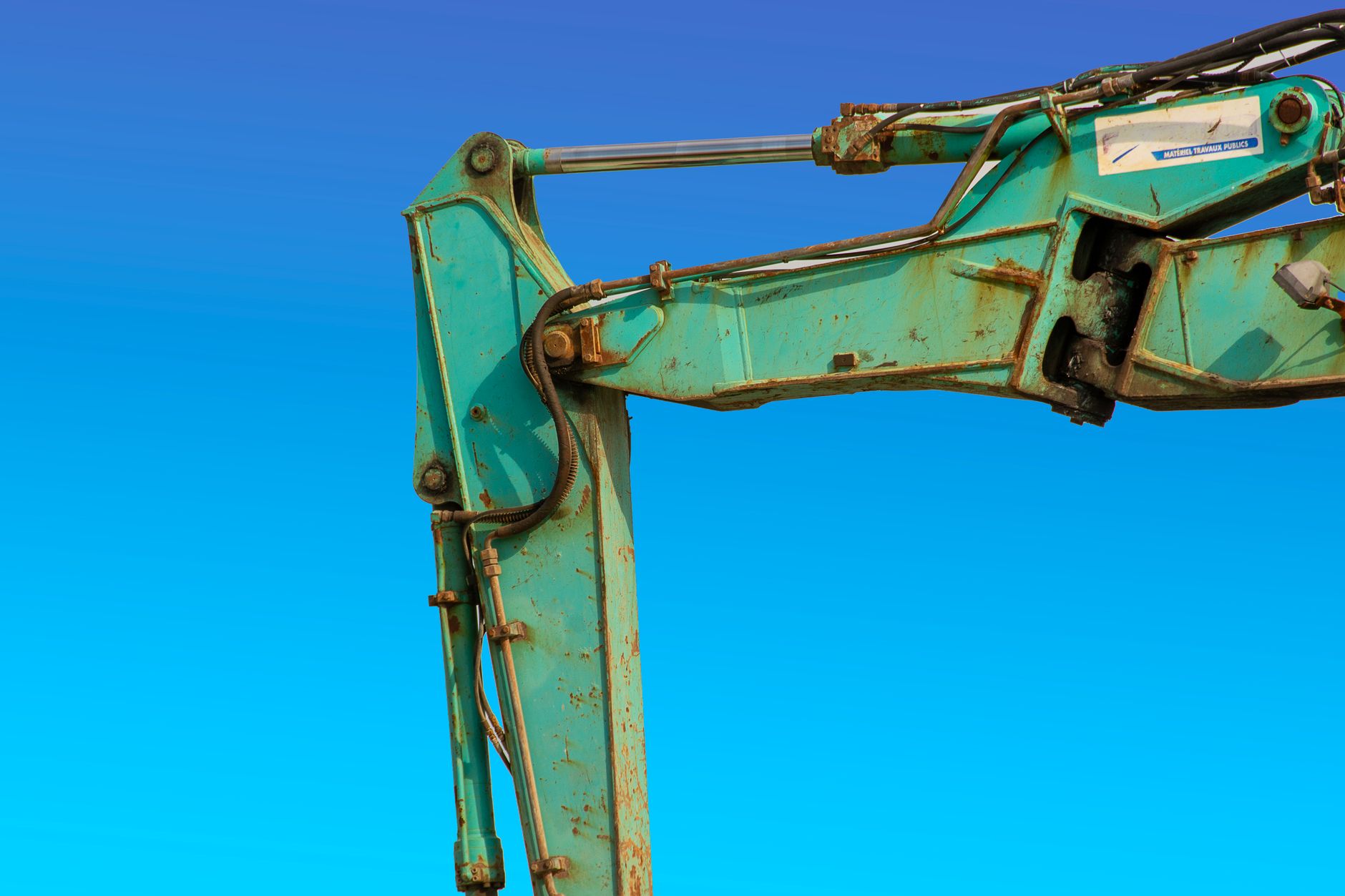
Construction machinery is not a glamorous subject, but its absence shapes everything. Bulldozers clear rubble. Excavators dig foundations. Cranes lift materials into place. When those machines are struck and disabled, the physical work of rebuilding a home, a road, or a water treatment facility cannot happen by hand at any meaningful scale. South Lebanon’s towns – many already damaged by previous rounds of conflict – require this equipment at the very beginning of recovery, not somewhere in the middle of it.
Water infrastructure compounds the problem in a different direction. Families weighing whether to return home make that calculation based on livability, and livable means, at minimum, running water. Israeli strikes on water systems in South Lebanon have removed that baseline. Even if a building is structurally sound, a neighborhood without water supply is not somewhere a family with children will settle back into, particularly when the alternative is remaining displaced in a location that at least has functioning utilities.
The Machinery Gap and What It Actually Means
The loss of construction equipment in a post-conflict zone carries a multiplying effect. Each machine that is destroyed or rendered inoperable represents not just one project stalled, but a queue of work that cannot begin. South Lebanon does not have an excess of heavy construction equipment sitting in reserve. The regional market for this machinery is finite, importing replacement units takes time and money, and the operators who know how to run them are often among the displaced themselves.
Recovery timelines in conflict-affected regions are notoriously difficult to compress. What looks like a six-month rebuilding window on paper stretches to years when supply chains for materials are disrupted, skilled labor is scattered, and the fundamental tools of construction are not available. South Lebanon is now operating inside that extended timeline – and the strikes on construction equipment are a direct contributor to why.
There is also a financial dimension that tends to get overlooked in coverage focused on the immediate damage. Construction equipment is extraordinarily expensive. A single mid-range excavator costs hundreds of thousands of dollars. Contractors and small operators who owned that equipment outright – sometimes after years of payments – have lost capital assets they may never recover. That loss does not just delay one project. It potentially ends a business, reduces the number of contractors available in the region, and tightens the already constrained capacity to rebuild.
The displacement itself creates a secondary economic drag. Families who cannot return are not spending in local markets, not restarting small businesses, not paying rent into a local property economy. South Lebanon’s towns remain economically dormant while the people who would animate them are stuck elsewhere, waiting for conditions that the destruction of construction machinery and water systems has made structurally impossible to meet in the near term.
Water Systems and the Longer Damage
Water infrastructure takes a particular kind of time to repair. Pipes, pumps, treatment facilities, and the electrical systems that run them are interconnected in ways that mean damage to one component cascades into the dysfunction of others. Fixing a water network is not a linear process – it requires assessment, parts procurement, sequenced repair, and testing before the system can safely serve residents again. Israeli strikes on this infrastructure in South Lebanon have reset that clock to zero in affected areas, and the clock does not run fast under these conditions.
The consequences extend beyond immediate thirst or sanitation risk. Contaminated or absent water supply creates public health conditions that themselves become barriers to return. If the water isn’t safe, schools don’t reopen, clinics don’t function at full capacity, and the social infrastructure that makes a community viable stays offline. Rebuilding a house in a neighborhood where water is unavailable means rebuilding into a situation that remains unlivable – and most families understand that arithmetic well enough to stay away.
Displaced Families and the Waiting Period With No Visible End
The families displaced from South Lebanon are not waiting passively. They are making constant, recalculated decisions about when and whether to return. Those decisions are shaped by real conditions on the ground: Can I get to my town? Is the road passable? Is my building standing? Is there water? Is there anyone who can help me clear the rubble and begin repairs? Israeli strikes on construction equipment and water infrastructure have systematically pushed the answers to those last two questions toward no.

What keeps this situation from resolving is not a single dramatic barrier but an accumulation of practical ones. The machinery is gone. The water is not running. The contractors who would do the work have lost their tools and may have relocated. Replacement equipment has to come from somewhere. Funding for that equipment has to be secured, allocated, and disbursed through whatever channels still function. Each of those steps takes time, and they have to happen in sequence. Meanwhile, the families remain displaced – not because no one is trying, but because the specific infrastructure of recovery has been destroyed before recovery could begin.
At what point does the absence of construction equipment stop being collateral damage and start being the mechanism itself?