


A new report finds that a digital community fixated on Columbine and similar attacks is promoting clothing modeled after what the perpetrators wore. The headline finding is about reach, not secrecy: this apparel can be bought almost anywhere online, not only in fringe corners of the internet.
The distinction matters. Merchandise “inspired by” a tragedy is one thing. Clothing designed to replicate garments worn during real attacks is another, because the item itself works as a reference, a costume, and a signal to other people who recognize it.
A Subculture With a Product Line
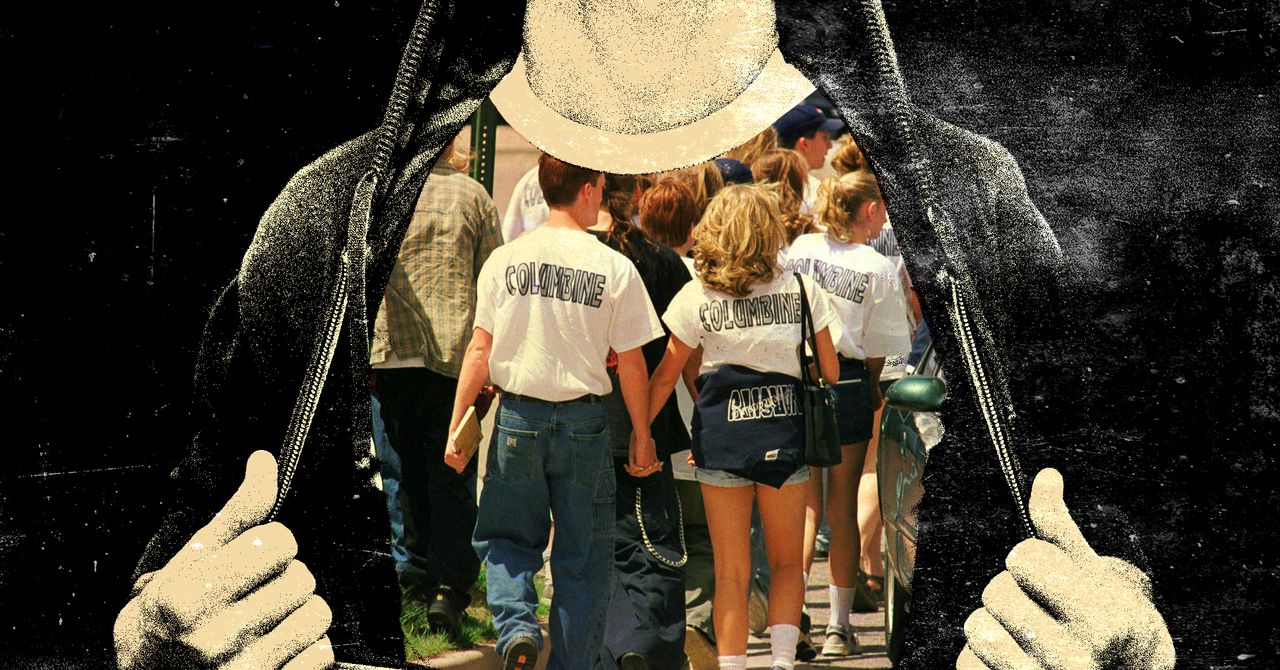
The report describes an online community obsessed with Columbine and attacks like it, and it finds that this community is actively promoting the apparel. That detail is the key one. Stray sellers uploading questionable designs would be a moderation problem. A community that steers its members toward particular products is closer to a supply chain with built-in marketing.
Columbine happened more than a quarter century ago, on April 20, 1999, in Colorado. The fixation on it has outlived the era of message boards and early web forums that first carried it. It now lives on the social platforms and storefronts of the present, and it has picked up a retail layer that earlier generations of the same obsession lacked.
Clothing suits that purpose. It is cheap to make, easy to ship, and wearable in public without explanation. To most people a shirt is just a shirt. To the community that recognizes the reference, it is a membership badge, and that double reading is what makes this category hard to police.
Why the Storefronts Miss It
Much of online apparel retail runs on automation. Print-on-demand services let a seller upload a design and list it without holding any inventory, and the item is only produced after someone orders it. Review, where it exists, tends to be light and happens at scale, with software scanning listings for prohibited terms and humans stepping in after a complaint.
That setup handles obvious violations better than coded ones. A keyword filter can catch a name or an explicit slogan. It struggles with a replica of a garment, a particular typeface, a date, or a phrase that means nothing to anyone outside the community. Sellers who know the filters exist can design around them, and buyers who know the code will find the products anyway.
Where Policy Meets Commerce
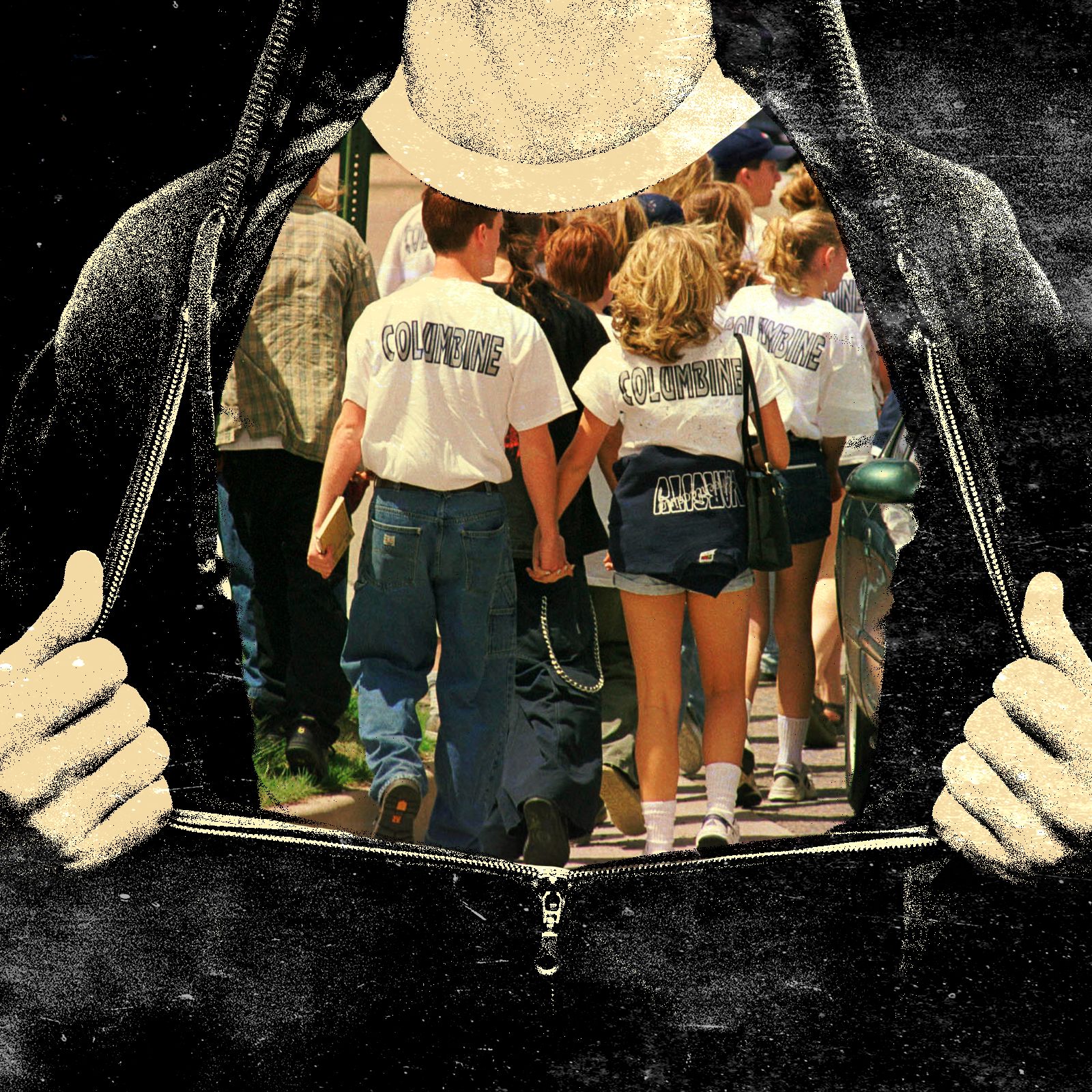
Selling a T-shirt is not, in itself, the sort of act the law usually reaches, so the practical lever here is platform policy rather than legislation. Most large marketplaces already ban content that glorifies violence. The report’s finding suggests that enforcement of those rules is uneven, and that the gap is wide enough for a whole category of product to sit in plain view.
There is also a long-standing concern about notoriety. Guidance on covering mass shootings has for years urged restraint in how attackers are named and portrayed, on the logic that fame is part of what draws imitators. Apparel that copies a perpetrator’s outfit does the opposite of restraint. It turns an attacker’s appearance into a style people can adopt.
The commercial layer adds something that a forum post does not. Merchandise gives the community income, visibility in search results, and a veneer of normalcy, since a product sitting on a mainstream storefront looks acceptable by default. A shopper, or a teenager browsing, may not register what the design refers to at all.

For the companies hosting these listings, the question is not whether they have a rule against glorifying violence. They do. It is whether anyone checks, and how many identical shirts reappear under new names after the first batch comes down?