


Measuring Ketosis Without a Blood Prick
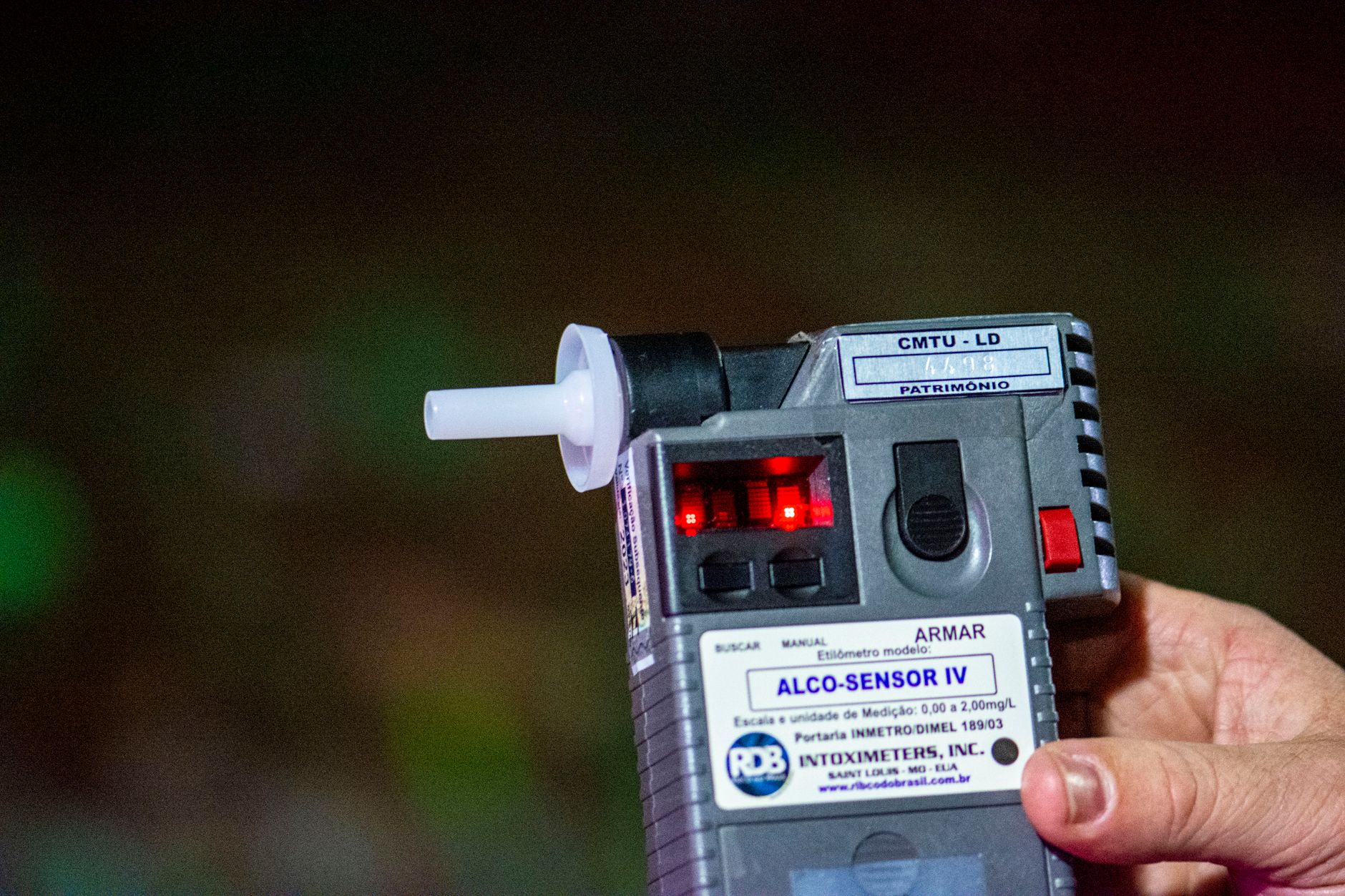
Scientists have developed a handheld breathalyzer that measures acetone levels in exhaled breath to determine whether the body is actively burning fat – a metabolic state known as ketosis. The device gives people a non-invasive way to track fat metabolism in real time, without blood strips, urine tests, or lab visits.
For anyone managing a ketogenic diet, monitoring fasting windows, or working with a clinician on metabolic health, that distinction matters more than it might first appear.
What the Device Actually Measures
When the body shifts from burning carbohydrates to burning fat, the liver produces ketone bodies as a byproduct. One of those ketones – acetone – is volatile enough to pass through the lungs and exit in breath. The concentration of acetone in exhaled air correlates directly with how deep into ketosis a person is, making breath analysis a scientifically sound proxy for fat-burning activity.
Traditional methods for confirming ketosis involve either a blood draw, which measures beta-hydroxybutyrate directly, or urine test strips, which detect acetoacetate. Both approaches have drawbacks: blood testing is invasive and expensive over time, while urine strips become less reliable as the body adapts to ketosis and excretes fewer ketones through urine. A breath-based device sidesteps both problems by targeting acetone directly at the source – the lungs – without puncturing skin or waiting for urine production.
The handheld form factor is the meaningful engineering achievement here. Breath acetone analyzers have existed in laboratory settings for years, but shrinking that detection capability into something portable enough to hold in one hand changes who can actually use it and when. A device you carry in a gym bag or keep on a kitchen counter gets used daily. A lab instrument does not.

Who This Is Actually Built For
The immediate audience is anyone following a ketogenic or low-carbohydrate diet who wants confirmation that their eating approach is producing the intended metabolic effect. Dietary ketosis is notoriously difficult to achieve through food choices alone without some form of feedback – many people eat what they believe is a keto-compliant diet and never actually enter ketosis, or drop out of it without realizing it after a single higher-carb meal.
Beyond personal diet tracking, the device has potential clinical relevance. Ketosis is medically induced in some epilepsy patients – particularly children – where the ketogenic diet functions as a seizure management protocol. Monitoring compliance and depth of ketosis in those patients currently requires more invasive methods. A breathalyzer that delivers the same information without blood draws could reduce the burden on both patients and caregivers.
The Broader Landscape of Metabolic Monitoring
Consumer interest in metabolic health tracking has grown sharply alongside the rise of continuous glucose monitors moving from clinical diabetes management into general wellness use. Companies like Levels and Nutrisense have built subscription businesses around CGM data for non-diabetic users, and the market has demonstrated that people will pay regularly for real-time metabolic feedback. A breath acetone device fits that same appetite for body data without requiring a sensor worn continuously on the arm.
Wearable and portable health devices have also become more analytically sophisticated. What started with step counters has expanded to heart rate variability, blood oxygen, skin temperature, and now electrochemical breath analysis. Each addition to that list has followed the same arc: clinical-grade measurement shrinks into a consumer-accessible package, accuracy debates follow, and then the category normalizes. Breath acetone monitoring appears to be entering that arc now.
The accuracy question will define whether this device earns lasting use or becomes a novelty. Breath acetone concentration can be influenced by factors beyond fat metabolism – alcohol consumption, certain medications, and even fasting duration can all affect readings. A device that can’t distinguish between these variables risks giving users misleading confidence about their metabolic state. The scientific credibility of breath acetone as a ketosis marker is established; the question is how tightly the handheld implementation can match that benchmark under real-world conditions rather than controlled laboratory settings.
Pricing, regulatory status, and availability details have not yet been published. What exists publicly is the underlying mechanism – acetone breath detection to confirm ketosis – and the physical format: handheld and portable. For a category where the existing options are either painful, messy, or expensive over time, those two facts alone are enough to make the device worth watching as it moves toward any potential commercial release.
Whether it lands in the hands of elite athletes fine-tuning metabolic performance or epilepsy patients checking dietary compliance between clinic visits, the acetone reading it produces is either accurate or it isn’t – and that answer won’t come from a press release.