



The Cable Hunt Is Over
Reaching behind a nightstand at midnight to find a charging cable is a small frustration that adds up fast. Wireless chargers have matured enough to eliminate that ritual entirely – not just for phones, but for earbuds and smartwatches too. After testing more than 100 stands and pads, the editors at WIRED have narrowed the field to a set of picks that actually deliver on that promise.
The category has expanded well beyond simple charging pads. Today’s market includes multi-device stands, travel-friendly flat pads, and dedicated docks built around specific ecosystems like Apple’s MagSafe. Choosing the wrong one means slower charging speeds, awkward device placement, or a charger that simply stops working with your next phone. The right one disappears into your routine.
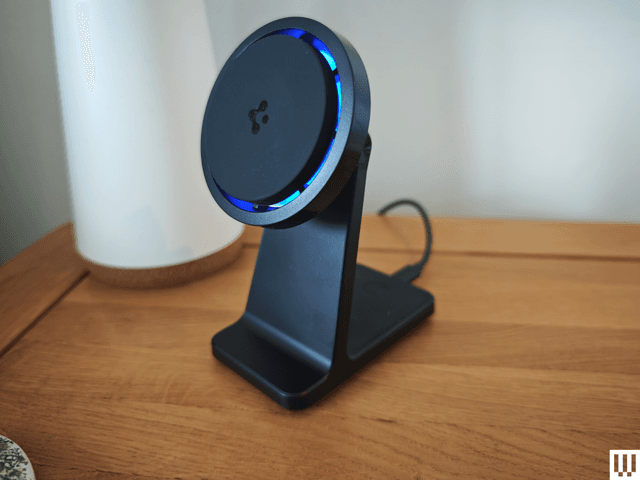
What 100-Plus Tests Actually Reveal
Testing wireless chargers at scale exposes patterns that a single review never could. Charging speed consistency matters more than peak wattage claims – a charger that advertises 15W but throttles after ten minutes is less useful than one that holds 10W steadily through a full charge cycle. Stand orientation versus flat-pad design also splits users cleanly: people who glance at notifications while charging prefer upright stands, while those who set it and sleep prefer a flat pad that accepts a phone dropped in any direction.
Compatibility is where many chargers quietly fail. A pad built for Android devices may charge an iPhone at reduced speeds, and older Qi-only chargers won’t take advantage of MagSafe’s magnetic alignment or faster 15W delivery on iPhone 12 and later models. The WIRED testing process filtered for chargers that communicate clearly about what speeds they support with which devices – rather than burying those limitations in fine print.
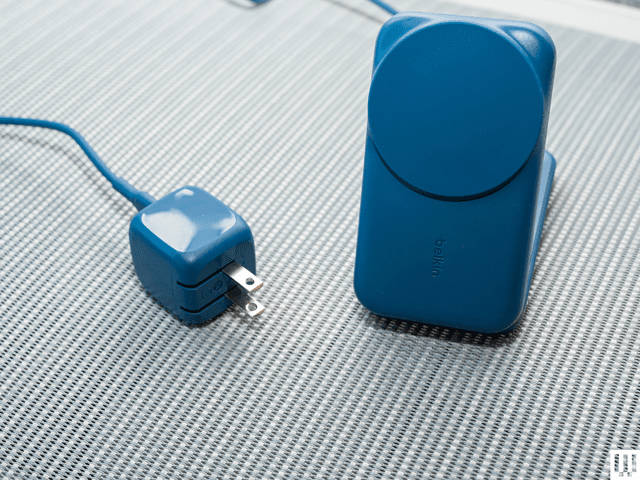
Earbuds and smartwatches introduced a different testing challenge. These devices use wireless charging but sit lower on the priority list for most charger manufacturers. A pad optimized for phone charging may not reliably detect the smaller coil in an earbud case, leading to partial charges or no charging at all. The picks from WIRED’s review account for this by flagging which chargers handle multi-device scenarios without requiring precise placement every time.
Desk setups and nightstand setups have different requirements that reviewers don’t always separate. At a desk, a stand that holds a phone in landscape mode for video calls earns its place. On a nightstand, a low-profile pad with no bright indicator light matters more than charging speed – most phones are already at 100 percent by 3 a.m. regardless of whether they’re pulling 7.5W or 15W. Testing across both contexts produced a more useful set of category winners.
The Ecosystem Factor
Apple’s MagSafe system, introduced with the iPhone 12 in 2020, fundamentally changed what wireless charging means for iPhone users. The magnetic ring ensures the phone snaps to the exact position needed for optimal coil alignment – removing the guesswork that plagued earlier Qi pads. Chargers certified for MagSafe can push up to 15W to compatible iPhones, compared to the 7.5W ceiling that standard Qi chargers deliver to Apple devices.
Android’s wireless charging story is less unified. Samsung’s Galaxy line supports up to 15W wireless charging on flagship models, while Google’s Pixel phones top out at 23W with the Pixel Stand 2, its own proprietary dock. Third-party chargers can reach those speeds only if they support the relevant charging protocols – a detail most product listings obscure. The WIRED review specifically identifies which chargers hit advertised speeds on which specific phones rather than relying on generic compatibility claims.
Travel and Multi-Device Picks
Flat travel pads remain the most portable option, and the best ones fold or coil without damaging internal components over time. A charging pad that works for 50 trips before the cable connection loosens isn’t actually a travel charger – it’s a liability. Durability at the cable-to-pad junction was a specific failure point that emerged across testing.
Multi-device chargers – pads or stands that handle a phone, earbuds, and watch simultaneously – represent the fastest-growing segment of the category. These cut down on outlet usage and cable clutter, but they introduce a real tradeoff: simultaneous charging across three coils can generate heat, and some units throttle speeds across all devices when the thermal load gets high. The most reliable multi-device chargers in WIRED’s testing managed heat through better coil placement and active ventilation rather than simply reducing output.
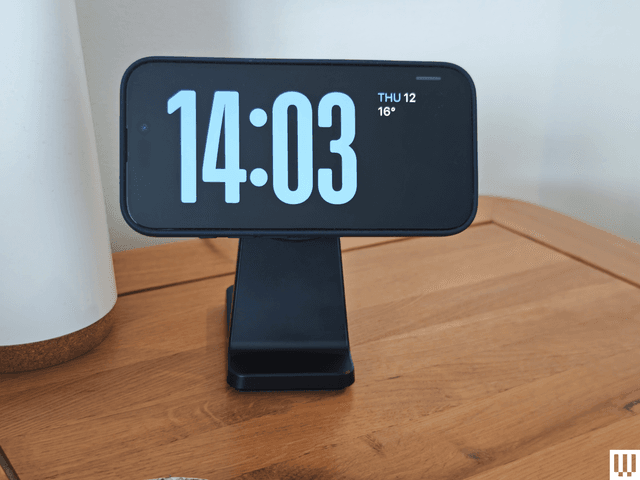
Price does not reliably track with performance in this category. Some chargers priced under $30 outperformed units costing three times as much on consistency metrics. Brand recognition carries less weight here than it does in other accessory categories – a lesser-known manufacturer with proper Qi2 or MagSafe certification can charge a phone just as effectively as a product from a major electronics label. What matters is certification, coil quality, and thermal management, none of which are visible from a product photo.
Making a Practical Choice
The WIRED picks cover the full range of use cases – single-device pads, multi-device stands, travel options, and ecosystem-specific chargers for both Apple and Android users. Each recommendation comes from hands-on testing rather than spec-sheet comparisons. Given how much time phones spend on a charger overnight, getting this purchase right has a daily payoff that most accessories don’t.
The detail that gets overlooked most often: a wireless charger is only as good as the power adapter it’s paired with. Many chargers ship without a wall adapter, and plugging a 15W charging pad into a 5W USB adapter produces exactly the same result as using a cheap pad – slow charging and confusion about which component is underperforming. That mismatch is the most common complaint in user reviews for chargers that otherwise test well.
What the 100-plus testing process ultimately confirms is that the difference between the best and worst wireless chargers isn’t dramatic in any single session – it shows up across weeks of use, in the form of a phone that’s always at 100 percent in the morning versus one that’s at 74 percent because the pad lost contact at some point during the night. That 26 percent gap, invisible in a short-term test, is exactly what long-term evaluation is designed to catch.