



A Folding Phone and Four Other Options Walk Into a Store
Apple’s 2026 smartphone lineup is its most fragmented yet, not by accident but by design. The company now sells five distinct iPhone models simultaneously – the folding iPhone Duo, the iPhone 18 Pro, the iPhone 18 Pro Max, and at least two additional non-Pro options – each targeting a different buyer at a different price point and with a different set of priorities. Knowing what each one actually offers, and which ones to skip depending on your situation, matters more now than it did when the lineup was simpler.
The folding iPhone Duo is the obvious headline. It’s the first foldable Apple has ever brought to market, and its arrival reshapes how the lineup should be read – not just as a Pro versus non-Pro decision, but as a form-factor decision that didn’t exist a year ago. Whether the Duo is the right choice for most people is a separate question from whether it’s interesting, and those two answers are probably different.
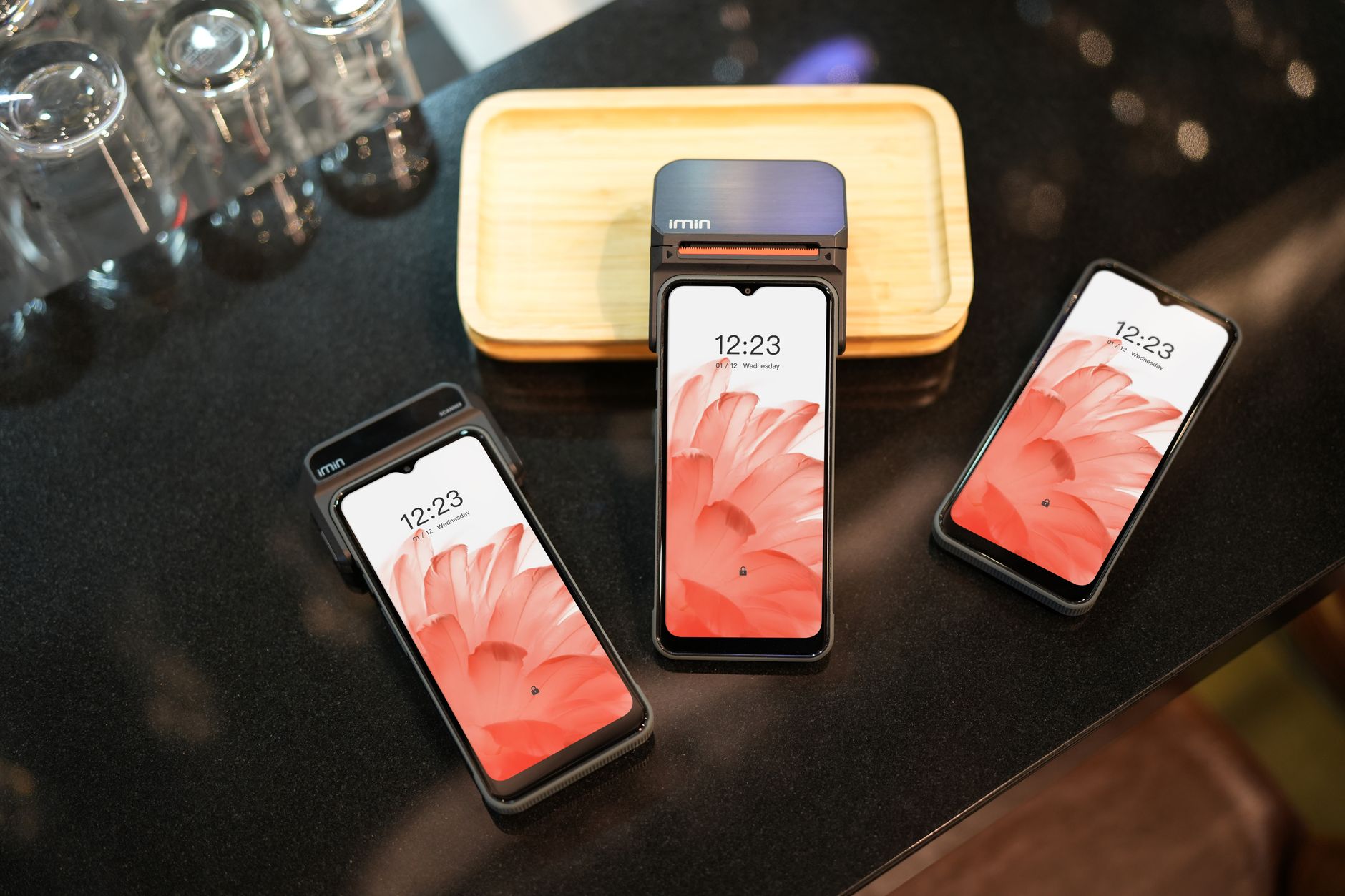
The Folding iPhone Duo: What Changes and What Doesn’t
The iPhone Duo represents Apple entering a hardware category that Android manufacturers like Samsung have occupied for several years. Apple’s approach, as is typically the case with late entries into established categories, prioritizes software integration and build cohesion over spec sheet novelty. The Duo runs the same iOS 19 environment as the rest of the lineup, meaning the operating system doesn’t radically transform just because the screen folds – apps adapt, but the experience isn’t rebuilt from scratch for the form factor.
Foldables carry a particular set of physical trade-offs that haven’t fully disappeared regardless of who makes them. The crease in the center display is real. The device is thicker when folded than any of the standard iPhone 18 models. Battery capacity in foldables is historically constrained by the need to fit two display panels and a hinge mechanism into a chassis that still needs to feel pocketable. Whether Apple has solved these problems better than competitors is something buyers will test in real-world use over months, not in the first week of reviews.
The Duo’s likely buyer is someone who actively wants to replace a tablet and a phone with one device, or someone for whom the novelty of the form factor justifies the premium. It’s not the obvious recommendation for someone who wants the best camera system, the longest battery life, or the lowest price in the lineup – the 18 Pro Max wins on cameras and battery, and older or non-Pro models win on price.
The iPhone 18 Pro and 18 Pro Max: Still the Straightforward Answer
For buyers who aren’t drawn to the foldable form factor, the iPhone 18 Pro and 18 Pro Max remain the top-tier options in Apple’s conventional slab lineup. The Pro Max continues to hold the advantage in battery size and in the longest optical zoom reach in Apple’s camera system, which has been the case across multiple generations. The standard 18 Pro closes much of that gap in a smaller body, making it the better option for people who find the Max physically uncomfortable to hold or carry.
The decision between these two often comes down to physical size preference more than feature disparity, because Apple has been narrowing the capability gap between Pro and Pro Max over recent generations. If you can handle the larger chassis, the Pro Max still delivers more. If you can’t, the Pro doesn’t leave you with a meaningfully worse phone.
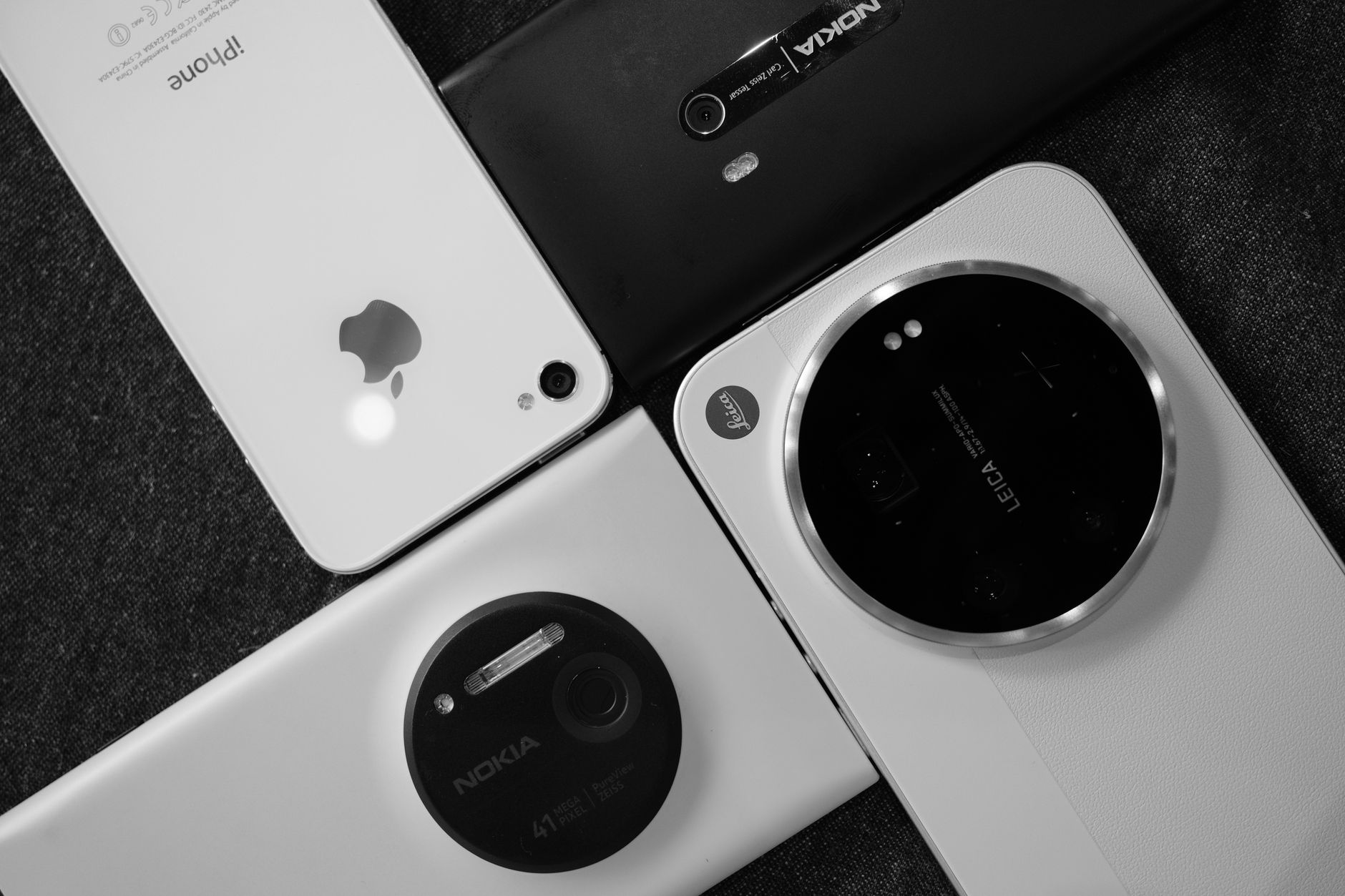
The Non-Pro Models: Where Most People Should Actually Look
Apple’s non-Pro iPhone 18 models sit below the Pro line in price and in a handful of specific hardware specs – primarily camera telephoto range, display brightness ceilings, and the ProMotion adaptive refresh rate in some configurations. What they share with the Pro models is the same core chip, the same base camera quality in most everyday shooting conditions, and the same software ecosystem. For a significant portion of buyers, the practical difference between shooting on a Pro and a base iPhone 18 is smaller than the price gap suggests.
The non-Pro options become especially worth considering in a moment when post-launch discounts are starting to surface. Apple’s own pricing rarely moves, but carrier deals, trade-in offers, and third-party retail discounts can close the gap between tiers in ways that make the base model an objectively better financial decision for buyers who don’t specifically need telephoto or the higher-end display specs. If you’re shopping now rather than on launch day, checking current discount availability across retailers is worth the twenty minutes it takes.
There’s also the question of what to avoid, which Apple’s own lineup makes easy to answer: older models still sold new at reduced prices. Unless the price reduction is dramatic – and it rarely is dramatic enough relative to what you give up in chip performance and software longevity – buying a two-generation-old iPhone at a modest discount over the current base model is rarely the better deal. Apple’s software support timelines are long, which means buying newer locks in more years of updates.
The one scenario where an older model makes genuine sense is a buyer with a hard budget ceiling who would otherwise be pushed into a non-Apple alternative. In that case, an older iPhone with several years of support remaining is a defensible choice. Outside that scenario, the current base iPhone 18 or the non-Pro tier is the smarter floor for new purchases in 2026.
Five Models, One Question: What Are You Actually Buying It For?
Apple’s five-model lineup in 2026 – the Duo, the 18 Pro Max, the 18 Pro, and the non-Pro options – is wide enough that almost every buyer has a reasonable home somewhere in it. The problem is that the Duo’s arrival makes the decision tree more complicated without necessarily making it harder, because the Duo is targeting a buyer with specific desires rather than competing directly with the Pro models on their own terms.
Camera-first buyers should still be looking at the 18 Pro Max. Budget-conscious buyers should be calculating whether a non-Pro model plus a case costs less than a Pro before assuming the Pro tier is the default. Buyers who genuinely want a larger screen experience without carrying a separate iPad have a new option in the Duo that didn’t exist before this year. And buyers who are simply replacing an aging iPhone without strong preferences will find the base iPhone 18 handles everything they need without requiring them to think harder than that.
The most revealing detail in Apple’s current lineup isn’t the folding phone – it’s that the company is now comfortable selling five premium-tier devices simultaneously, betting that buyers can and will sort themselves into the right box. Whether the Duo’s hinge holds up after 200,000 folds is a question Apple’s reliability data will answer sometime around 2028.