



Sound Design as Field Experiment
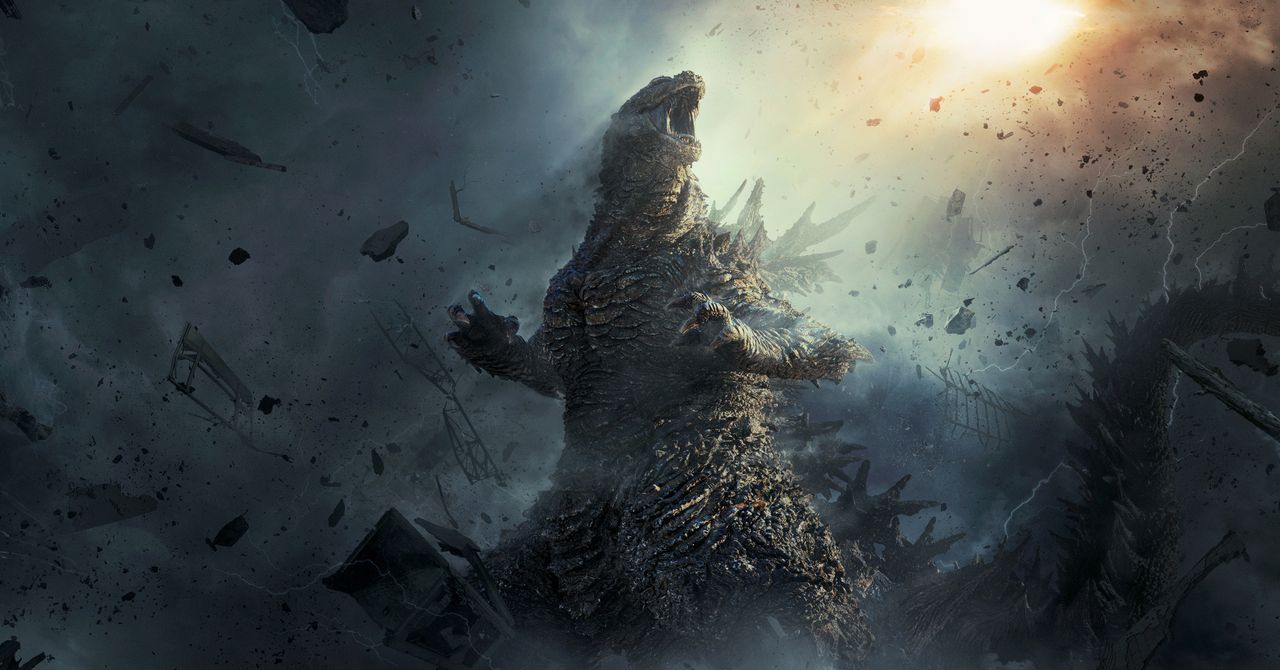
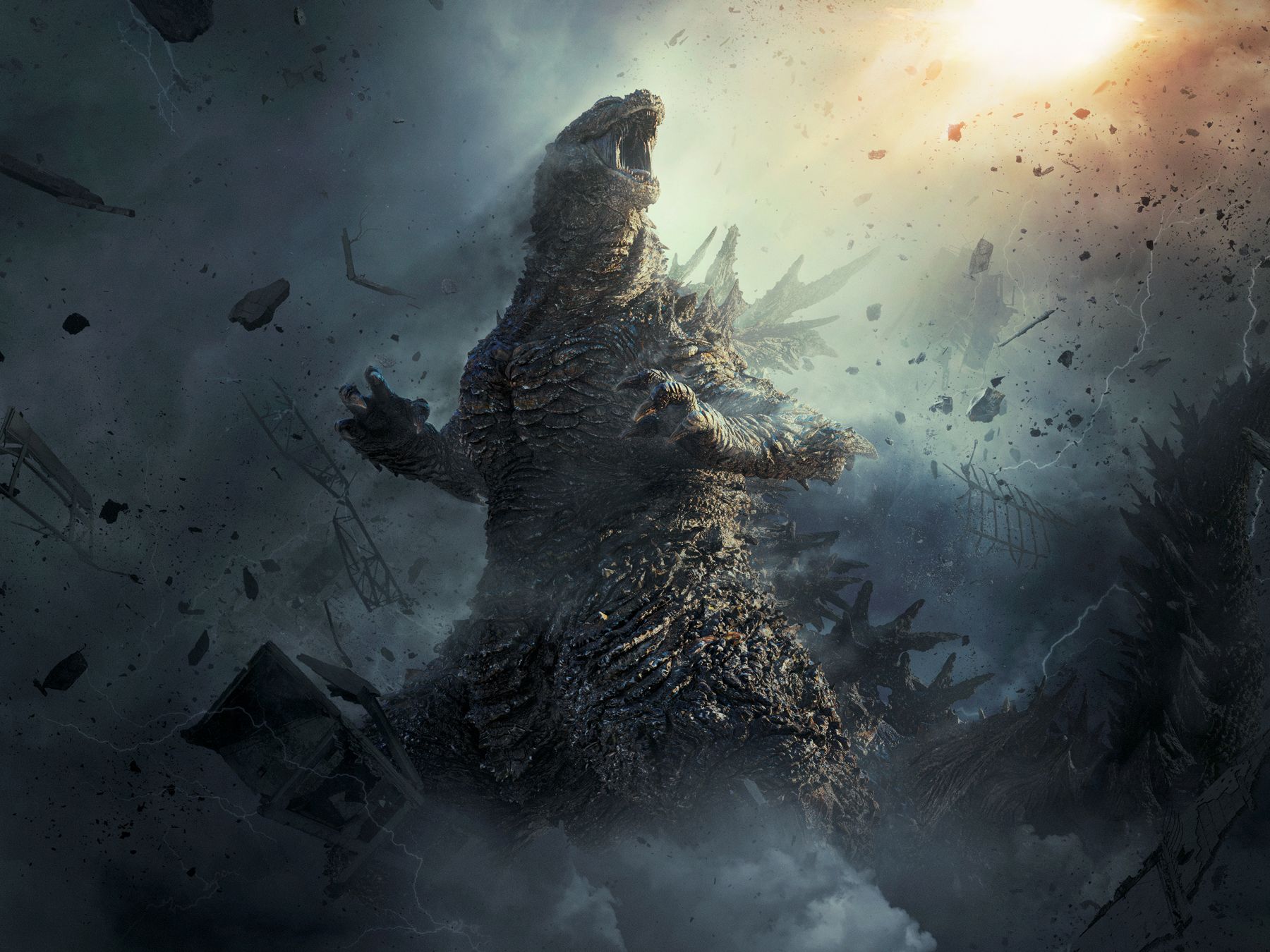
Director Takashi Yamazaki’s production team for Godzilla Minus One did not build their monster sounds inside a studio. They took their equipment outside, mounted speakers on top of an outdoor dam, and played kaiju roars into open air – with no warning to anyone passing nearby.
The bystanders walking past that dam had no idea what was coming.
What the team was testing went beyond simple volume checks. Positioning large-format speakers on a dam structure allowed the sound to carry across open terrain in ways a controlled studio environment cannot replicate. The natural reverb of concrete, water proximity, and unobstructed distance gave the crew acoustic feedback that no mixing board simulation fully reproduces. When you need a creature sound to feel genuinely massive – not just loud, but spatially overwhelming – real-world testing against real geography answers questions that software cannot.
Why Outdoor Infrastructure Became a Sound Stage
The choice of a dam as the test site was not incidental. Dams combine several properties that make them acoustically useful for this kind of work: hard, dense surfaces that reflect rather than absorb sound; significant elevation that allows projection across distance; and a surrounding environment with minimal competing structures to muddy the result. The team was essentially using civil engineering as an instrument.
Kaiju sound design sits at a specific intersection of technical audio work and psychological effect. The goal is not fidelity to any real animal – there is no reference recording for a 300-meter fictional creature – but rather the construction of a sound that registers as biologically plausible and physically threatening to a human listener. That requires iteration. Playing sounds through speakers on a dam, in front of unsuspecting people, is an iteration method. The unscripted reactions of those bystanders gave the team something a focus group inside a theater cannot: genuine, unprimed fear response.
Yamazaki’s production revealed these details at a panel during New York Comic Con, where the behind-the-scenes process drew significant attention from attendees. The dam recording session was presented not as a stunt but as a functional step in the film’s audio development – a way of stress-testing the monster’s sound against the unpredictability of an uncontrolled environment and unprepared human ears.
The Gap Between Studio Sound and Real Perception
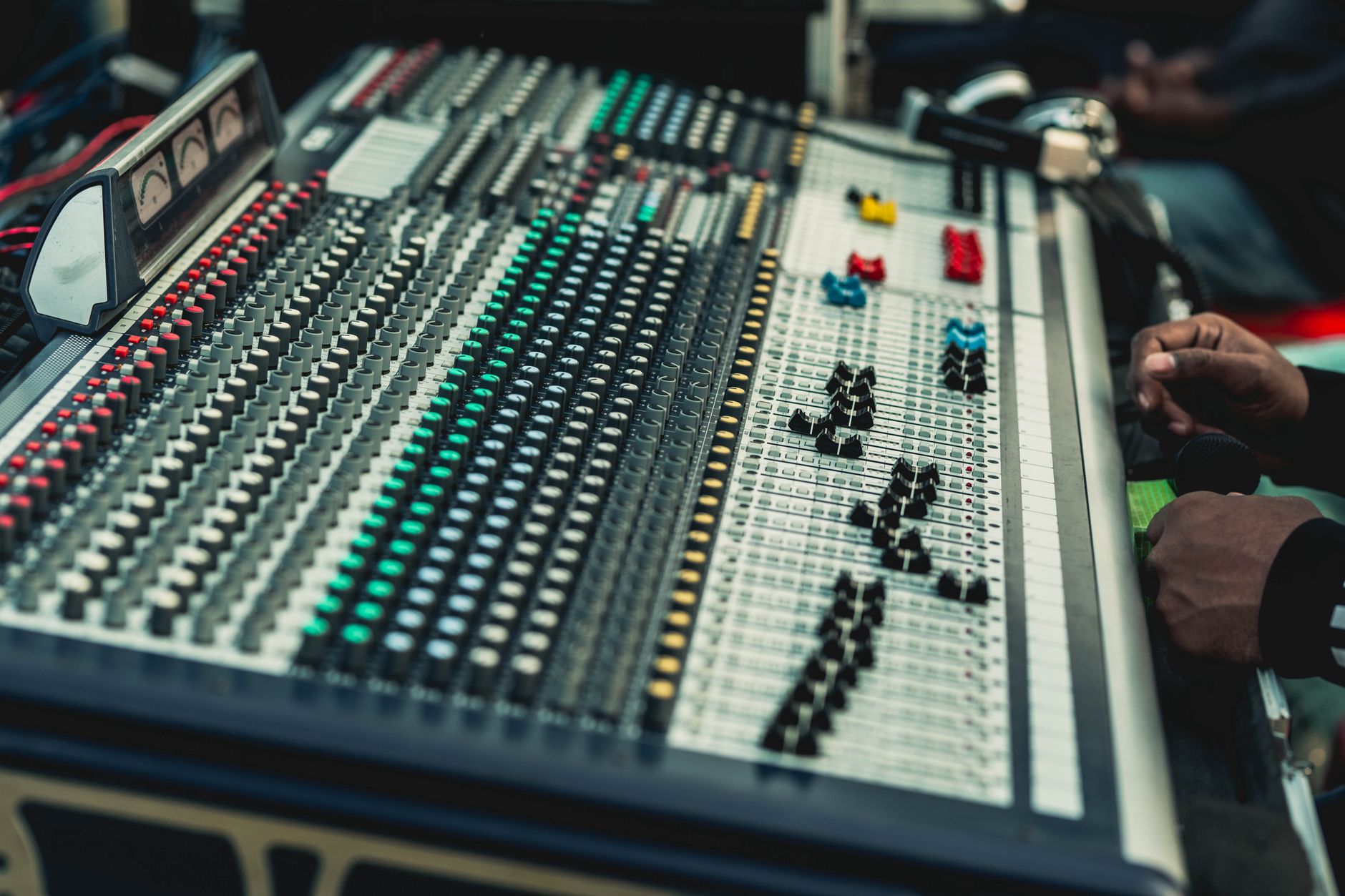
Film sound departments routinely work in acoustically treated rooms specifically designed to eliminate the kinds of variables the Godzilla Minus One team deliberately introduced. Anechoic chambers, treated mixing suites, and reference monitors are built to remove room resonance, external noise, and environmental interference – because for most audio work, those variables introduce error. What Yamazaki’s team did was invert that logic entirely.
For a sound meant to feel like it belongs in the physical world, exposure to the physical world becomes part of the design process.
The people walking by the dam during the test had no context for what they were hearing. No screen in front of them, no narrative frame, no prepared expectation. That absence of context is actually a more demanding test than a theater screening – a cinema audience arrives already oriented toward suspension of disbelief. A stranger walking past outdoor infrastructure in the middle of an ordinary day brings no such orientation. If the sound stops them, unsettles them, or produces a visible reaction without any visual stimulus to support it, the audio is doing exactly what monster sound design requires it to do. The Godzilla Minus One team appears to have been engineering for that specific threshold – the point where sound alone closes the distance between fiction and physical alarm.
Whether that outdoor dam session produced the final roar heard in the film, or whether it was one pass in a longer iterative process, the Yamazaki production’s approach raises a straightforward question about where the most useful data in sound design actually lives – inside the treated room, or somewhere on the wrong side of a concrete spillway with people walking past who didn’t sign anything?