


Dyson Moves Into Oral Care With Camera-Guided Flossing Tech
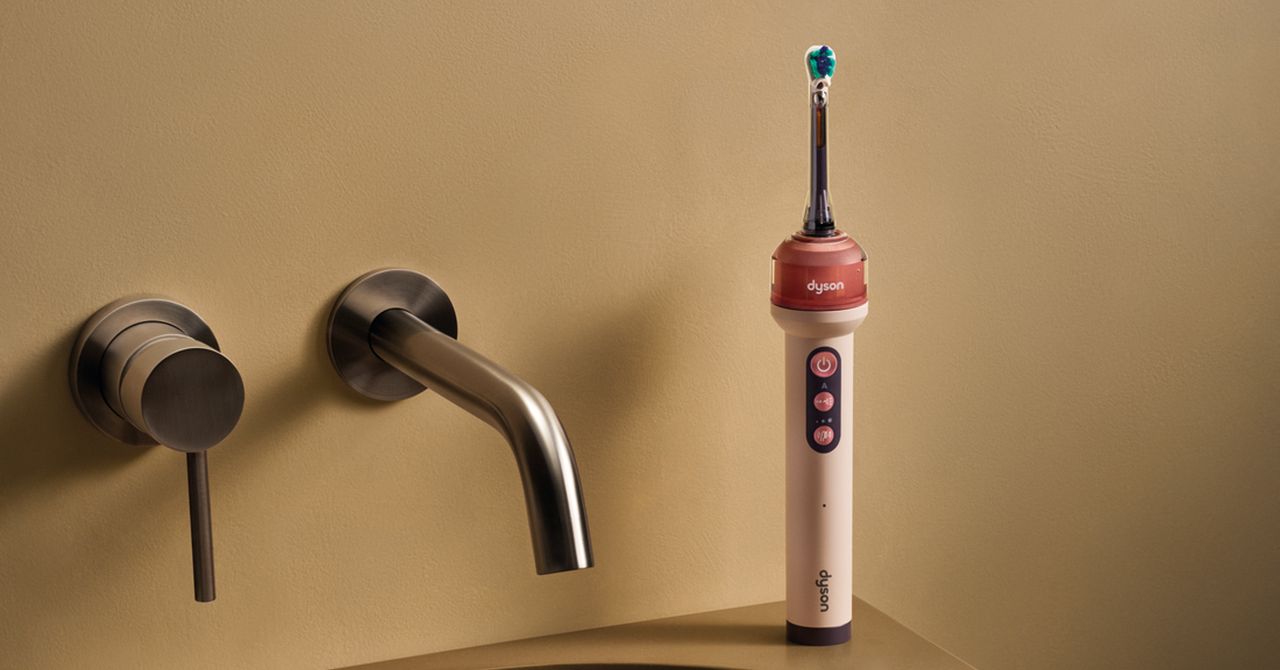
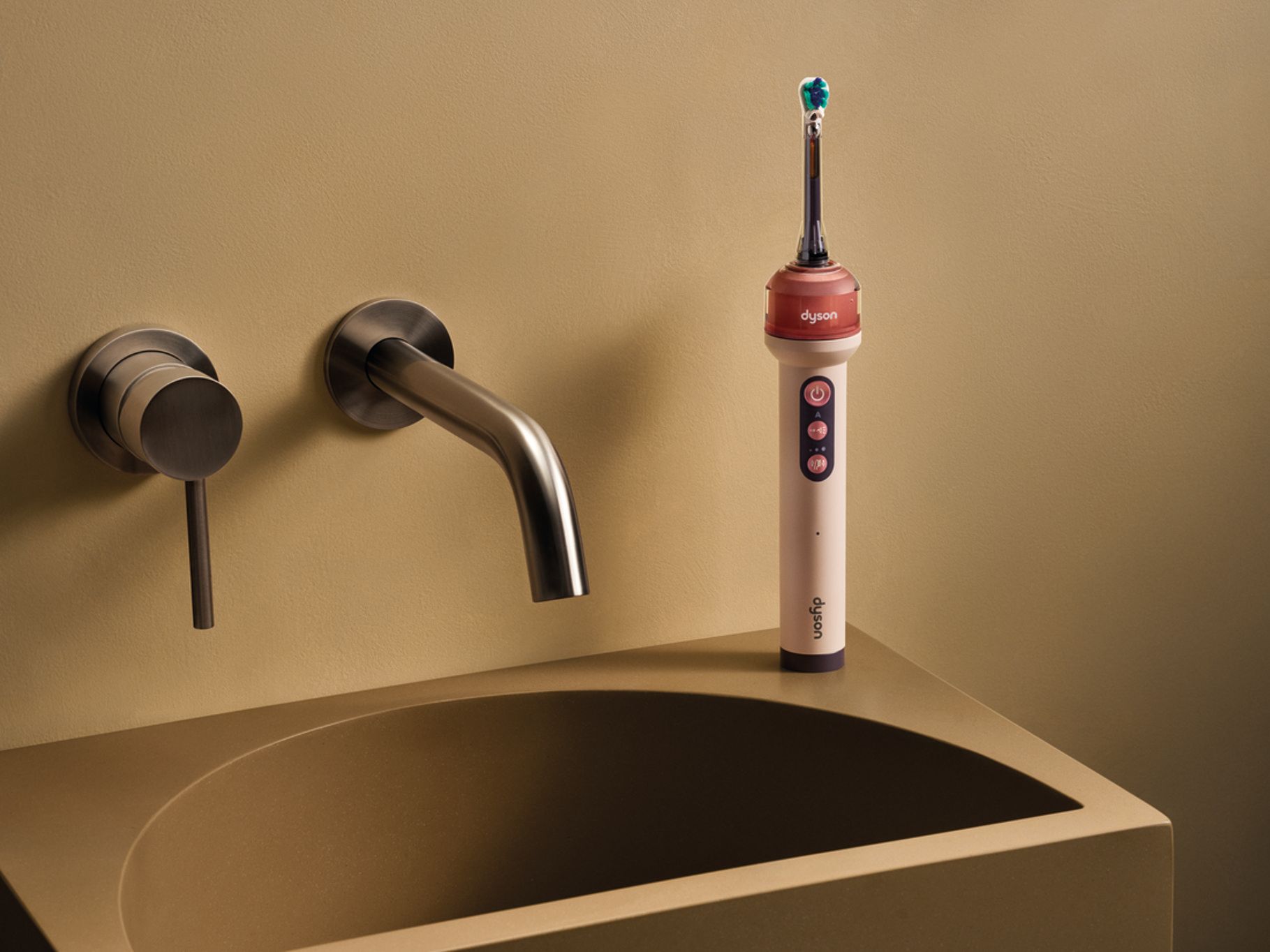
Dyson, the British company that built its reputation on stick vacuums and hair dryers, is now pointing its engineering ambitions directly at your mouth. The Dyson CameraJet, priced at $499, is an electric toothbrush and flosser that uses a built-in camera to direct pressurized streams of rinsing fluid between teeth with precision the company says a standard brush cannot match.
The move into oral care marks a sharp departure from Dyson’s established product lines, though the underlying logic is familiar – take a routine daily task and rebuild it around proprietary hardware. Here, that hardware includes a miniature camera embedded in the device, which reads the gaps between teeth and adjusts fluid delivery accordingly.
What the CameraJet Actually Does
The CameraJet’s camera system is the defining feature separating it from the crowded field of water flossers and sonic toothbrushes already on the market. Rather than spraying fluid in a fixed pattern, the device uses the camera’s real-time view to aim streams of liquid into the specific spaces between individual teeth. The premise is that generic water pressure, applied blindly, misses the irregular geometry of an actual human mouth.
Dyson has not released detailed specifications on camera resolution or the fluid pressure range the CameraJet operates within, but the $499 price tag positions it well above premium competitors from brands like Oral-B and Waterpik, whose top models typically land between $70 and $200. At that price, Dyson is betting that camera-guided precision justifies a cost roughly two to five times higher than what most consumers currently spend on oral care devices.
The combination of brushing and flossing in a single device also addresses a persistent behavioral problem – most people don’t floss consistently. If the argument for the CameraJet holds, it’s not just that the camera makes flossing more accurate, but that collapsing two steps into one reduces the friction enough to actually change habits. That’s a product design argument as much as a dental one.
Dyson has historically charged premium prices and defended them with visible engineering differences – cyclone vacuum technology, bladeless fans, the high-speed motor in the Airwrap. The CameraJet follows that same structure: a feature that is genuinely novel, wrapped in a price that filters for buyers who treat personal care hardware the way others treat consumer electronics.
Dyson’s Expanding Hardware Footprint
The oral care push continues a pattern Dyson has followed since expanding beyond vacuums into hair care and air purification. Each category entry has involved building hardware around a technology differentiator – often airflow or motor speed – rather than competing on price. The CameraJet substitutes imaging for airflow as that core differentiator, which is a more significant engineering jump than iterating within a familiar physics domain.
Building a reliable miniature camera into a wet environment, one that regularly contacts bacteria, saliva, and pressurized fluid at close range, presents engineering problems that don’t have obvious precedents in Dyson’s existing product lines. Whether the camera system degrades over time, how the device handles lens fogging, and how users are expected to clean the camera surface are all questions the company hasn’t addressed publicly ahead of launch.
The Market Dyson Is Entering
The global electric toothbrush market has grown steadily, driven largely by dentist recommendations and increasing consumer interest in preventive care over reactive treatment. Water flossers occupy a smaller but fast-growing segment, and no major player has yet combined camera guidance with fluid delivery in a consumer product at scale. Dyson is arriving into a category where brand recognition in adjacent markets – personal care, home appliances – carries real weight.
Consumer response to $499 oral care hardware will ultimately depend on whether users trust the camera feedback enough to change their brushing behavior, and whether that feedback is actually visible and actionable during use. A device that captures data the user cannot easily interpret in real time becomes an expensive toothbrush with an underused camera.
Dyson has not announced a release date or confirmed which markets will receive the CameraJet at launch. What is confirmed: the price is $499, the device combines brushing and flossing functions, and the camera system is designed to target fluid delivery between teeth rather than applying uniform pressure across the entire mouth. The device exists. The durability of a miniature camera inside a tool that spends its working life in a wet human mouth – that part remains to be demonstrated.