


A British Icon’s Electric Debut
Bentley has unveiled the Torcal, its first fully electric vehicle, entering a segment where heritage brands have repeatedly struggled to convert their wealthy customer base to battery power. The SUV arrives with a 330-mile range, a 0-to-60 mph sprint of under three seconds, and what Bentley is calling an “orchestra under the hood” – a synthetic soundscape engineered to replace the sensory feedback that combustion engines have always provided for free.
The company is pitching the Torcal directly at high-rollers who have so far shown more loyalty to their V8s and W12s than to any environmental argument. Whether a curated audio experience can substitute for decades of mechanical theater is the real question Bentley is asking the market to answer.
The Numbers Behind the Launch
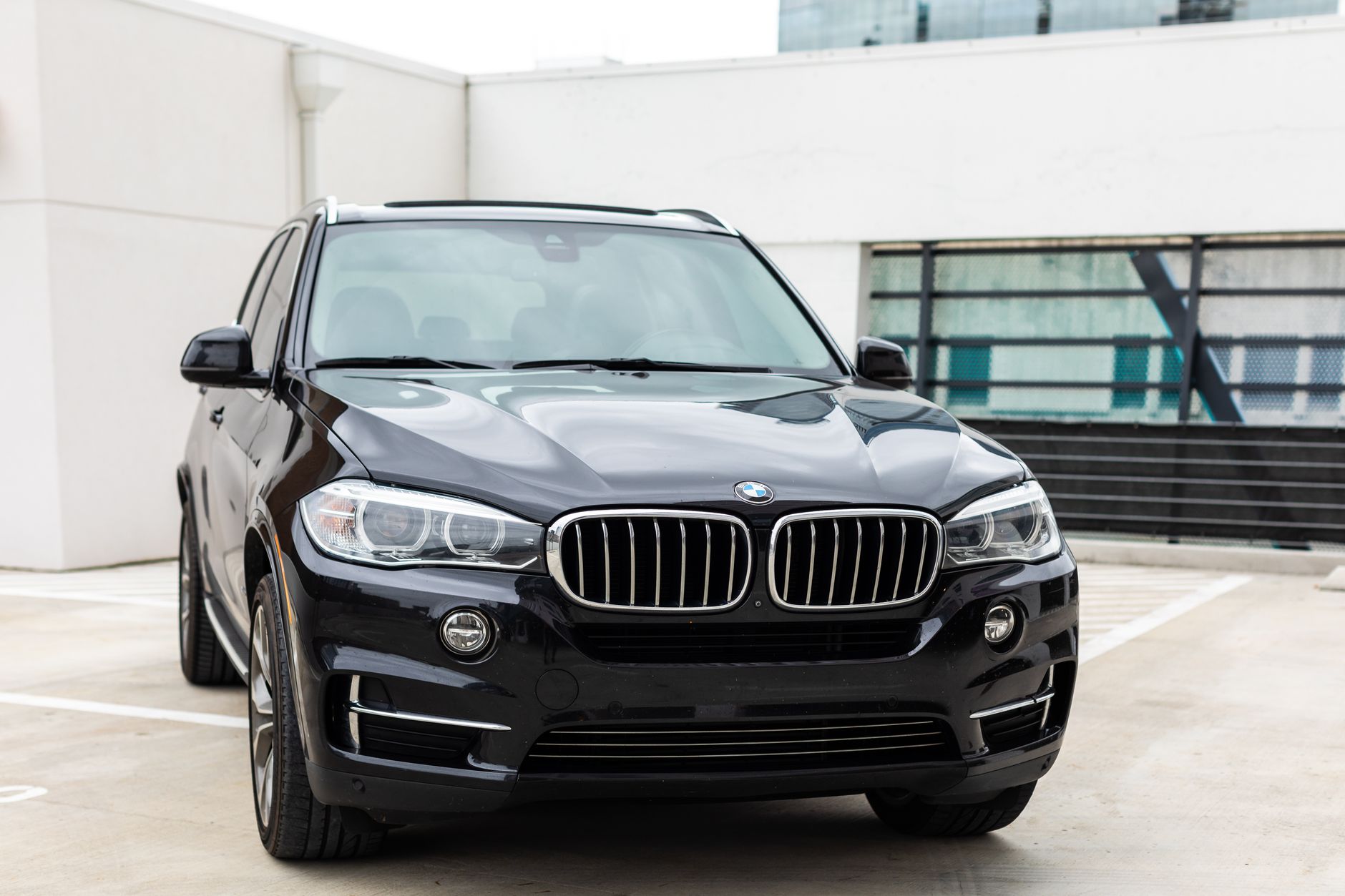
On paper, the Torcal’s performance figures are difficult to dismiss. A sub-three-second 0-to-60 time puts it in the same breath as sports cars costing considerably less, while the 330-mile range addresses the anxiety that has kept many luxury buyers from committing to a battery-electric purchase. For an SUV in this class, those specifications represent exactly the kind of threshold Bentley needed to clear before its traditional clientele would take the product seriously.
The Torcal is Bentley’s first full EV – not a hybrid, not a plug-in variant of an existing platform, but a ground-up electric architecture. That distinction matters because it signals how Bentley is orienting its long-term product strategy, even as rivals in the ultra-luxury segment have found that announcing an EV and actually selling one at volume are very different problems.
Why Luxury EVs Keep Disappointing
The “curse” Bentley is trying to break has a short but embarrassing history. Brands positioned at the top of the automotive market – where buyers expect not just performance but a complete sensory experience – have found that electric drivetrains strip away too many of the cues that justify premium pricing. The absence of engine noise, vibration, and even the smell of a high-displacement motor turns out to be a genuine commercial liability when your customers have spent decades treating those qualities as features.
Porsche’s Taycan carved out a defensible position, but it required years of repositioning and a customer education effort most manufacturers underestimated. Rolls-Royce’s Spectre has moved units, yet Rolls benefits from a buyer profile so wealthy that range anxiety is genuinely irrelevant – a charging network gap is a problem a second car can solve. Bentley sits in a slightly different position: aspirational enough to attract buyers who have alternatives, but not so stratospheric that practicality stops mattering entirely.
The orchestra-under-the-hood concept is Bentley’s direct response to the sensory void. Rather than pretending the absence of engine noise is a premium feature – the approach some EV brands have tried – Bentley is filling that space deliberately with engineered sound. It is an acknowledgment that silence, however technologically impressive, does not automatically feel expensive to the people writing checks at this price level.
There is precedent for manufactured acoustic experiences in automotive design. Active sound generation has existed in mass-market cars for years, pumping engine noise through speakers to compensate for increasingly insulated cabins. What Bentley is attempting is a more deliberate version of that practice – not mimicking a combustion engine but composing something original that reads as luxury rather than nostalgia.
The EV Market’s Broader Pressure
Bentley’s timing is not accidental. Regulatory pressure across Europe is pushing automakers toward full electrification on timelines that leave little room for hesitation. The UK and EU have both set frameworks that make continued investment in combustion-only platforms increasingly difficult to justify financially, even for low-volume manufacturers producing vehicles at Bentley’s price point.
At the same time, the luxury EV buyer pool is expanding. Younger wealth – concentrated in technology, finance, and adjacent industries – skews more favorably toward electric vehicles than the demographic that built Bentley’s existing customer base. The Torcal is partly a product designed for today’s buyers and partly a stake in the ground for buyers who are currently in their thirties and forties and will be Bentley’s core market within a decade.

What Actually Has to Work
The Torcal’s success will hinge on factors that specifications cannot fully capture. Charging infrastructure, real-world range in cold climates, software reliability, and the tactile quality of the interior will all receive scrutiny from buyers who are accustomed to Bentley’s existing standard of fit and finish – a standard built over a century of craftsmanship in combustion vehicles. Any shortfall will be amplified by the price premium these customers are paying.
The orchestra under the hood is a compelling concept in a press release, but it will face its first real test when an actual Torcal owner sits in the car for the fifth or fiftieth time and decides whether the sound still feels worth the money. Bentley has committed to the bet. The audience has not yet voted.
What makes the Torcal genuinely worth watching is not the range figure or the acceleration number – both of which competitors can match or will match shortly – but whether Bentley’s century-old instinct for what wealth sounds like translates into something a battery can actually deliver. The 330-mile range gets buyers in the door. The orchestra is what has to make them stay.