


A Machine Built for Scale, Not Silence
When a director calls for an IMAX 15/70 camera on set, they are making a deliberate trade. The footage that comes out of that machine – sharp, towering, filling screens up to eight stories tall – is among the most visually detailed ever captured on film. What comes with it, however, is a mechanical roar that can derail dialogue recording, force crews into complex workarounds, and turn a quiet dramatic scene into a logistical problem.
The noise is not a flaw that engineers overlooked. It is, in large part, a direct consequence of what makes the camera work at all.
What the 15/70 Format Actually Demands
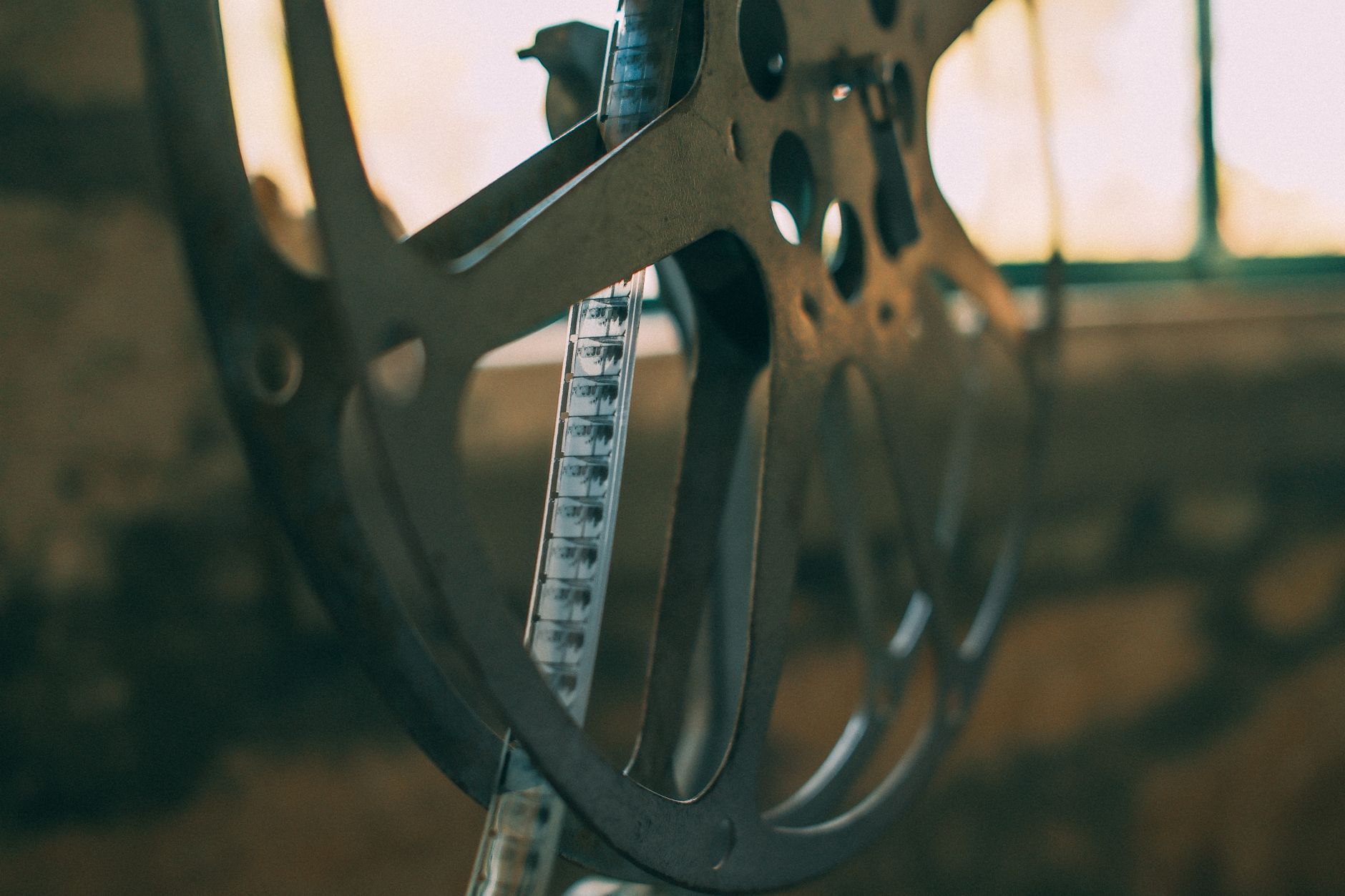
Standard 35mm film runs through a camera horizontally, with each frame using four perforations along the film strip. IMAX 15/70 does something far more aggressive – it pulls the film through vertically, and each frame uses fifteen perforations. That means the individual frames are roughly ten times the surface area of a standard 35mm frame. More film surface means more detail. It also means the camera has to move a significantly larger and heavier strip of film at the same rate as a conventional camera.
To shoot at a standard 24 frames per second, the IMAX movement mechanism has to yank that wide, heavy film strip forward, stop it dead, hold it perfectly still while the shutter opens and the frame is exposed, then yank it forward again – all within a fraction of a second. That cycle repeats 24 times every second without interruption. The physical forces involved are substantial, and the components doing that work – the intermittent movement, the pulldown claw, the pressure plate – are doing it under significant mechanical stress. That stress generates vibration, and vibration generates sound.
The film itself contributes to the problem. A wider strip has more mass and more surface area pressing against the internal guides and rollers of the camera. As it accelerates and decelerates dozens of times per second, the accumulated friction and impact noise adds up. There is no gentle way to move that much material that fast inside a sealed housing.
Why Blimp Solutions Only Go So Far
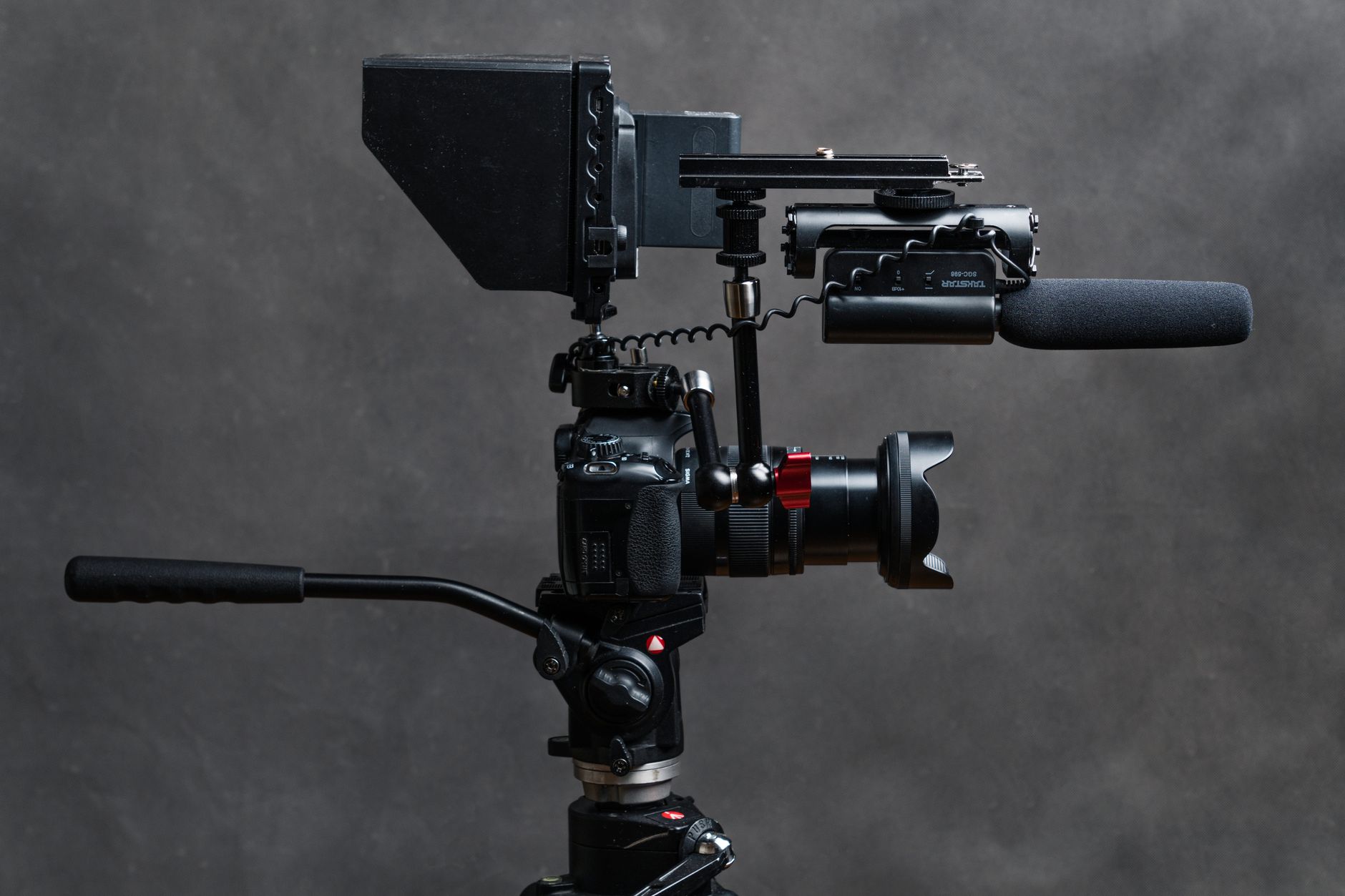
Filmmakers shooting in environments where sound recording matters – which is most environments – typically surround noisy cameras with a blimp, an insulated housing designed to absorb mechanical sound before it reaches microphones. Blimps work well for 35mm cameras. For the IMAX 15/70, the sheer size of the camera body makes building an effective blimp a significantly harder engineering challenge. Any housing large enough to enclose the camera properly becomes unwieldy, and the weight penalty on an already heavy system compounds quickly.
Productions that shoot on IMAX 15/70 often work around the noise rather than eliminating it – scheduling dialogue scenes for other formats, recording ambient sound separately, or positioning the camera at a distance where the noise floor drops enough to be manageable in post-production. Christopher Nolan, one of the most consistent advocates for the format, has structured productions around these constraints rather than abandoning the format because of them. His approach treats the IMAX camera as a tool worth accommodating, not one worth replacing.
The Format’s Place in a Changing Industry
Digital IMAX cameras exist and have their own noise profiles – largely quieter, since electronic sensors do not require the same mechanical film transport. But a segment of filmmakers and cinematographers continues to argue that the 15/70 film format produces a look that digital has not fully matched. The grain structure, the light response, and the sheer resolution of a 15-perforation 70mm frame remain distinct enough that productions with the budget and logistical tolerance to use the format still do.
That distinction matters commercially. Audiences paying premium ticket prices for certified IMAX screenings of films shot on 15/70 film are watching something genuinely different from a digitally upscaled alternative. The IMAX branding on a ticket does not always indicate the same capture format, which makes the choice to shoot on the loudest and most demanding version of the technology a meaningful creative statement as much as a technical one.
The mechanical demands of the 15/70 system are unlikely to change in any fundamental way. The physics of moving large film at high speed inside a precision housing do not offer much room for quiet. Lubricants, dampening materials, and refined manufacturing tolerances have made the cameras less disruptive than earlier generations, but the noise has never been engineered away entirely – and may not be, so long as the film itself stays wide and the frame rate stays constant.
What has changed is the infrastructure around the camera. Sound departments working on IMAX productions have developed workflows specifically for the format’s limitations. Post-production tools for cleaning dialogue recorded near a loud mechanical source have improved. The camera’s noise problem has essentially generated its own supporting industry of workarounds, all built to preserve footage that many cinematographers consider worth the trouble.
The question no one in the industry has fully answered is how long a format defined by its mechanical intensity – and the loud, physical proof of that intensity on set – can sustain demand when quieter digital alternatives keep narrowing the visible gap.