


More Pixels, Fewer Benefits
When monitor manufacturers push 5K displays into the market, the pitch is straightforward: sharper is better, and sharper still is better than that. On paper, 5K resolution sits above 4K UHD, delivering a denser pixel count that produces crisper text, finer detail, and images that look closer to print than anything a screen has managed before. For certain professionals – photo editors working at 100% zoom, video colorists scrubbing through raw 5K footage, graphic designers who live at the pixel level – that extra resolution pays dividends in real, measurable ways. For gamers, though, the math breaks down fast.
The core problem is not what 5K looks like. It is what 5K demands in exchange for looking that way.
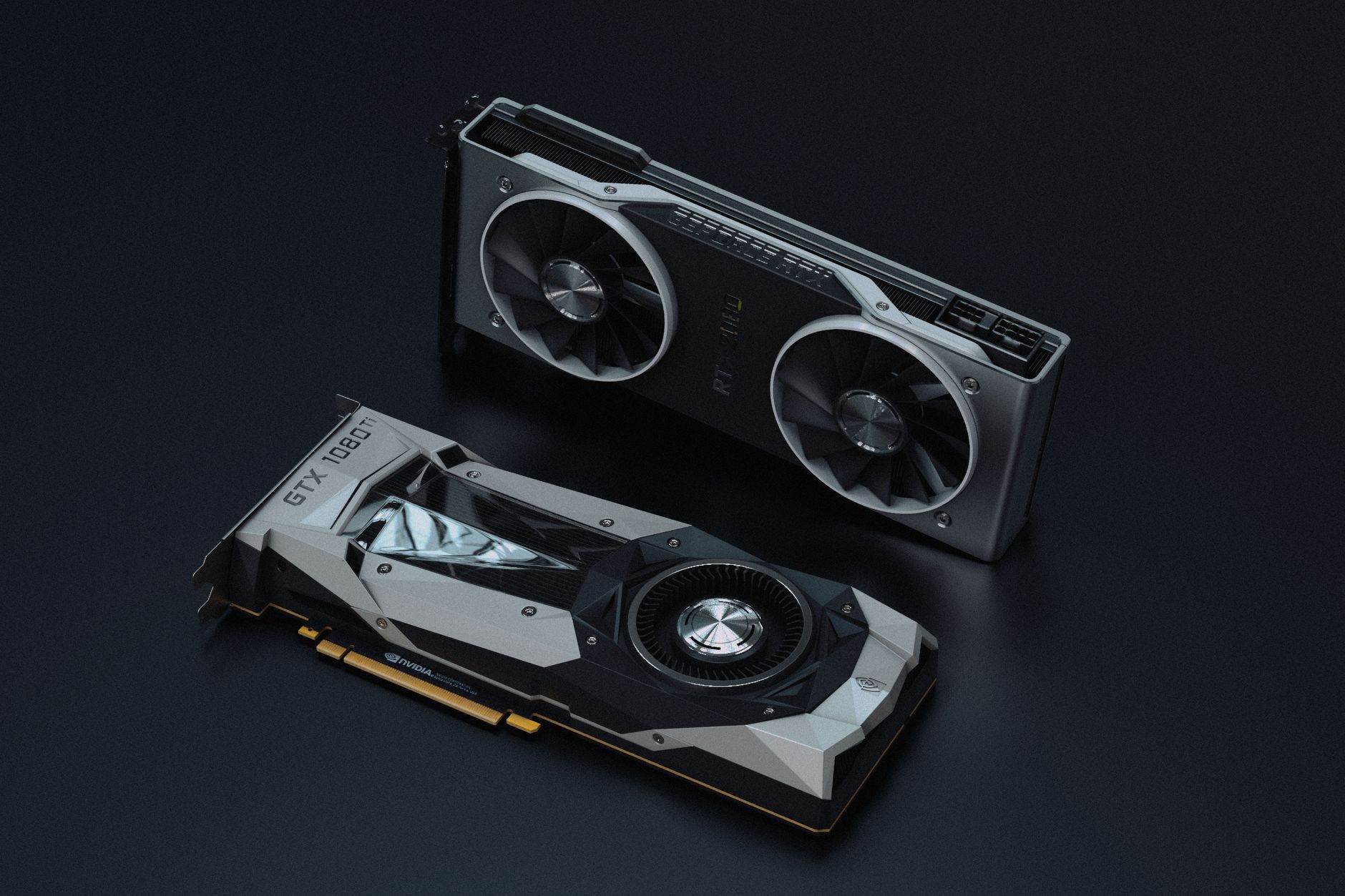
Gaming at 5K resolution requires a graphics card powerful enough to push frames through an enormous pixel count, frame after frame, game after game – and the GPUs capable of doing that at playable framerates sit at the very top of the market in both performance and price. Even then, many titles will buckle. A monitor upgrade does not come with a hardware upgrade, and most gaming rigs already running 4K setups are not designed with 5K headroom built in. Buying the display is the easy part.

What 4K Actually Delivers in a Gaming Context
4K UHD resolution – 3840 x 2160 pixels – has reached a point of genuine maturity in the gaming market. GPU manufacturers have spent years optimizing their hardware and software around 4K output. Upscaling technologies like DLSS, FSR, and XeSS are all built with 4K as a primary target resolution, which means a mid-to-high-end card can render internally at a lower resolution and reconstruct a sharp 4K image with minimal visual penalty. That pipeline does not exist for 5K in any meaningful form, leaving 5K gaming dependent entirely on brute-force native rendering.
Refresh rate is the other variable that 5K displays consistently lose. The gaming monitor market at 4K has expanded to include high-refresh panels – 144Hz, 165Hz, and 240Hz options are available at competitive prices. Higher refresh rates reduce motion blur, tighten input response, and make fast-paced games feel fundamentally different to play. Most 5K monitors are built around a 60Hz baseline because the bandwidth required to drive 5K at high refresh rates strains the limits of current display connectivity standards. A 60Hz 5K panel against a 144Hz 4K panel is not a close comparison for anyone who plays action games, shooters, or anything where movement matters.
The content ecosystem also leans hard toward 4K. Streaming platforms deliver 4K HDR content as their premium tier. Game engines render cutscenes at 4K. Asset packs and texture libraries are built around 4K dimensions. A 5K display does not unlock a higher tier of gaming content – it renders the same content at a resolution that most of that content was never designed to fill. The extra pixels exist, but there is nothing specifically authored to use them.
Who 5K Is Actually Built For
5K monitors are not bad products. They are specific products sold to a specific audience that the gaming market largely does not include. A photographer editing in Lightroom or Capture One gains immediate, tangible value from the additional screen real estate and pixel density – images appear closer to their true detail without zooming, and color accuracy across a wider canvas becomes easier to evaluate. A video editor working with 5K or 6K camera footage benefits from being able to view clips at or near 1:1 without scrolling. These are professional productivity use cases where the resolution advantage translates directly into workflow improvements that save time or improve output quality.
Gamers do not have a workflow that benefits from 5K in the same way. The experience of playing a game is already framed, paced, and rendered by the game engine itself. A shooter does not become more playable because the HUD elements are rendered at a higher pixel density. An open-world RPG does not reveal meaningful extra detail at 5K that 4K with a high-quality texture pack does not already provide. The visual return, measured against the cost in GPU performance and purchase price, does not hold up.
5K also carries a significant price premium. The display hardware required to produce 5K at any level of quality costs considerably more than an equivalent 4K panel, and the gap widens further when comparing 5K monitors to 4K monitors with high refresh rates and good HDR implementations. A gamer spending the budget of a mid-range 5K monitor on a quality 4K panel with 144Hz and HDR600 certification is getting a setup that will outperform in almost every category that affects daily gaming experience.

The Resolution Question Is Not Going Away
Resolution marketing creates a simple hierarchy – more is more – and that framing works until you examine what the hardware actually needs to deliver on the promise. 5K is sharper than 4K UHD. That is a factual statement with no useful asterisks. But sharper is not the only axis on which monitors compete, and for gaming it is not even the most important one. Framerates, refresh rates, response times, upscaling compatibility, content availability, and GPU overhead all factor into whether a display actually improves the experience of playing games – and 5K loses ground on most of those measures compared to mature, well-supported 4K options. The question for any gamer considering a display upgrade is not which resolution number is larger. It is which resolution delivers the best experience given the full hardware stack they are running.