



A Brand Name That Covers Very Different Experiences
You paid extra for the IMAX ticket. You picked the seats, checked the showtime twice, and showed up expecting something genuinely different from a standard cinema screen. What you got, though, depends entirely on which theater you walked into – because the IMAX logo does not guarantee a consistent format, screen size, or projection system.
This gap between expectation and reality has a name that moviegoers coined themselves: “LieMax.” It refers specifically to IMAX screenings that take place in auditoriums far smaller and technically inferior to what most people picture when they hear the brand. Understanding the difference requires knowing what IMAX actually offers across its various configurations – and why theaters are motivated to sell the premium ticket regardless.
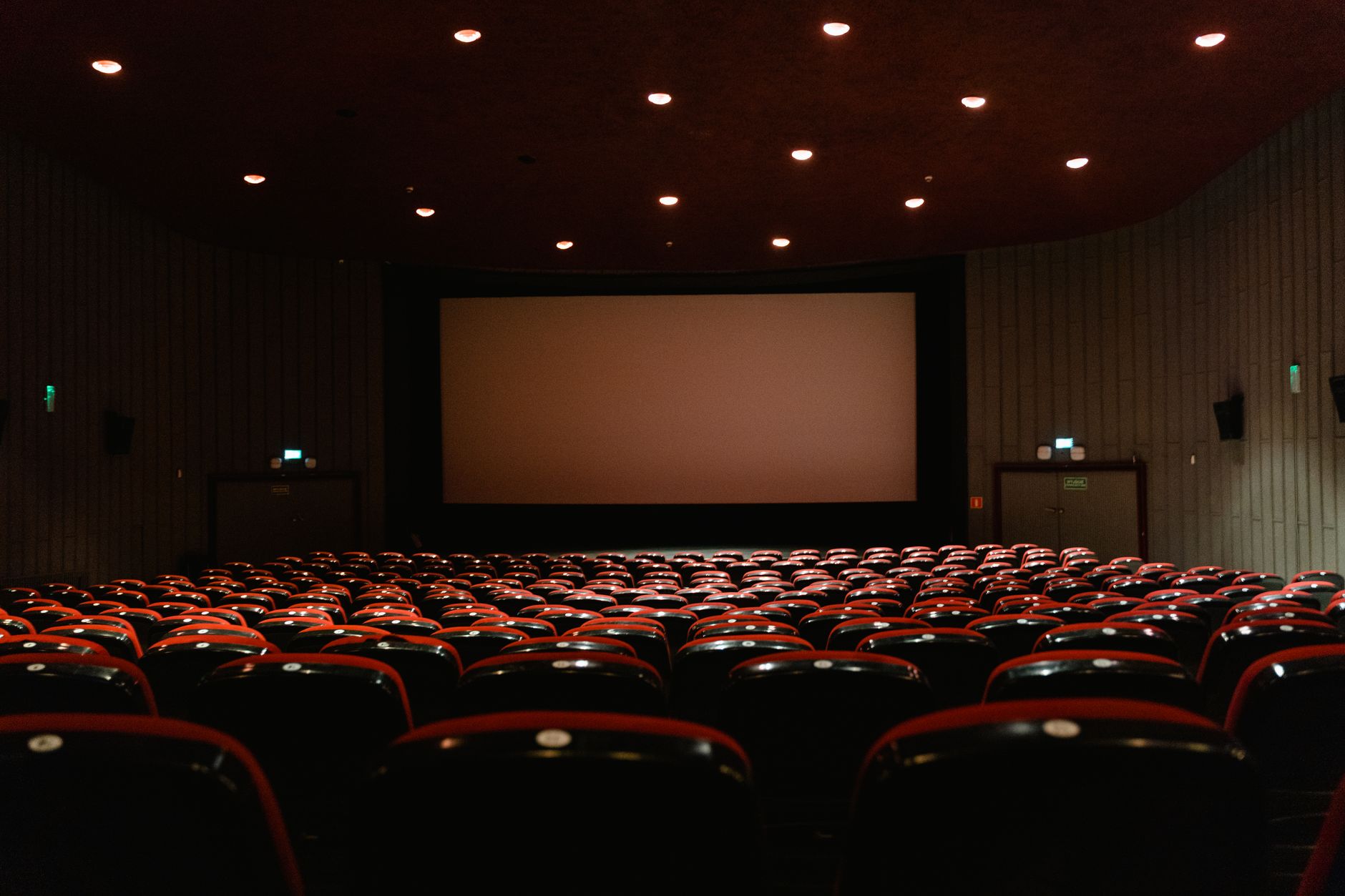
What Genuine IMAX Actually Involves
The format that built IMAX’s reputation uses 15-perforation, 70mm film – a frame roughly ten times larger than standard 35mm. Cameras shooting in this format are enormous, expensive to rent, and physically demanding to operate on set. The screens designed for this format are proportionally massive, often six to eight stories tall, with an aspect ratio close to 1.43:1 – taller and wider than the 1.90:1 ratio that most digital IMAX presentations use today. When a film is actually shot with IMAX cameras and shown on one of these screens, the image expands vertically to fill more of your field of vision, which is where the immersive reputation comes from.
A smaller category of true IMAX presentations uses laser projection. IMAX’s own dual 4K laser system, installed in larger auditoriums, delivers high brightness, deep contrast, and the wider 1.43:1 aspect ratio on screens that qualify as legitimately large. These installations are less common than the brand’s footprint suggests, but they exist in major markets and represent the closest digital equivalent to the film experience. Theaters with this setup are sometimes listed separately on the IMAX website as “IMAX with Laser,” which is a meaningful distinction worth checking before buying.
Both of these configurations – 15/70 film and large-format laser – share a critical characteristic: the screen and the projection system were built specifically to handle that format. The architecture of the room, the placement of speakers, the screen curvature in some venues – all of it is designed around the oversized image. That coordination between screen and projector is what separates the genuine product from what follows.
Where “LieMax” Comes In
The problem starts with how IMAX expanded its footprint through a deal structure that allows existing multiplexes to rebrand a standard auditorium as an IMAX screen. These venues install a rebranded digital projection system – often a 2K or dual 2K setup – in a room that was already built to conventional dimensions. The screen in these cases might be only modestly larger than a standard premium large format screen at the same theater, and in some documented cases, barely distinguishable from the regular auditorium next door. The surcharge on the ticket, however, remains.
IMAX has responded to this criticism over the years by improving the minimum specifications it requires from partner theaters, and by developing its own proprietary laser systems for smaller rooms – marketed under the same “IMAX with Laser” label used for larger venues, which introduces its own confusion. A laser-equipped small-format IMAX room is technically better than an older 2K digital installation, but it is still not the same experience as a purpose-built large-format venue, and the ticket price rarely reflects that hierarchy with any transparency.
How to Actually Check Before You Buy
IMAX publishes a theater locator on its website that distinguishes between screen types in some markets, and dedicated fan communities have built independent databases mapping specific auditoriums to their actual configurations. The site imax.com allows you to search by location and see whether a given venue is listed as a “GT” (grand theater, indicating a large-format screen) or falls into another category. This is not always clearly surfaced during the ticket-buying process on third-party platforms, which typically display only the IMAX label without further detail.
Screen dimensions, when theaters publish them, are one of the clearest signals. A genuine large-format IMAX screen typically runs over 70 feet wide. Anything substantially below that – say, in the 40-to-50-foot range – is operating in a different league regardless of what the signage says. Some enthusiast sites maintain lists of the largest screens by city, and cross-referencing a theater’s listed screen size against those benchmarks takes about two minutes before checkout.
The aspect ratio of the film itself also matters here. Certain directors – Christopher Nolan, most visibly – shoot portions of their films on actual IMAX cameras, producing footage that expands to fill the 1.43:1 frame on compatible screens. Watching that content on a digital IMAX screen locked to 1.90:1 means you are seeing a cropped version of what was captured. The film still plays, but the full image does not. For films where the IMAX photography is a deliberate creative choice, this is not a minor quibble.
The simplest practical step remains checking the IMAX website’s theater detail page directly rather than relying on what the ticketing interface shows you. If the venue description does not specify “IMAX with Laser” or “GT,” and if the screen dimensions are not listed or are conspicuously absent, that absence itself is informative. Theaters with the largest and most technically capable setups tend to advertise those specifics. Ones that don’t often have a reason to stay vague.

The Price Gap and What It Reflects
IMAX surcharges vary by market, but premiums of $5 to $10 above a standard ticket are typical in the United States, with some major markets and premium venues running higher. That surcharge is applied uniformly across IMAX-branded screens regardless of whether the room is a six-story 70mm venue or a rebranded multiplex auditorium with a modest screen and aging digital projectors. The pricing structure offers no signal about the actual configuration – which is precisely what makes the pre-purchase research necessary rather than optional.
Whether that gap is worth paying comes down to what specific film you’re seeing, in which specific city, and in which specific building. A moviegoer in a market served by one of the older converted multiplexes has a fundamentally different product than someone in a city with a purpose-built IMAX GT. They are paying similar prices for those experiences, and the logo on their ticket is identical.