


Tesla Moves Cybercab Closer to Commercial Reality
Tesla has set an ambitious internal target: begin selling Cybercabs to transport companies before the end of 2026. The move signals a shift from prototype showcases and closed test environments toward actual commercial transactions, with fleet operators rather than individual consumers as the first buyers in line.
That distinction matters. Selling to transport companies – not retail customers – means Tesla is positioning the Cybercab as a business-to-business product first, letting operators absorb the regulatory complexity while Tesla collects revenue and refines the hardware in real-world fleet conditions.
What Tesla Is Actually Selling
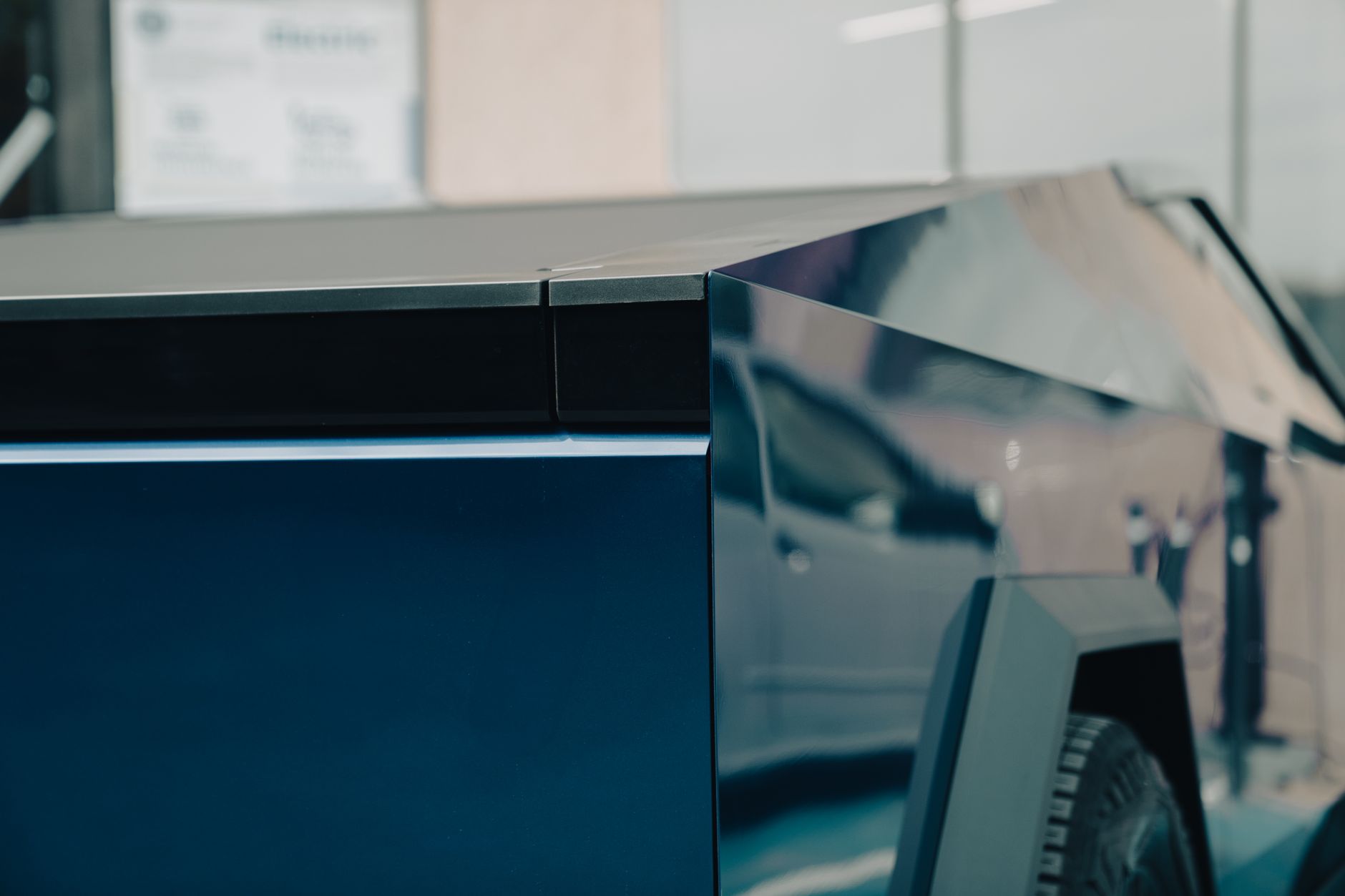
The Cybercab is Tesla’s purpose-built robotaxi vehicle, designed without a steering wheel or pedals, built from the ground up around autonomous operation. It has been discussed publicly for some time, but a commercial sales timeline – even a rough one – gives the product a different kind of weight. Tesla wants paying customers, specifically transport-sector businesses, to take delivery before December 31, 2026.
For transport companies evaluating the Cybercab, the calculus is straightforward on paper: a vehicle that operates without a human driver theoretically reduces the largest single cost in any ride or delivery operation. Whether Tesla can deliver on that promise within the stated window is the question operators will be sitting with as the year progresses.
Tesla has not publicly detailed pricing, delivery volumes, or which specific transport companies are in conversations. What exists right now is a stated intention and a calendar deadline – not a signed order book, at least not one that has been disclosed.
The B2B-First Strategy
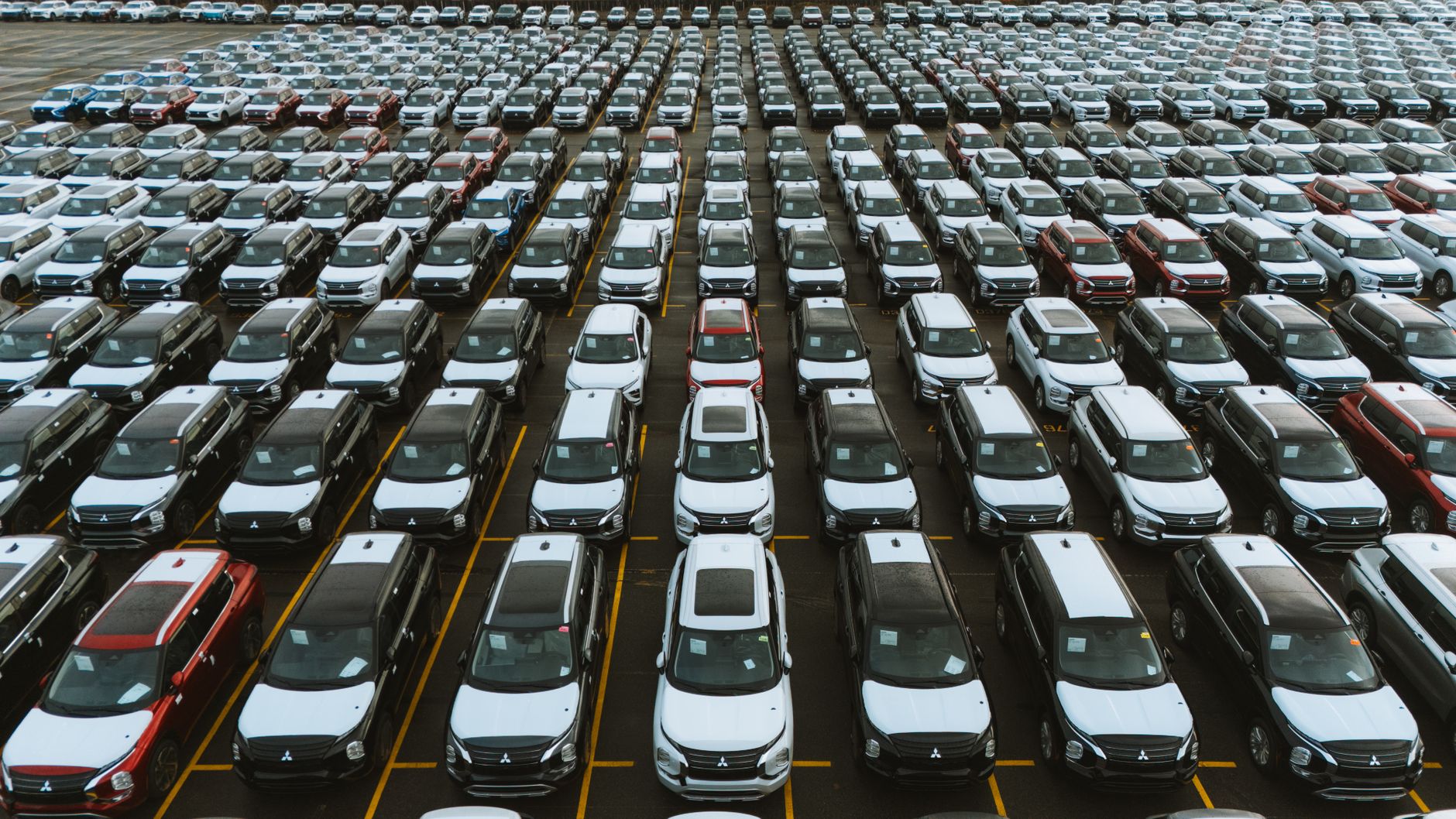
Routing Cybercab sales through transport operators rather than direct consumer channels is a calculated approach. Fleet operators come with their own insurance frameworks, maintenance infrastructure, and – critically – existing relationships with regulators who govern where autonomous vehicles can legally run. Tesla offloads some of the deployment friction by selling into that ecosystem rather than building it from scratch for every individual buyer.
It also compresses the feedback loop. A single transport company running dozens or hundreds of Cybercabs generates operational data far faster than scattered individual owners would. That data – on edge cases, maintenance patterns, software failures – feeds directly back into Tesla’s development pipeline.
Reading the Timeline
End-of-year targets in the autonomous vehicle industry carry a particular kind of skepticism, earned through years of missed milestones across the sector. Tesla itself has announced and then delayed various timelines related to Full Self-Driving and autonomous operations on more than one occasion. A target to begin selling Cybercabs by end of 2026 is not the same as a guarantee that fleets will be operating at scale before midnight on December 31.
At the same time, the specificity of the goal – sales to transport companies, within this calendar year – is more concrete than the vague “coming soon” language that has historically surrounded robotaxi programs. Tesla is naming a window, which creates accountability even if the enforcement mechanism is just public scrutiny.
The regulatory landscape adds another variable. Autonomous vehicle approvals operate on government timelines, not corporate ones. A Cybercab ready for delivery means nothing if the jurisdictions where transport companies operate haven’t cleared the vehicle for driverless commercial use. Tesla and its potential fleet partners would need to navigate that in parallel with any sales process – and that work is either already underway quietly, or it represents a significant hurdle that the 2026 deadline may not fully account for.
What the plan does accomplish, regardless of whether every delivery hits before year-end, is anchor the Cybercab as a near-term commercial product rather than a speculative concept. Transport companies are now being asked to make real purchasing decisions, not just watch demonstration videos. That shift – from audience to customer – is where the actual pressure on Tesla’s autonomous program begins.
Whether any transport company writes a check before December 31, 2026, and what exactly they receive when they do, remains the open question hanging over the entire announcement.