

Paying with Your Face, Literally
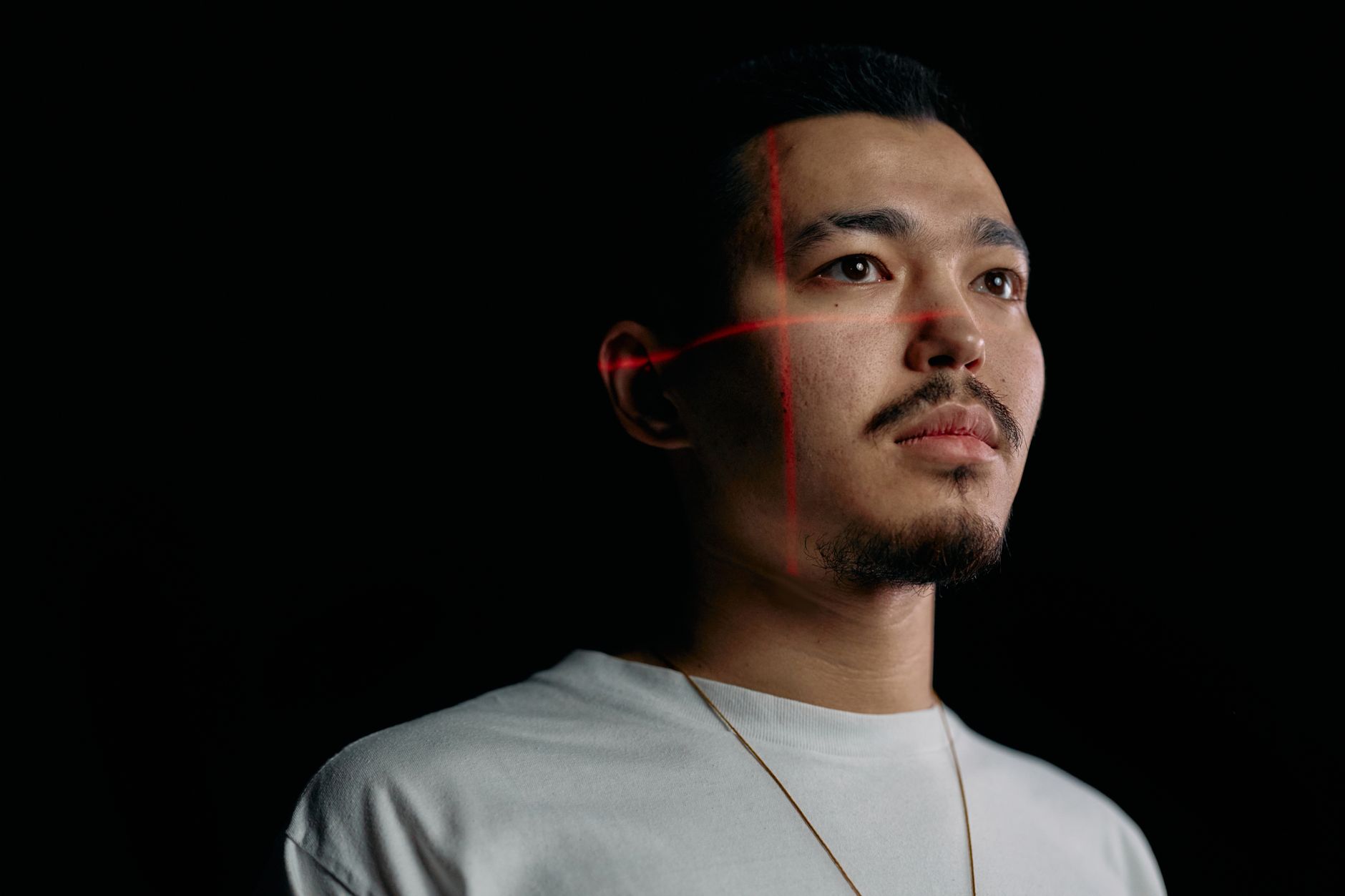
Revolut is running a facial recognition pilot program at physical store checkouts in the United Kingdom, moving the fintech company into territory that sits at the intersection of payment convenience and privacy debate. The trial puts Revolut alongside a small group of companies experimenting with biometric payment systems at the point of sale, where a camera scan replaces the tap of a card or the press of a thumb.
This is not a prototype buried in a lab – it is happening at actual UK retail locations right now.
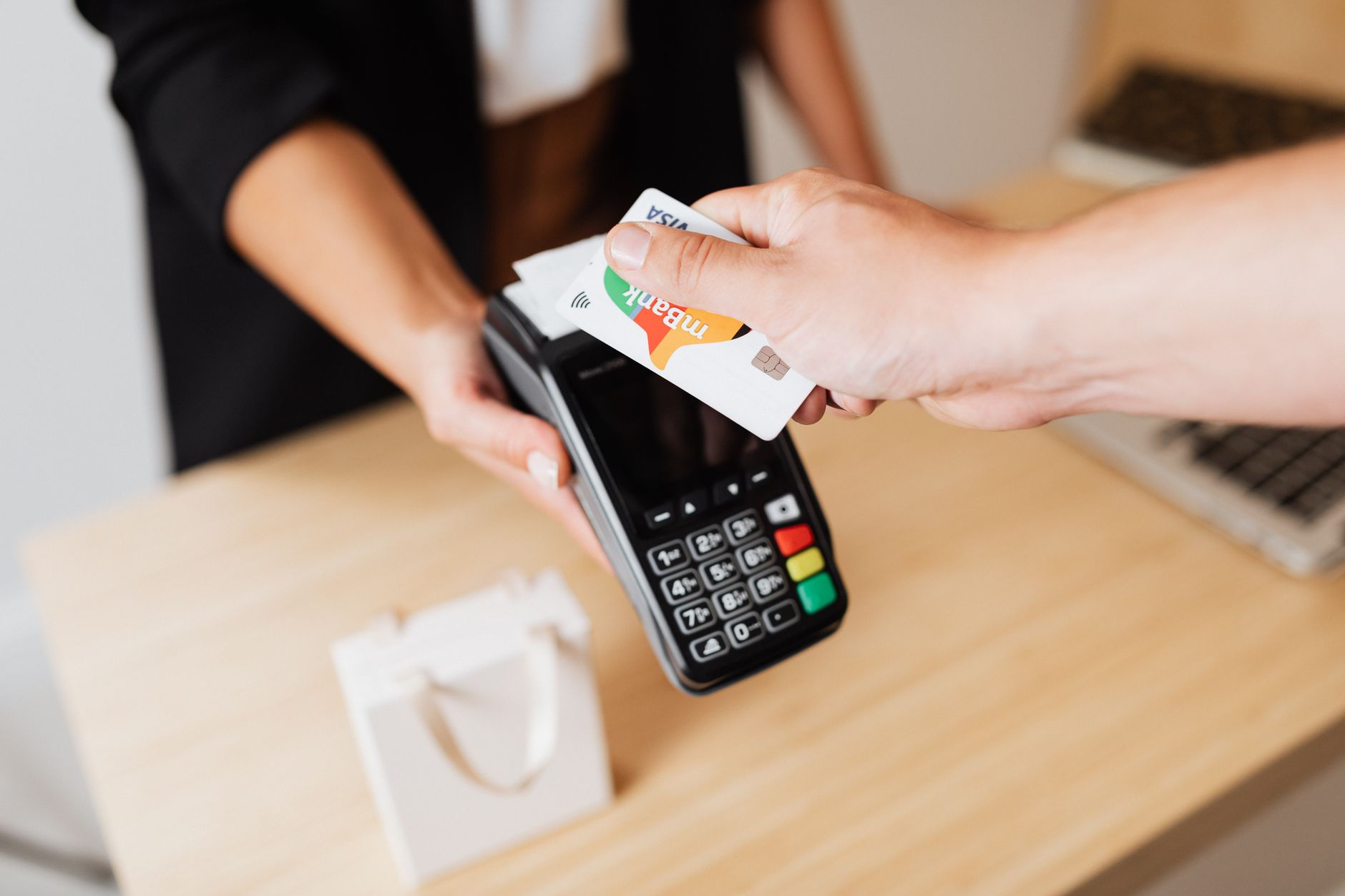
The system works by linking a customer’s face to their Revolut account, allowing the checkout process to complete through identity verification rather than a physical device. Customers who opt in would, in theory, walk up to a register, get scanned, and walk out without reaching for a phone or wallet. The appeal is obvious. So is the concern.
What the Pilot Actually Involves
Revolut has not disclosed which specific UK retailers are participating in the trial, nor has it detailed how many customers are currently enrolled. What is known is that the program is opt-in, meaning shoppers have to actively sign up rather than being enrolled automatically. That distinction matters, both legally under UK data protection frameworks and practically in terms of public trust.
Facial recognition at checkout is not purely a Revolut invention – Amazon experimented with its own biometric payment system, Amazon One, which uses palm scanning rather than facial data. The difference is that face-based recognition carries a heavier burden of public skepticism, largely because faces are captured passively in public spaces in ways that palms are not. Revolut is entering a space where the technology works but the social contract around it remains unsettled.
Revolut has grown into one of Europe’s most prominent fintech companies, with over 50 million customers globally as of recent figures. Expanding into hardware-adjacent services like in-store biometric payments marks a strategic push beyond the app-based banking model the company was built on. Whether the facial recognition pilot feeds into a broader retail payments product or remains a limited experiment depends heavily on how regulators and customers respond over the coming months.
Convenience Against a Complicated Backdrop
The UK’s regulatory environment for facial recognition is in active flux. Law enforcement use of the technology has drawn repeated legal challenges and public criticism from civil liberties groups. Commercial use in retail settings operates under a different legal framework, but it is not immune to scrutiny – the Information Commissioner’s Office has previously warned companies about the high bar required to justify collecting biometric data, which is classified as sensitive personal data under UK GDPR.
For Revolut, timing matters. The company received its UK banking licence in July 2024 after a years-long regulatory process, a milestone that gave it the standing to offer a broader range of financial products to British customers. Launching a facial recognition checkout trial shortly after securing that licence puts the company’s compliance culture under a microscope it has not always welcomed. Past reporting raised questions about Revolut’s internal financial controls, and regulators will be watching how it handles data this sensitive.
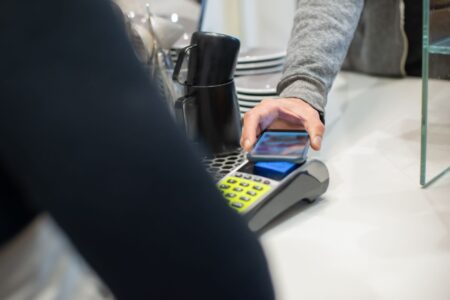
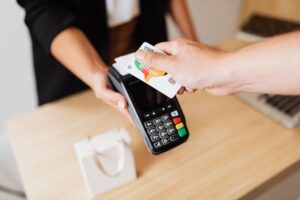
There is also a simpler, user-level question the pilot has to answer: does skipping the card tap actually solve a problem people have? Contactless payments in the UK are already fast, widely accepted, and deeply habitual. Revolut’s facial recognition system has to offer something meaningfully better than tapping a phone or a card to convince customers that handing over biometric data is worth it. Speed alone is unlikely to be enough.
Revolut has not announced a timeline for expanding the pilot or confirmed whether a full rollout is planned. What it has done is stake out a position in a payments arms race where biometric authentication is increasingly the direction of travel – and where the distance between a promising trial and a product that customers actually trust can stretch much further than the distance between your face and a checkout camera.