

A Once-in-a-Century Strike, Caught on Camera
NASA’s Lunar Reconnaissance Orbiter has captured images of a fresh impact crater on the moon measuring 728 feet wide. Craters of that scale form only about once every hundred years, making the find a rare window into the kind of violent geology that still reshapes planetary surfaces without warning.
The discovery came through analysis of images taken by the orbiter, which has been circling the moon and photographing its surface in systematic detail. Spotting a crater of this size in a relatively recent state gives scientists a direct look at what a century-scale impact event actually leaves behind – not as a theoretical model, but as a physical scar still largely unweathered by the slow erosion of micrometeorites and solar wind.
What the Lunar Reconnaissance Orbiter Actually Does
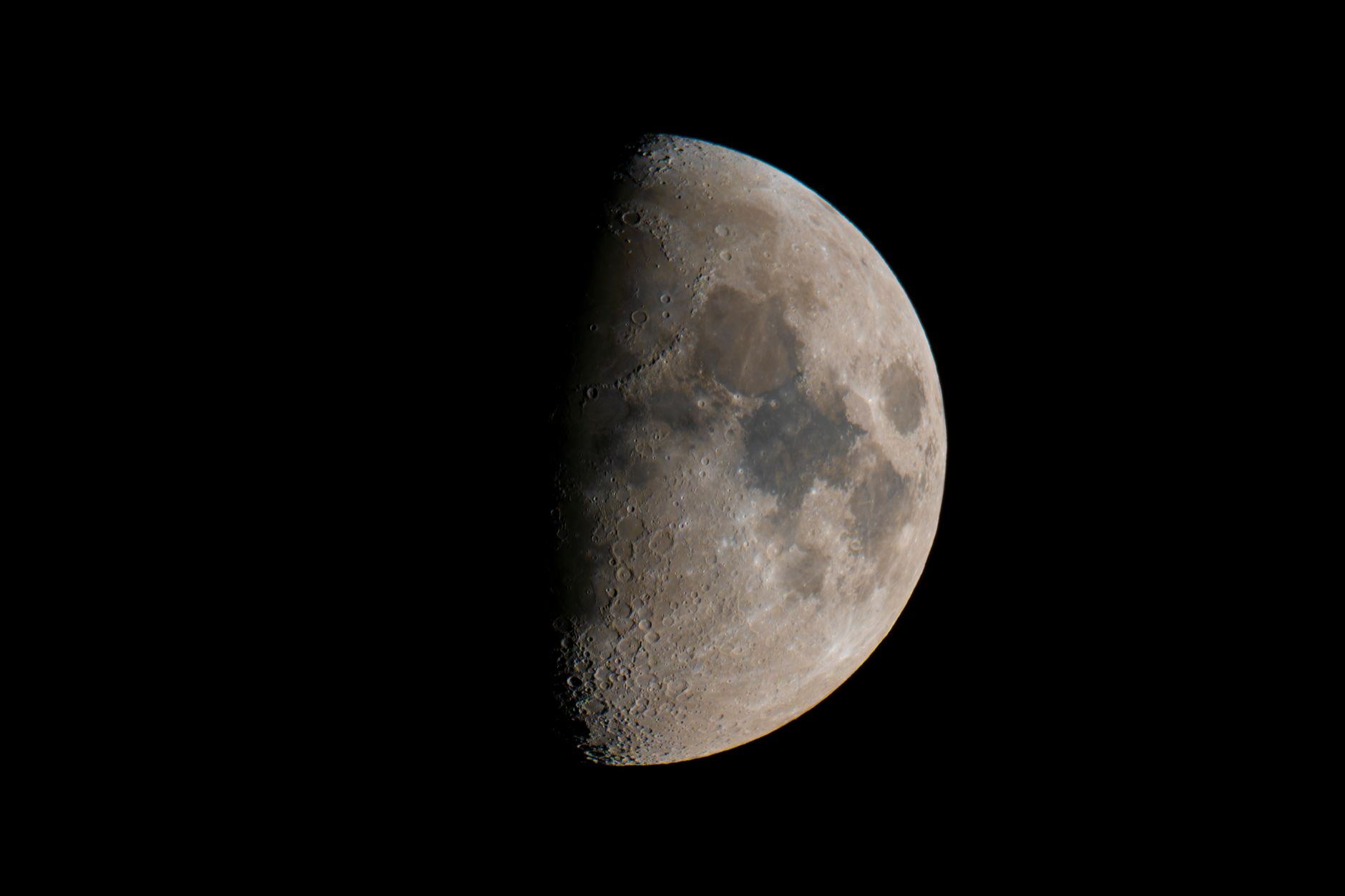
The Lunar Reconnaissance Orbiter, or LRO, has been one of NASA’s most productive planetary science instruments since its launch in 2009. Its cameras map the moon’s terrain at resolutions sharp enough to distinguish features just a few feet across. That level of detail is what makes it possible to detect something as specific as a newly formed crater – the surrounding ejecta pattern and the sharp, unblurred edges of the rim signal that the impact is geologically recent rather than ancient.
Finding a 728-foot crater in a fresh state is not a routine discovery. The moon accumulates new craters constantly from smaller debris, but most of those are modest in scale. A crater nearly a quarter-mile across requires an impactor large enough that events of that magnitude happen only on century-long timescales. The LRO’s ongoing imaging campaigns make it possible to compare the same regions of the moon over time and flag changes – which is precisely how an event this significant gets detected rather than overlooked in the existing cratered landscape.
Reading the Moon’s Surface Like a Timeline
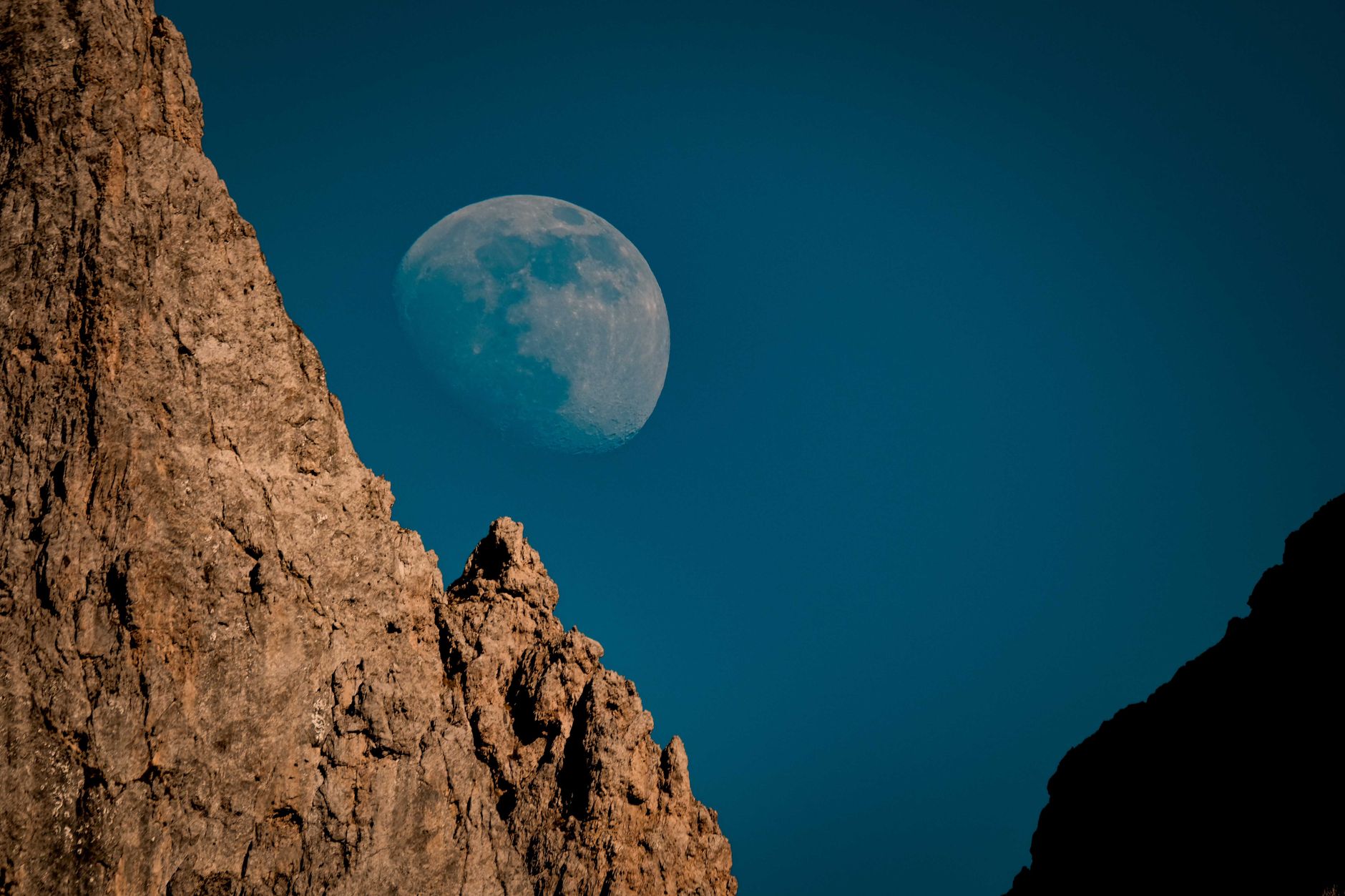
The moon lacks the atmospheric protection that burns up most incoming debris before it reaches Earth’s surface. Every rock or chunk of metal that crosses its path hits at full force, and the resulting craters preserve a record of impact history going back billions of years. Older craters show rounded, softened profiles from billions of years of subsequent microimpacts layering fine debris across them. A crater that forms today looks strikingly different – sharp-edged, bright ejecta rays extending outward across darker surrounding terrain.
That brightness contrast is one of the primary tools researchers use to estimate crater age. Fresh lunar craters expose subsurface material that hasn’t been darkened by prolonged exposure to the space environment, a process called space weathering. Over time, solar radiation and particle bombardment gradually darken the exposed rock until it blends with the surrounding surface. The 728-foot crater’s condition in the LRO images places it well within the recent end of that spectrum.
The ejecta thrown outward during an impact of this scale can travel significant distances across the lunar surface, sometimes hundreds of miles. The pattern of that scattered material tells researchers roughly what direction the impactor came from and at what angle it struck, adding data points to the broader picture of where debris in the inner solar system originates and how it moves. Each large crater is, in a sense, a frozen record of a collision that took less than a second to complete but encodes information that planetary scientists can read for decades.
Impacts on this scale also raise questions about what a comparable strike would mean closer to home. Earth’s atmosphere handles smaller objects routinely, but a projectile large enough to gouge a 728-foot crater into lunar rock would present a very different scenario if it were on an intersecting path with Earth. The moon’s surface, precisely because it doesn’t erase its record the way Earth does through weather and tectonics, serves as a long-term ledger of the impact environment the entire Earth-Moon system has been moving through.
The Hardware Behind the Find
The Lunar Reconnaissance Orbiter carries a suite of instruments, but the camera system – known as LROC, the Lunar Reconnaissance Orbiter Camera – is central to discoveries like this one. It operates in two modes: a narrow-angle camera capable of the high-resolution imaging used to characterize crater morphology, and a wide-angle camera that captures broader context. The combination allows researchers to locate a feature in regional context and then zoom into fine structural detail.
The orbiter has now been operating for well over a decade, accumulating one of the most complete photographic surveys of any planetary body in the solar system. That archive is what makes comparisons possible – researchers can pull earlier imagery of a given location and determine whether a feature visible today was absent before, establishing a rough formation window for something like a new crater.
A Crater That Puts the Moon’s Geology Back in Motion
There’s a tendency to think of the moon as static – a finished object that just hangs in the sky unchanged. This crater, 728 feet across and formed within a timeframe humans can actually relate to, cuts against that assumption directly. The surface is still being actively sculpted, just on timescales that don’t align neatly with human observation spans.
The century-scale rarity of an impact this size means that whoever first identified this crater in the LRO’s imagery was almost certainly looking at something no human instrument had ever documented at this scale before in real time. Whether there are signs of even more recent, smaller impacts waiting in the archive of LRO images that haven’t yet been analyzed is a question the data itself will eventually answer.