



One Bar, Two Jobs
The Bose Lifestyle Ultra Soundbar arrives with an argument built into its design: that a single unit can handle both home theater audio and music playback without leaning on a subwoofer to get the job done.
What the Lifestyle Ultra Is Actually Doing
Most soundbars in this category make a quiet admission somewhere in their setup guide – you’ll want to add a subwoofer for “the full experience.” Bose is taking a different position with the Lifestyle Ultra, engineering the bar itself to produce enough low-end response that a standalone subwoofer isn’t a requirement. That distinction matters when you’re buying into a premium product and don’t want to immediately start calculating what else you need to purchase.
The dual-purpose angle – TV audio and music speaker in one – isn’t a new pitch for the soundbar market, but Bose is staking out a specific position: that this bar doesn’t need supporting hardware to justify its place in your living room. Whether you’re watching a film or streaming a playlist, the Lifestyle Ultra is meant to function as the complete solution rather than a foundation for a larger system.
The bass situation deserves particular attention because it’s where so many soundbars fall flat or mislead buyers. A bar that produces “adequate” low-end without a subwoofer is doing something genuinely difficult. Drivers and enclosure design have to work harder to compensate for the absence of a dedicated woofer. Bose’s engineering here is aimed squarely at that gap – keeping the footprint of your setup minimal while not sacrificing the weight that movie soundtracks and bass-heavy music demand.
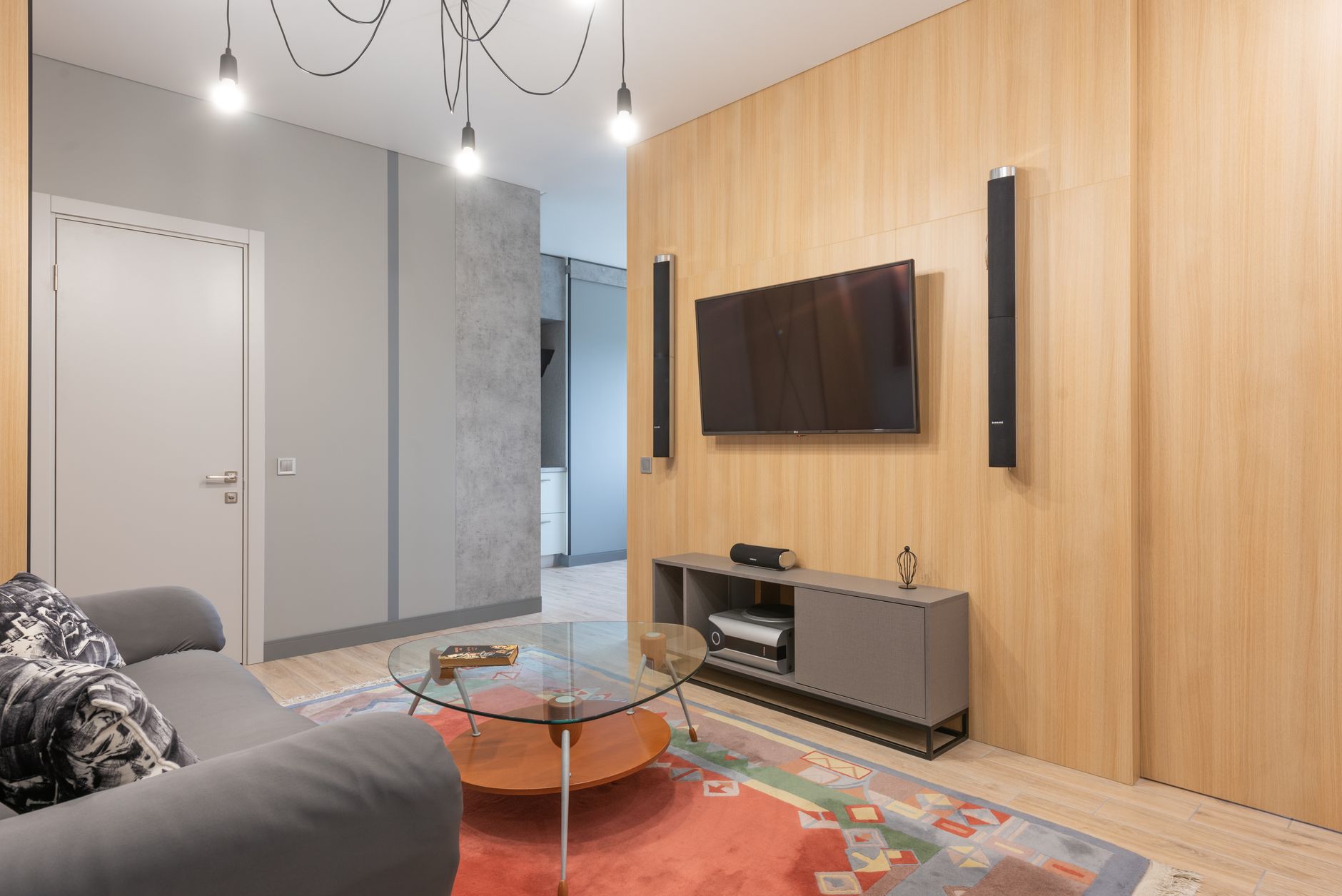
For buyers who want a clean, single-component audio setup – no separate subwoofer pushed into a corner, no satellite speakers wired across the room – the Lifestyle Ultra positions itself as the answer. That kind of setup discipline is increasingly what people in smaller apartments or design-conscious living spaces are looking for, and Bose is explicitly targeting that preference.
Performance Across Two Use Cases
Running a soundbar through both TV and music duties in the same household is where the real-world picture gets complicated. A bar tuned primarily for dialogue clarity and cinematic dynamics can sound thin or overly processed when you switch over to a music source. The Lifestyle Ultra’s dual-purpose design means Bose has had to balance equalization and driver behavior across two very different listening contexts.
On the home theater side, the bar handles the kind of wide dynamic range that streaming services and Blu-ray content demand. Explosions, ambient sound design, vocal clarity during quiet dialogue scenes – these are the checkboxes a dedicated home theater soundbar has to hit. The Lifestyle Ultra is built with that list in mind, and without a subwoofer dependency, the low-frequency handling becomes one of its more closely watched performance areas.
Music playback introduces a different set of demands. Stereo imaging, instrument separation, midrange warmth – these qualities can get lost in soundbars that process everything through a home theater filter. Bose’s history with headphones and portable speakers gives the brand a credible starting point for music reproduction, and that background likely informed how the Lifestyle Ultra was tuned for non-cinematic listening.
The absence of a required subwoofer does not mean the bar produces no bass – it means the bass it produces is sufficient on its own. That’s an important distinction. Buyers who want room-filling, floor-shaking low end will still find a subwoofer worthwhile if they add one later. But for standard residential listening volumes, the Lifestyle Ultra’s internal bass handling is designed to be enough.
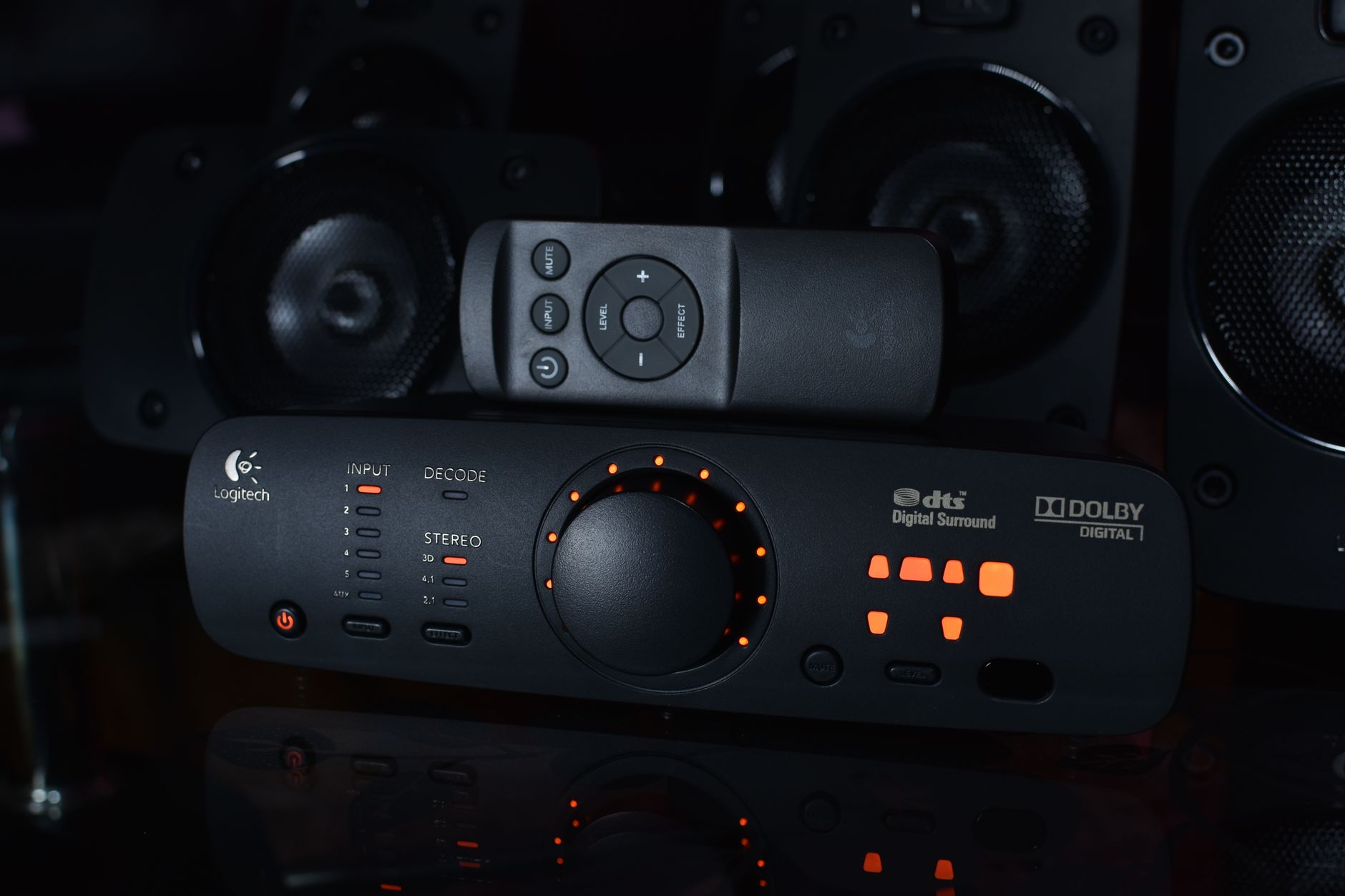
Setup and integration are part of the value equation here too. A soundbar that doubles as a music speaker means fewer input sources, fewer remotes, and a shorter chain between the listener and the sound. Bose’s ecosystem – including whatever connectivity and app support the Lifestyle Ultra carries – is part of why the brand charges premium prices. Buyers are paying for hardware performance and for a system that doesn’t require technical patience to configure.

Who This Bar Is Actually For
The Bose Lifestyle Ultra Soundbar makes the most sense for someone who wants high-quality audio across both TV and music without building a multi-component setup. It won’t satisfy audiophiles who want dedicated, specialized hardware at every stage of the signal chain – but it’s not aimed at them. It’s aimed at the buyer who wants a serious-sounding bar that handles everything in one box, and whose living room doesn’t have space or tolerance for a subwoofer wedged underneath the TV stand.
The question the Lifestyle Ultra puts on the table is whether a single soundbar – regardless of brand or engineering – can genuinely replace a proper home theater system for everyday use. Bose is betting the answer is yes, at least for the majority of buyers in this segment. What’s worth watching is how the bar holds up on bass-heavy material at higher volumes, where the absence of a dedicated subwoofer becomes the most audible variable in the room.