

A Silent Update With Loud Consequences
Amazon has pushed a change to older Echo speakers that affects how their AUX input ports work, leaving owners of those devices with fewer options for managing their home audio setups.
What Actually Changed and Which Devices Are Affected
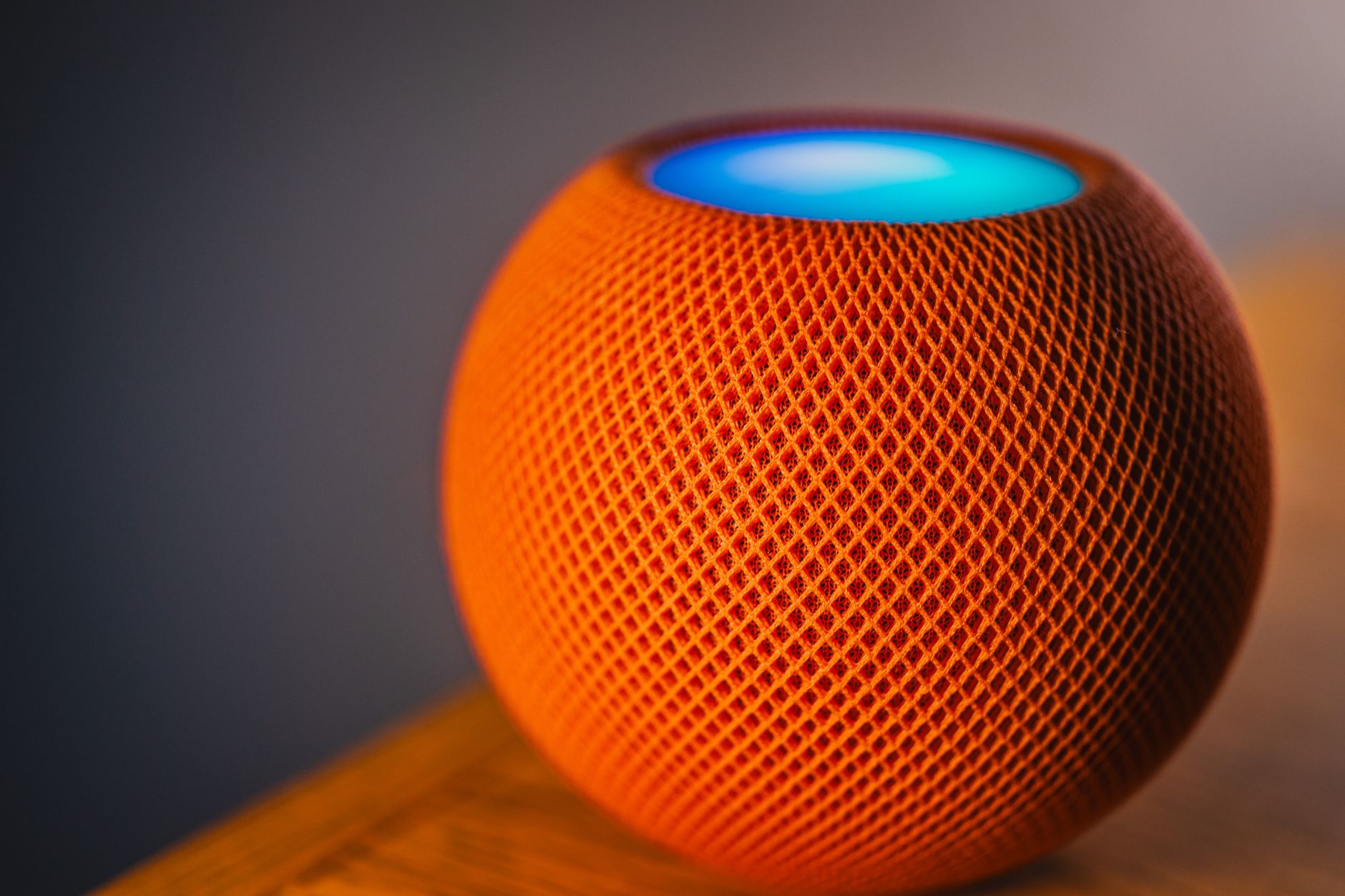
The change targets older Echo devices – specifically those that shipped with a physical AUX port. These speakers were popular in part because that port gave owners flexibility: plug in a turntable, connect a separate speaker, run audio from another source through the Echo’s processing chain. That kind of analog bridge between older hardware and Amazon’s ecosystem made the Echo feel like a genuine home audio hub rather than a closed-off smart speaker. That flexibility is now reduced.
Amazon made the adjustment quietly, without a prominent announcement or advance notice to affected device owners. There was no opt-in, no staged rollout with user feedback, and no explanation published to a help page before the change went live. Owners discovered the difference after the fact – the kind of product experience that turns a neutral customer into a vocal one on forums and subreddits dedicated to smart home hardware.
The AUX port still exists physically on these Echo models. It has not been disabled entirely. But the range of things it can do has been narrowed by the software update, making it less useful as a general-purpose audio input for people who built their listening setups around that capability.
Amazon has not issued a public statement walking through the technical or business rationale behind the decision. That silence makes it difficult to know whether this is a cost-saving measure on the backend, a licensing issue tied to audio processing, a deliberate push toward newer Echo hardware, or something else entirely.
Why This Matters for People Who Actually Own These Speakers
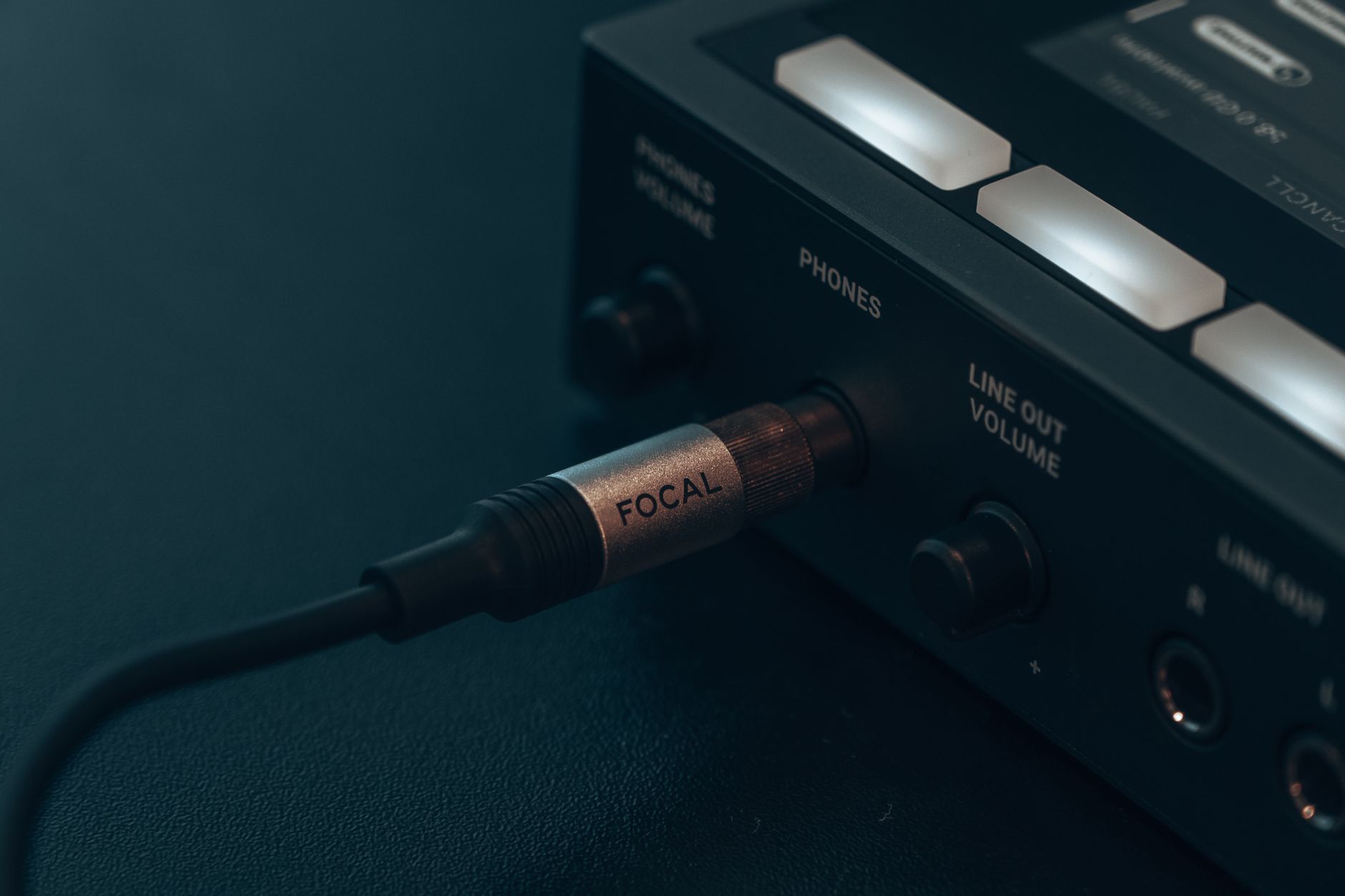
For casual Alexa users who mainly ask about weather and set kitchen timers, this change probably registers as nothing. But a meaningful portion of older Echo buyers specifically chose those models because of the AUX port. They are the users who connected record players, who ran audio from older televisions through the Echo, or who used the port to integrate the Echo into a larger speaker arrangement without buying additional hardware. For that group, this is not a minor inconvenience – it’s a functional downgrade delivered without consent to a device they already paid for.
This is a recurring tension in the smart device market: the product you buy at the point of sale is not necessarily the product you will own six months later. Software updates change behavior, remove features, or add restrictions based on decisions made by the manufacturer long after the purchase. Amazon has done this before with Echo devices – routine updates have occasionally altered how third-party skills work, changed wake word sensitivity, or modified audio equalization settings. Most of those changes were minor. This one hits something more structural.
The AUX port was, for many users, the reason they chose a specific Echo model over one that lacked the port. Removing or restricting that functionality retroactively shifts the value calculation on the original purchase. If someone bought an Echo specifically for its audio connectivity, they now have a speaker that delivers less of what they paid for. That is not a hypothetical user – it is a documented segment of Echo buyers who chose accordingly.
There is also a broader signal here about where Amazon sees its older hardware fitting into its product strategy. Echo devices from earlier generations are no longer being sold new, which means they do not generate direct revenue. Amazon’s incentive to maintain full functionality on those models is commercially weaker than its incentive to push users toward current-generation devices that do generate margin. Whether or not that is the intent behind this change, the effect tilts in that direction.
Users who relied on the AUX input for a specific setup now face a choice: accept a degraded experience, reconfigure their audio arrangement without the Echo as a central hub, or replace the Echo with current hardware – which is, of course, the outcome that benefits Amazon most directly. None of those options involve getting back what they had before the update.

What Owners Can Actually Do About It
Rolling back a firmware update on an Echo device is not a supported option. Amazon controls the update pipeline, and older Echo hardware does not offer users a way to pin to a previous software version. Short of replacing the device, affected owners are largely stuck with the changed behavior.
The more pointed question is whether any of this was disclosed at purchase – in the product listing, the terms of service, or the warranty documentation. Smart device terms almost universally reserve the manufacturer’s right to modify functionality via update, which means Amazon is almost certainly acting within its legal rights. But the gap between what the fine print permits and what a reasonable buyer expects when they hand over money for a physical product with a labeled AUX port remains wide enough to drive a truck through.