



The Dallas Cowboys’ AT&T Stadium just installed a 25,000-square-foot transparent LED display system that transforms their field into a digital canvas during halftime shows. Fans watched in amazement as virtual waterfalls cascaded across the turf while players walked through seemingly solid holograms. This isn’t science fiction – it’s the latest trend sweeping major sports venues worldwide.
Transparent LED technology allows stadiums to overlay digital content directly onto playing fields without blocking spectators’ views. Unlike traditional jumbotron screens mounted high above crowds, these systems create immersive experiences that blend physical and digital worlds seamlessly.
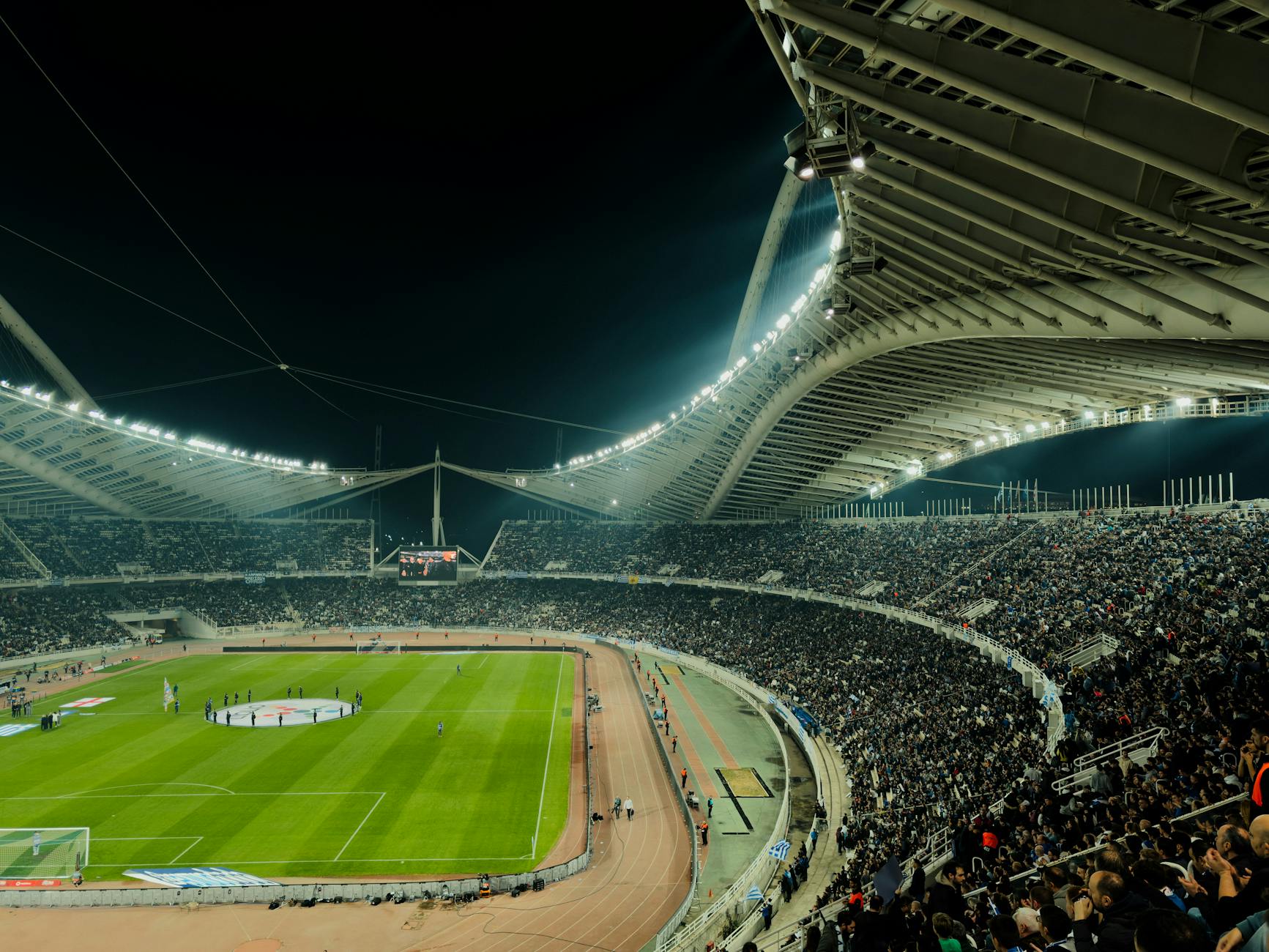
The Technology Behind Field-Level Digital Displays
Transparent LED displays use microscopic light-emitting diodes arranged in a grid pattern with gaps between them. These gaps allow natural light to pass through while the LEDs create visible images when activated. The transparency rate typically ranges from 60% to 90%, meaning viewers can see both the digital content and what’s behind the screen simultaneously.
Major manufacturers like LG, Samsung, and Shenzhen-based Unilumin have developed stadium-specific versions of this technology. These displays can withstand weather conditions, vibrations from crowd noise, and the physical demands of sporting events. Installation requires embedding the LED panels into retractable systems that can be deployed during entertainment segments and retracted during live play.
The resolution and brightness capabilities have reached broadcast-quality standards. Modern transparent LED systems can display 4K content visible in full daylight, making them practical for afternoon games and outdoor events. Processing power comes from sophisticated media servers that can render real-time graphics, live video feeds, and augmented reality effects.
Revenue Generation Through Enhanced Fan Experiences
Sports venues are investing millions in transparent LED systems primarily for their revenue potential. These displays create premium sponsorship opportunities that traditional advertising boards cannot match. Brands can integrate their products directly into halftime performances, making Coca-Cola logos appear to float above the field or having car commercials drive virtual vehicles across the turf.
Season ticket sales have reportedly increased at stadiums using this technology. The Los Angeles Rams’ SoFi Stadium uses transparent displays to create themed pre-game shows that change based on opponents or special events. During their playoff run, the system projected snowfall effects for winter-themed games and thunderstorm visuals for dramatic entrances.
Naming rights deals have also expanded to include digital experiences. Corporate sponsors can now purchase not just stadium naming rights but also specific visual effects packages. This creates multiple revenue streams from single partnerships, similar to how major museums are installing augmented reality exhibition guides to enhance visitor experiences while generating additional income.
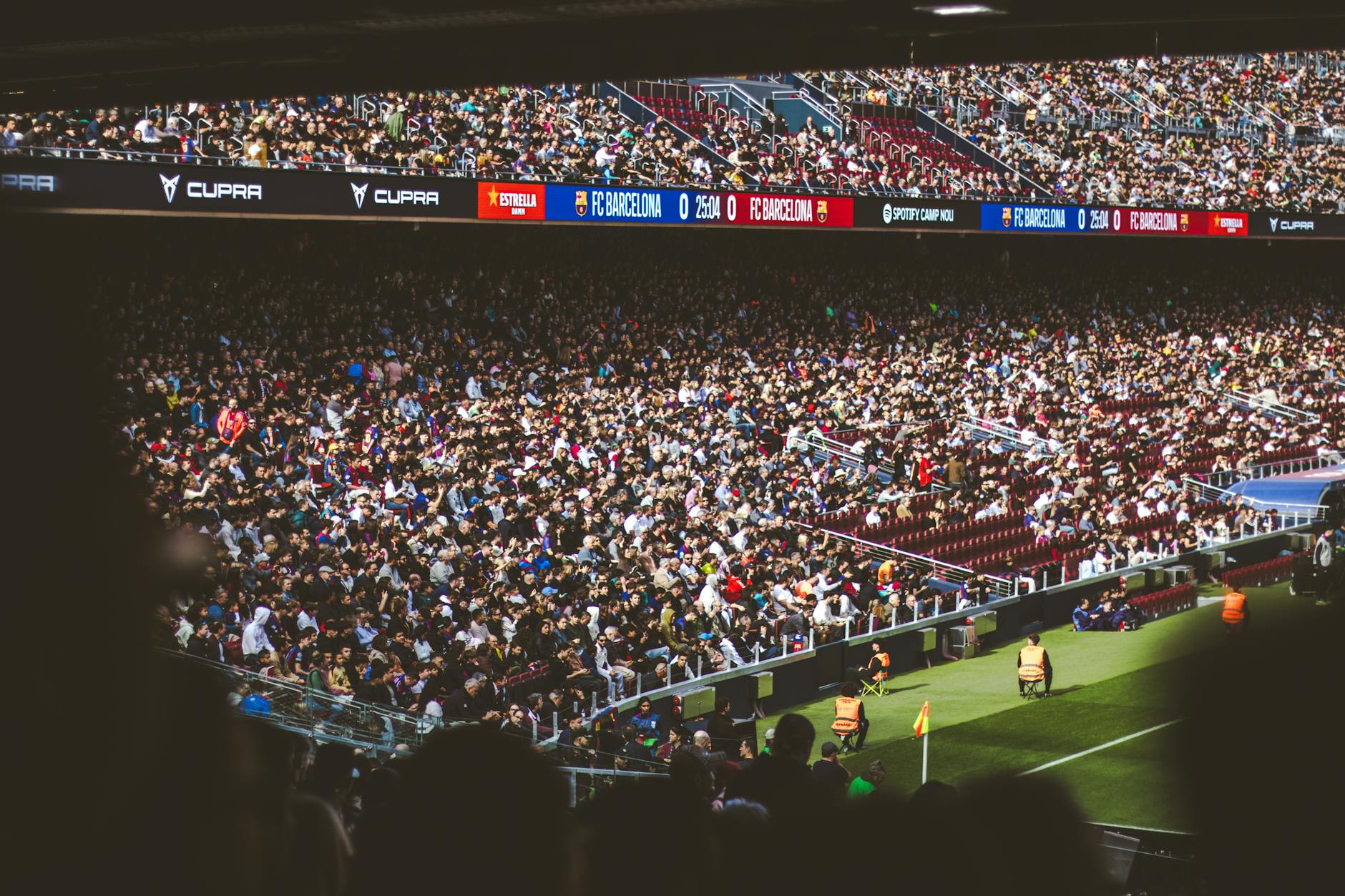
Food and beverage sales increase during extended halftime shows featuring transparent LED performances. Fans stay in their seats longer when entertained by immersive digital content, leading to higher concession revenue. The Mercedes-Benz Stadium in Atlanta has measured 15% higher per-fan spending during games featuring transparent display entertainment.
Broadcasting and Media Integration Advantages
Television broadcasters gain significant production value from transparent LED field displays. Networks can coordinate with stadium systems to create seamless transitions between live action and commercial breaks. ESPN has started incorporating stadium LED effects directly into their broadcast graphics, creating unified viewing experiences for home audiences.
Live streaming platforms benefit even more dramatically. Amazon Prime Video’s Thursday Night Football coverage uses transparent LED content as supplementary visual elements for their streaming interface. Viewers can see both the stadium’s digital effects and Prime’s additional statistical overlays simultaneously.
Social media content creation has exploded around these displays. TikTok and Instagram users create viral content by positioning themselves to interact with the transparent LED visuals. This organic marketing provides stadiums with millions of dollars worth of free promotion across social platforms.
Player introductions have become elaborate productions. The Golden State Warriors’ Chase Center uses transparent displays to create personalized entrance effects for each player, generating shareable moments that extend far beyond the game itself. These clips regularly receive millions of views across social media platforms.
Technical Challenges and Implementation Costs
Installing transparent LED systems requires significant infrastructure modifications. Stadiums must upgrade their electrical systems to handle the power demands, which can exceed 500 kilowatts for large installations. HVAC systems also need enhancement to manage heat generated by thousands of LED modules.
Maintenance represents an ongoing challenge. Individual LED modules can fail during events, requiring rapid replacement protocols. Many stadiums now employ full-time LED technicians and maintain extensive spare parts inventories to minimize downtime.
Weather protection systems add complexity and cost. Transparent displays must withstand rain, snow, and extreme temperatures while maintaining image quality. Retractable housing systems protect the equipment when not in use but require precise engineering to deploy quickly during events.
Content creation demands specialized expertise. Stadiums need teams of digital artists, programmers, and technicians to produce the custom visuals that make transparent LED systems worthwhile. This ongoing operational expense can exceed the initial hardware investment over time.
The Future of Stadium Digital Integration
Transparent LED technology will likely become standard equipment in new stadium construction within the next decade. Current installations are proving their value through increased attendance, higher revenue per fan, and enhanced broadcast appeal. Early adopters are already planning expansion projects to cover larger field areas and add ceiling-mounted systems.
Integration with artificial intelligence and real-time data processing will create more dynamic experiences. Future systems may automatically generate visual effects based on game momentum, weather conditions, or crowd energy levels. Machine learning algorithms could optimize content timing to maximize fan engagement and sponsor visibility.
As manufacturing costs decrease and installation expertise grows, smaller venues will adopt scaled-down versions of this technology. College stadiums, minor league ballparks, and even high school facilities may soon feature transparent LED systems as the technology becomes more accessible and affordable.
Frequently Asked Questions
How do transparent LED displays work in stadiums?
They use microscopic LEDs arranged in grids with gaps that allow natural light through while displaying digital content over playing fields.
Why are stadiums investing in this expensive technology?
These systems create premium sponsorship opportunities, increase ticket sales, and enhance broadcast value for television and streaming partners.