



Three Decades of Shrinking Focus
Gloria Mark has spent 30 years watching people slowly lose their grip on their own attention. A psychologist at the University of California, Irvine, she set up what she calls “living laboratories” – using sensors and trackers to monitor adult volunteers’ attention, mood, and behavior while they used digital devices. What she found was a steady, measurable decline that tracks almost perfectly with the spread of consumer technology into daily life. When she sat down at SXSW London this week to discuss her findings, the session was titled “Have we lost control of our brains?” Her answer was unambiguous: yes.
The numbers she has collected over two decades are difficult to dismiss.
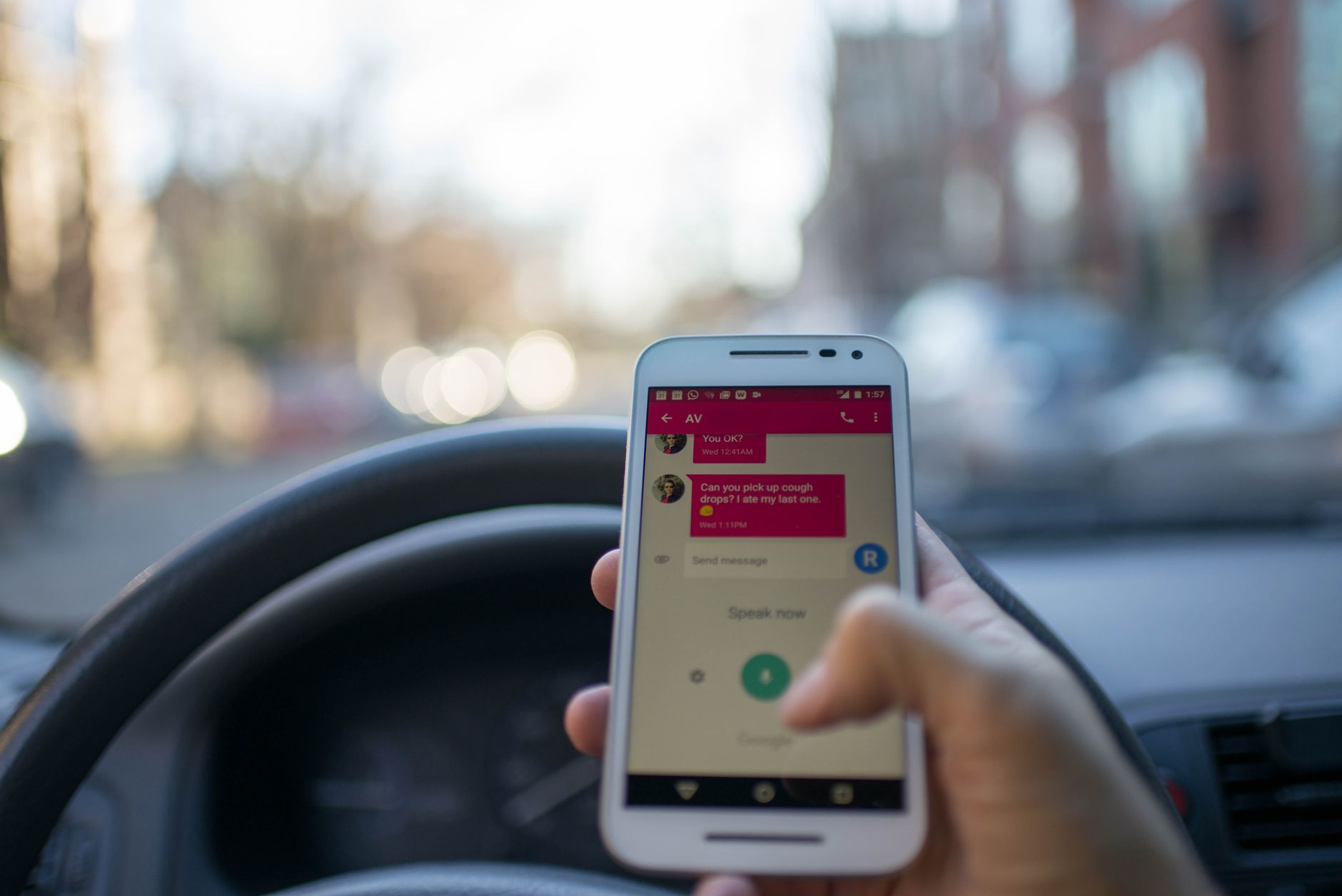
In 2003, Mark measured the average adult attention span at roughly two and a half minutes – the amount of time a person could stay focused on a single task before switching to something else. She described even that figure as surprising at the time. By 2012, the average had dropped to around 75 seconds. In research conducted between 2014 and 2020, it fell further still, bottoming out at 47 seconds. Each measurement used the same methodology, making the trend hard to attribute to experimental variation. Something in how people relate to their screens has genuinely changed, and it has changed fast.
Stress, Performance, and the Cost of Constant Switching
Mark’s research goes beyond simple time-on-task measurements. In one line of experiments, participants wore heart rate monitors while using devices, and the data showed a direct correlation between rapid attention-switching and elevated stress levels. The more frequently someone shifted focus, the higher their stress response climbed. This matters because attention-switching is not a neutral act – it carries a physiological cost that accumulates across a workday.
Performance takes a hit alongside well-being. Mark is direct about this: switching attention repeatedly makes any individual task take longer to complete, and it degrades the quality of emotional experience at the same time. “It’s not great for performance. It’s not great for our emotional well-being,” she said during Wednesday’s session at SXSW London. The mechanism is not complicated. Every time the brain reorients to a new task, it spends cognitive resources re-establishing context. Do that dozens or hundreds of times a day, and the cumulative drag becomes significant.
What remains an open question is whether this pattern is simply an adaptation – a recalibration of how human attention works in a high-stimulus environment – or whether it represents genuine cognitive damage. Mark’s position leans toward concern rather than neutrality, given the stress data. But the research has not yet drawn a firm line between changed behavior and lasting harm to adult cognitive function.

Children, Lawsuits, and a 20-Year Evidence Gap
The stakes shift considerably when the subjects are children rather than adults. Meta, which owns Facebook and Instagram, and Google’s YouTube were ordered earlier this year to pay millions of dollars in damages to a 20-year-old woman who accused both companies of producing products that led her to develop a childhood addiction. Just weeks ago, Meta settled a separate lawsuit brought by a rural school district in Kentucky, which accused the company of designing addictive products harmful to students and had sought more than $60 million to cover mental health costs. Approximately 1,200 other school districts have filed similar legal actions against social media companies.
Despite the volume of litigation, the underlying science on children remains unsettled. Mark is careful on this point, noting that while many studies exist, the evidence to date is inconclusive – a position that cuts against some popular narratives built around best-selling books on the subject. Social media is not uniformly harmful to young users. A 2024 survey of LGBTQ+ teenagers found that while some described platforms as places of rejection and fear, others found belonging, friendship, and space to develop their identity. The technology lands differently depending on who is using it and how.
Australia enacted a social media ban for users under 16 at the end of 2024, and Mark sees the resulting large-scale, long-term study that will emerge from that policy as potentially valuable. A 20-year-old technology still hasn’t produced definitive answers about its effects on child development – which is worth holding in mind as a far younger technology begins embedding itself into daily life at comparable speed.
AI Enters a Brain Already Under Strain
Artificial intelligence chatbots are arriving into this environment – one where human attention has already been compressed by two decades of smartphones and social media. The concern is not simply that AI represents another distraction. It’s that AI tools, unlike passive social feeds, actively perform cognitive tasks on behalf of users: drafting text, synthesizing information, generating answers. Where earlier technologies shortened attention spans by pulling focus away from tasks, AI may alter the relationship with cognitive effort itself. If the brain stopped sustaining long attention spans because constant interruption made it unnecessary to do so, the question becomes what happens when sustained thinking is outsourced rather than merely interrupted.
Mark’s research framework – built around tracking what happens to attention and stress as new digital tools become ubiquitous – is directly applicable here. The pattern from 2003 to 2020 suggests that each wave of technology adoption produces measurable cognitive effects that only become visible years later. By the time researchers have longitudinal data on AI chatbot use, the technology will already be deeply woven into how millions of people work, learn, and communicate. That is precisely how it went with social media, and the evidence base on children’s social media use is still described as inconclusive more than 20 years in.
At SXSW London this week, the question framing the session – “Have we lost control of our brains?” – was answered with a yes before AI was even factored in. The 47-second attention span Mark documented between 2014 and 2020 predates the mass adoption of large language models. Whatever the next measurement shows, it will be taken in an environment where AI chatbots didn’t exist when the baseline was set.