



Target just announced plans to install vertical farming towers in the parking lots of 15 stores across California and Texas. The retail giant joins Walmart, Kroger, and IKEA in transforming unused asphalt into high-tech food production facilities that could reshape how Americans think about fresh produce.
These aren’t small herb gardens tucked into corners. Target’s towers stand 30 feet tall, producing up to 2,000 pounds of leafy greens monthly using LED lighting systems and hydroponic technology. The pilot program represents a broader shift as major retailers seek new revenue streams while addressing supply chain vulnerabilities exposed during recent disruptions.
The Technology Behind Parking Lot Agriculture
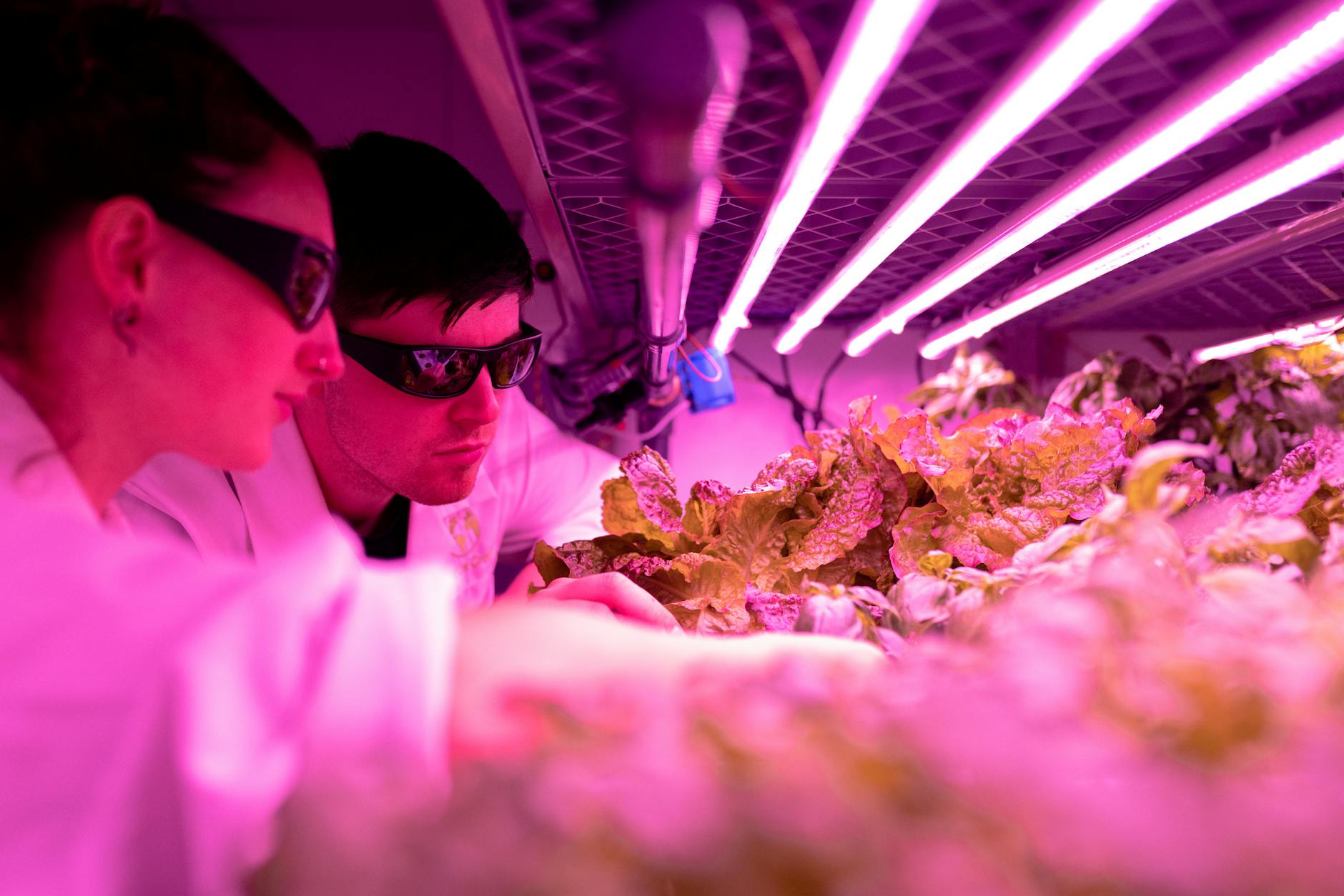
Vertical farming companies like AeroFarms, Plenty, and Bowery Farming are partnering with retailers to install automated growing systems that require minimal human intervention. These facilities use 95% less water than traditional farming while producing crops year-round regardless of weather conditions.
The towers employ controlled environment agriculture (CEA) technology, maintaining precise temperature, humidity, and nutrient levels. LED arrays provide specific light spectrums optimized for plant growth, while sensors monitor everything from pH levels to air circulation. Most systems can harvest lettuce, spinach, kale, and herbs in 14-21 days compared to 30-70 days in traditional soil farming.
Walmart has operated vertical farms at several Supercenters since 2022, initially partnering with Plenty to grow leafy greens in climate-controlled shipping containers. The retailer reports that customers show strong preference for locally-grown produce, even when it costs 10-15% more than conventional alternatives.
IKEA took a different approach, installing vertical farming systems inside select stores as part of their sustainability initiatives. The Swedish furniture giant uses the farms as both food production and customer education tools, demonstrating sustainable living concepts while supplying their in-store restaurants with fresh herbs and microgreens.
Economic Drivers Behind the Trend
Retailers face mounting pressure from rising transportation costs and unpredictable supply chains. Producing food on-site eliminates trucking expenses and reduces the time between harvest and sale, extending shelf life and reducing food waste.
The numbers support the investment. Traditional farming loses approximately 40% of produce during transportation and storage, while vertical farms located at retail sites can deliver harvested greens to shelves within hours. This efficiency translates to higher profit margins despite the initial technology investment.
Labor shortages in agriculture also drive retail interest in automated farming systems. California’s agricultural sector alone faces worker shortages exceeding 15%, pushing up prices and creating supply inconsistencies. Vertical farms require fewer workers and offer year-round employment in climate-controlled environments.
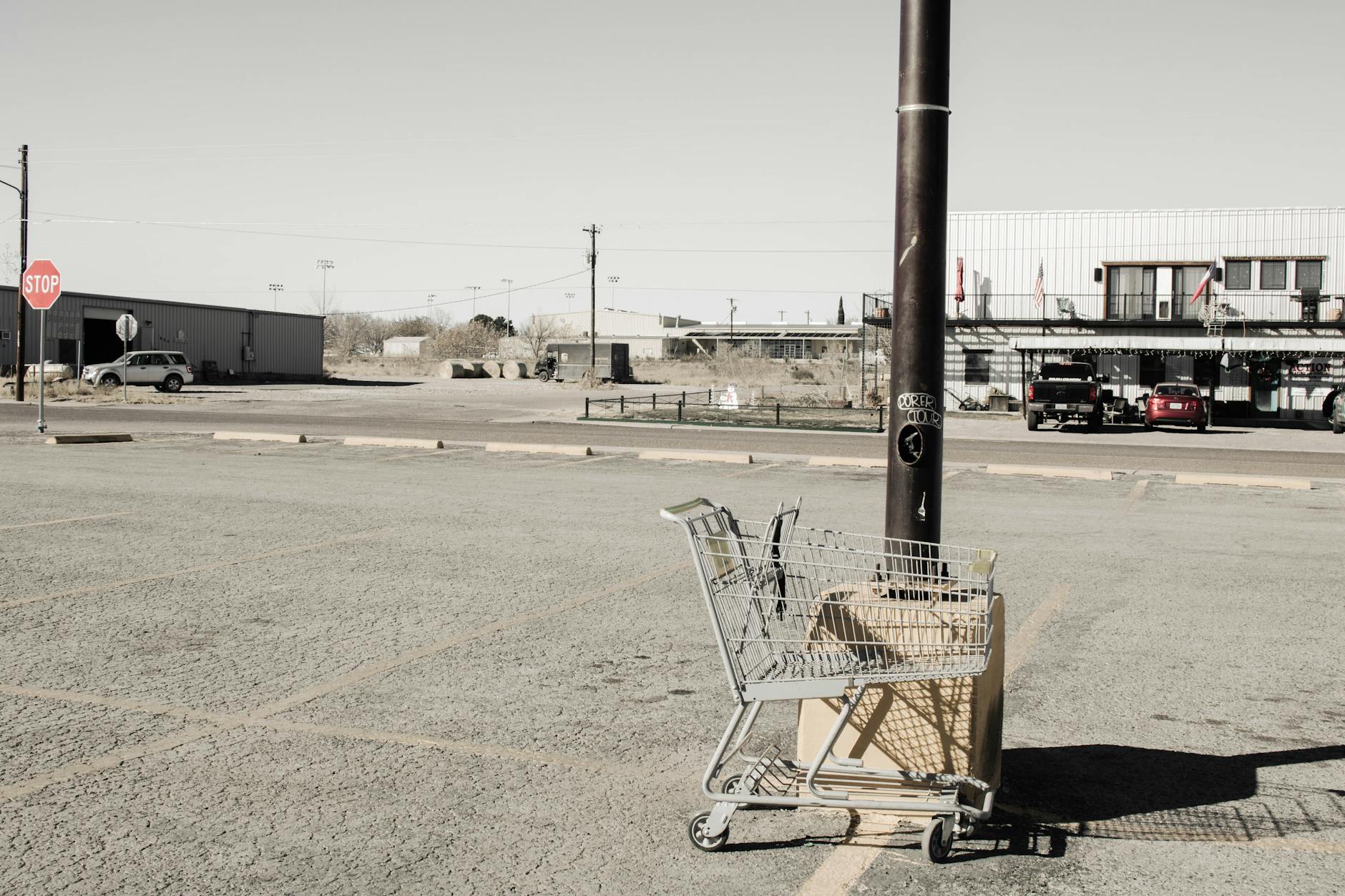
Real estate considerations play a significant role. Many retail parking lots sit half-empty as e-commerce reshapes shopping patterns. Converting unused asphalt into productive farming space generates additional revenue without requiring new land purchases. The vertical design maximizes production per square foot while maintaining customer parking availability.
Customer Response and Market Adaptation
Consumer acceptance of vertical farming varies by region and demographic. Urban markets show stronger adoption rates, particularly among younger shoppers who prioritize sustainability and local sourcing. Target’s customer surveys indicate 67% of respondents express interest in purchasing produce grown on-site, with convenience and freshness ranking as top motivators.
The “ultra-local” branding appeals to environmentally conscious consumers concerned about carbon footprints associated with long-distance food transportation. Marketing campaigns emphasize the zero-pesticide growing methods and reduced water usage compared to conventional agriculture.
Price sensitivity remains a challenge. Vertical farming currently produces leafy greens at costs 20-30% higher than field-grown alternatives due to energy requirements and equipment depreciation. However, retailers absorb some costs to differentiate their fresh produce offerings and build customer loyalty.
Some customers initially express skepticism about soil-free growing methods, associating traditional farming with superior nutrition and taste. Retailers address these concerns through educational displays and sampling programs that highlight the consistent quality and extended shelf life of vertically-farmed produce.
Infrastructure and Regulatory Challenges
Installing vertical farms in parking lots requires significant electrical upgrades to support LED lighting systems and climate control equipment. Many retail locations must invest in transformer upgrades and dedicated power lines to handle the increased electrical load without affecting store operations.
Local zoning regulations present obstacles in some municipalities that lack frameworks for agricultural activities in commercial retail zones. Retailers work with city planning departments to secure permits and address concerns about noise, odors, and truck traffic associated with farming operations.
Water management systems require careful planning to prevent runoff and ensure proper drainage during maintenance cycles. Some locations install water recycling systems that capture and reuse irrigation water, though these add complexity and cost to the initial installation.
Food safety regulations apply differently to on-site farming operations compared to traditional retail produce handling. Retailers must implement USDA-compliant harvesting, processing, and packaging procedures while maintaining the same safety standards applied to imported produce.
The vertical farming trend in retail parking lots signals a fundamental shift toward decentralized food production. As technology costs decrease and automation improves, expect more retailers to experiment with on-site agriculture as both a revenue opportunity and customer attraction tool.
Major chains are already planning expansion beyond leafy greens to include strawberries, tomatoes, and peppers in larger vertical farming installations. The success of current pilots will likely accelerate adoption across suburban and urban retail locations nationwide, similar to how sustainable infrastructure innovations are transforming other aspects of urban development.
Within five years, shopping for produce grown in your local store’s parking lot may become as routine as buying groceries online was a decade ago. The combination of technological advancement, economic incentives, and consumer demand for fresh, local food positions vertical farming as a permanent fixture in the evolving retail landscape.
Frequently Asked Questions
How much produce can parking lot vertical farms generate?
Target’s 30-foot towers produce up to 2,000 pounds of leafy greens monthly using hydroponic technology and LED lighting systems.
Why are retailers investing in on-site farming?
Retailers eliminate transportation costs, reduce food waste, and meet consumer demand for fresh, locally-grown produce while generating new revenue from unused parking space.