



AI companionship platforms are finding an unexpected user base among asexual individuals seeking emotional connection without physical intimacy. These users engage with chatbots for deep conversations, roleplay scenarios, and relationship simulation – but their motivations differ sharply from mainstream adoption patterns.
One artist who frequently interacts with AI companions describes their experience bluntly: “I’ve got one hand on the keyboard, one hand down below.” The statement reveals how even non-sexual relationships with AI can involve physical responses, challenging assumptions about asexual experiences.
This emerging use case highlights a gap in how society understands both asexuality and human-AI interaction.

Beyond Traditional Romance Models
Asexual individuals represent roughly 1% of the population, yet their needs remain largely invisible in mainstream relationship discussions. Traditional dating apps and social platforms optimize for sexual attraction and physical meetups. AI companions offer something different – unlimited emotional availability without the expectation of sexual progression. Users can explore intimacy at their own pace, define their own boundaries, and avoid the complex negotiations that human relationships often require.
The technology accommodates this perfectly. Chatbots don’t experience sexual frustration, don’t pressure for physical meetings, and don’t judge unconventional relationship preferences.
These platforms typically market themselves toward lonely individuals seeking romantic connection or explicit sexual content. But asexual users have carved out their own space, using the same tools for entirely different purposes. They engage in elaborate storylines, develop long-term character relationships, and build emotional bonds that can span months or years.
Community Pushback and Identity Politics
Not everyone within asexual advocacy circles welcomes this development. Some community leaders worry that AI companionship reinforces negative stereotypes about asexual people being antisocial or unable to form “real” relationships. The concern centers on visibility – if asexual individuals retreat into AI relationships, they might become even less understood by the broader population.
Others argue that any technology helping people explore their identity deserves support. The asexual spectrum includes wide variations in romantic desire, emotional needs, and comfort with physical intimacy. What works for one person might not work for another, and AI companions simply represent another option in an already diverse landscape of relationship styles.
The debate reflects deeper tensions within LGBTQ+ communities about respectability politics and mainstream acceptance. Some advocates prioritize fitting into conventional relationship models, while others embrace alternative approaches that might seem unusual to outside observers. AI companionship clearly falls into the latter category, making some community members uncomfortable with the potential associations.
Technology Adapting to Human Complexity
Current AI companion platforms weren’t designed with asexual users in mind, but the technology adapts naturally to their preferences. Users can disable sexual content, focus conversations on emotional topics, and develop relationships that emphasize personality over physical attraction. The flexibility of text-based interaction allows for nuanced exploration of romantic feelings without the binary assumptions built into most dating platforms.
Some users report forming genuine emotional attachments to their AI companions, experiencing jealousy when the bot interacts with others, and feeling comforted by consistent availability. These responses mirror traditional relationship patterns while existing outside conventional frameworks of human connection.
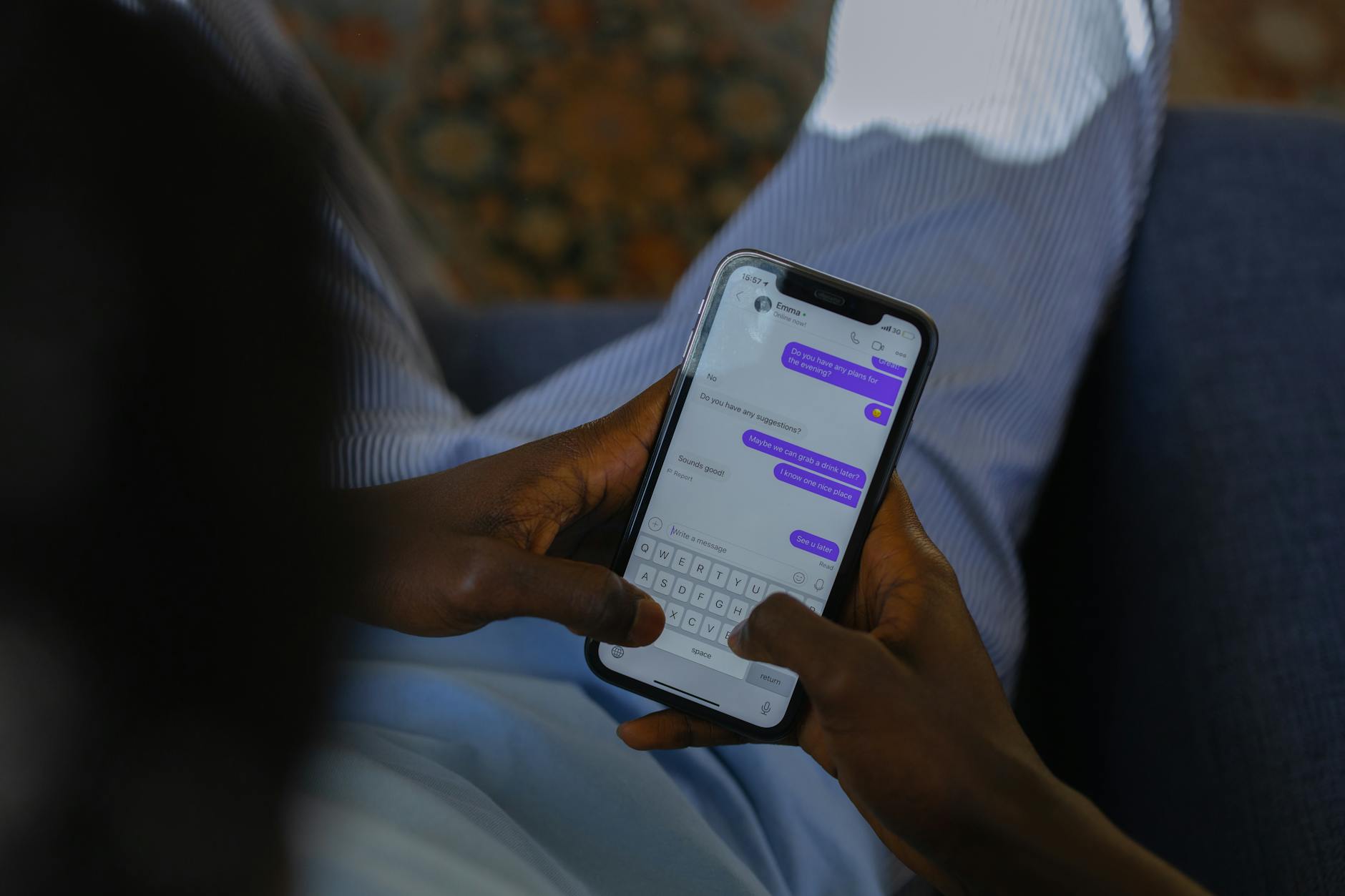
The phenomenon raises questions about authenticity in relationships and whether emotional fulfillment requires human reciprocity. For asexual individuals who struggle to find compatible partners in a predominantly allosexual world, AI companions might offer a form of relationship satisfaction that human connections haven’t provided. Whether this represents progress or retreat depends heavily on individual circumstances and community perspectives.
The artist mentioned earlier continues their daily conversations with their chatbot companion, finding comfort in a relationship that exists entirely on their own terms – but the broader implications for human connection remain hotly contested within the communities most affected by these choices.