



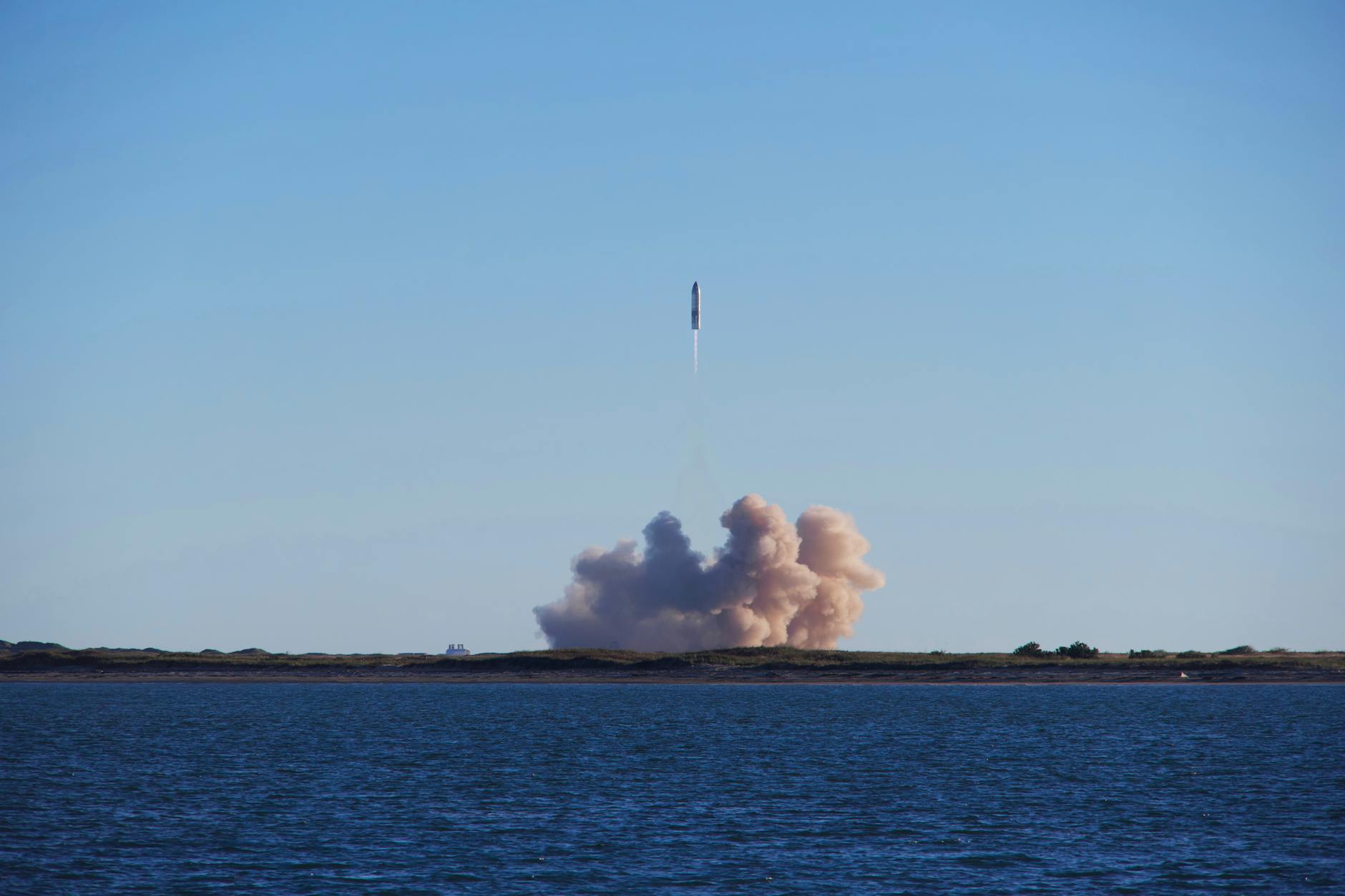
Elon Musk’s rocket company appears positioned to announce its initial public offering plans within days, with Reuters indicating SpaceX could reveal its IPO intentions as soon as next Wednesday. The aerospace manufacturer has maintained private status since its 2002 founding, making this potential move particularly significant for both the space industry and public markets.
The timing aligns with SpaceX’s recent operational milestones and financial positioning. June represents an aggressive timeline for what would become one of the most watched public debuts in recent memory.
Market Positioning and Valuation Considerations
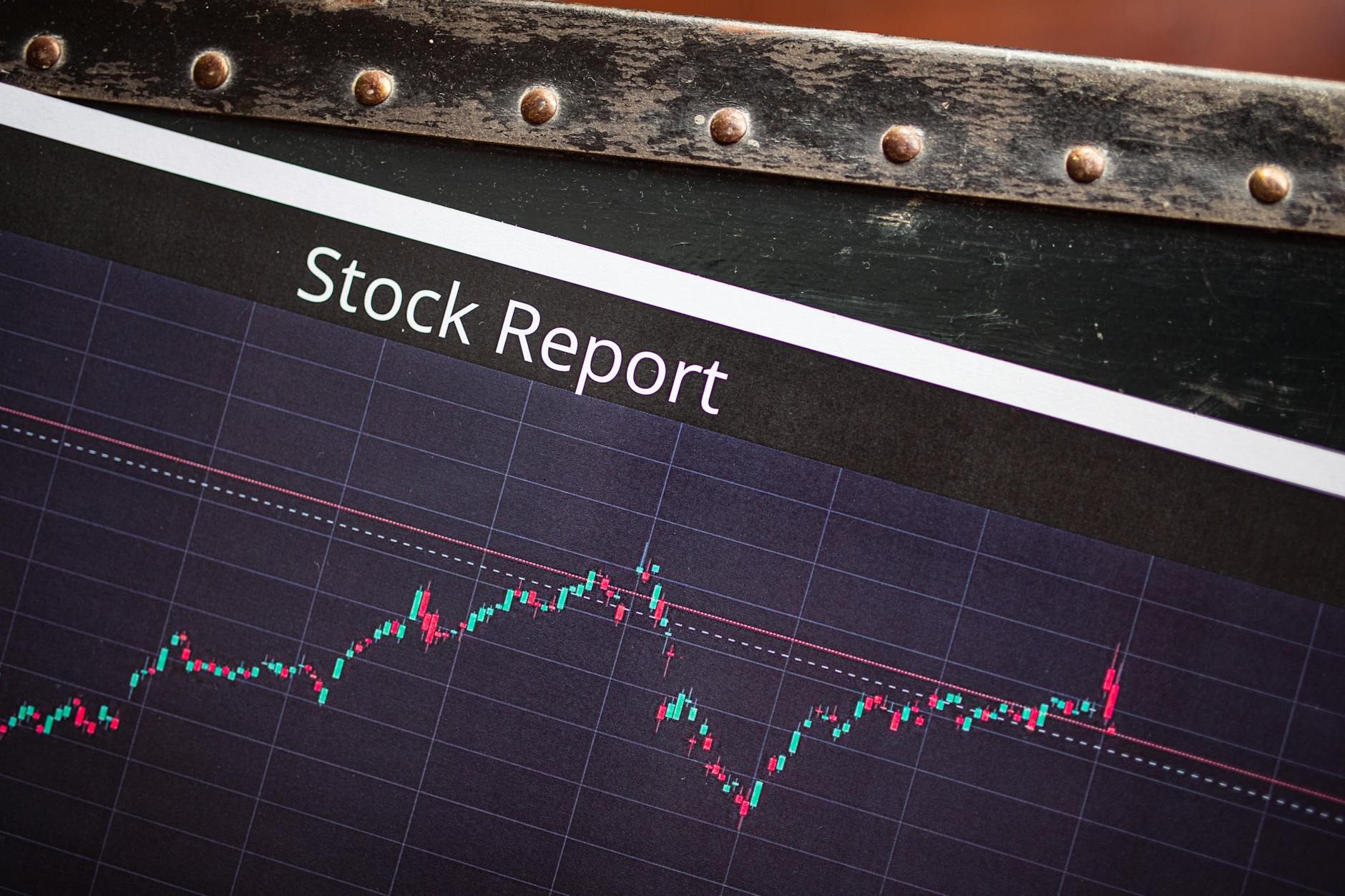
SpaceX’s valuation trajectory has followed an extraordinary path through private funding rounds. The company reached a $180 billion valuation during its most recent financing activity, establishing it among the world’s most valuable private companies. This valuation foundation provides substantial leverage for public market entry.
Investment appetite for space-related enterprises has shown mixed results in recent years. Several space companies have struggled post-IPO, creating both opportunity and risk for SpaceX’s market reception. The company’s established revenue streams from NASA contracts, commercial satellite launches, and Starlink internet services differentiate it from earlier space IPOs that relied heavily on future projections.
Public market analysts have speculated about SpaceX’s IPO timing for years. Musk previously indicated reluctance to take the company public until Mars missions reached regular operational status, making this potential acceleration noteworthy. The shift suggests either strategic reconsideration or market timing optimization.
Operational Foundation for Public Markets
SpaceX’s business model combines government contracts with commercial ventures across multiple sectors. NASA partnerships provide steady revenue through crew transportation and cargo missions to the International Space Station. Commercial satellite deployment generates additional income streams from telecommunications companies and government agencies worldwide.
Starlink represents the company’s most ambitious consumer-facing initiative. The satellite internet constellation has expanded rapidly, serving users in remote locations where traditional broadband remains unavailable. This division could drive significant growth in public markets, though it also requires substantial ongoing capital investment.
Timeline and Market Implications
Next Wednesday’s potential announcement would trigger intensive preparation for regulatory filings and investor presentations. The IPO process typically requires several months from initial announcement to actual trading, placing potential stock availability in late summer or early fall if SpaceX proceeds on this accelerated schedule.
Market conditions present both advantages and challenges for SpaceX’s public debut. Interest rates and broader economic uncertainty have dampened IPO activity across multiple sectors. However, SpaceX’s established operations and revenue diversification could attract investors seeking exposure to space commercialization trends.
The company’s relationship with government agencies adds complexity to public ownership considerations. National security implications of space technology could influence regulatory approval processes and ongoing operational requirements. These factors distinguish SpaceX from typical technology IPOs.
Competitor reactions will likely intensify if SpaceX announces public market plans. Blue Origin, Virgin Galactic, and traditional aerospace contractors face different competitive dynamics with a publicly-traded SpaceX holding enhanced capital access. Boeing and Lockheed Martin have already experienced competitive pressure from SpaceX’s cost advantages and operational efficiency.
Will Musk’s timeline hold against the regulatory and market preparation demands of going public in just five months?