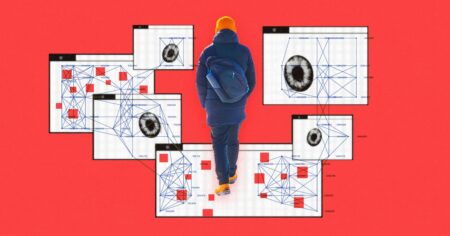



Walk into a Whole Foods in Manhattan, and you might notice something different at checkout. No credit card readers. No cash registers. Just cameras watching your face as you grab items and walk out, your payment processed automatically through facial recognition technology.
Major retailers across the United States are rapidly adopting facial recognition payment systems, transforming how consumers shop and pay. Amazon Go stores pioneered the concept, but now traditional retailers like Walmart, Target, and regional grocery chains are testing similar technologies. The shift represents more than convenience – it’s reshaping the entire retail landscape.
The Technology Behind Seamless Shopping
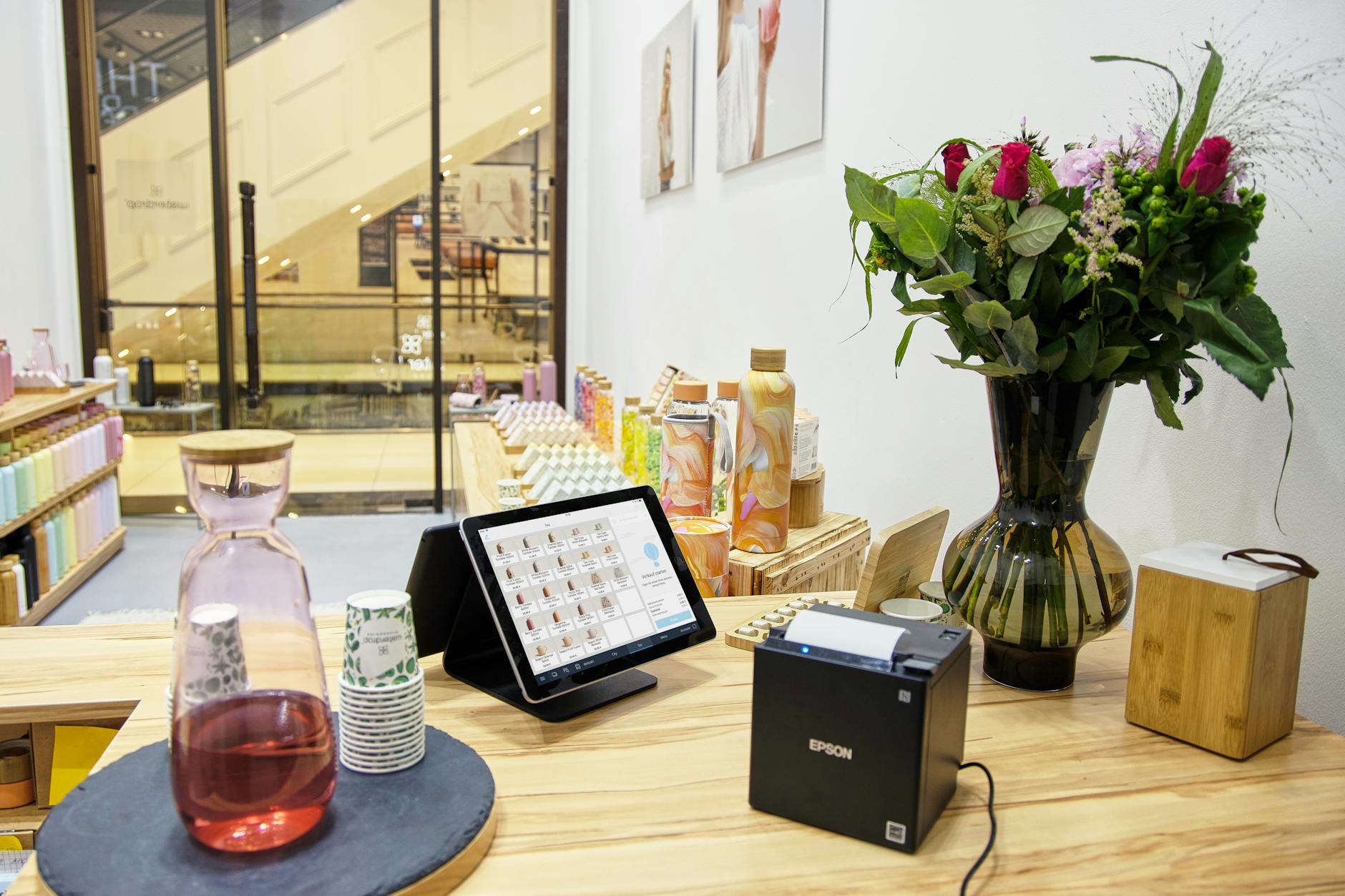
Facial recognition payment systems work by creating a unique biometric profile linked to your payment method. When you enter a store, ceiling-mounted cameras capture your facial features and match them to your registered profile. As you shop, computer vision technology tracks the items you pick up, automatically adding them to your virtual cart.
The checkout process happens without human interaction. Advanced algorithms process your purchase in real-time, charging your linked credit card or digital wallet as you exit. Some systems require a brief pause at exit sensors, while others allow completely seamless departure.
Major technology companies are driving this adoption. Amazon’s “Just Walk Out” technology powers hundreds of stores beyond Amazon Go locations. Microsoft provides similar solutions through its Azure cloud platform, while startups like AiFi and Grabango are competing for market share with their own recognition systems.
The accuracy has improved dramatically. Early systems struggled with similar-looking individuals or changes in appearance, but current technology boasts recognition rates above 99 percent. Machine learning algorithms continuously improve by processing millions of facial data points daily.
Why Retailers Are Making the Switch
Labor costs drive much of the adoption. Traditional checkout requires multiple employees per shift, while facial recognition systems need minimal staffing. Retailers report reducing checkout labor costs by up to 75 percent after implementing these technologies.
Speed matters equally. Average checkout times drop from several minutes to under thirty seconds. During peak hours, this eliminates long lines that often drive customers to competitors. Walmart reports that stores with facial recognition checkout see 15 percent higher customer satisfaction scores.
Inventory management becomes more precise. The same cameras tracking customers also monitor stock levels in real-time. Retailers know immediately when popular items run low, reducing lost sales from empty shelves. Target uses this data to optimize product placement and predict demand patterns.
Loss prevention improves significantly. Traditional self-checkout systems lose retailers billions annually through theft and scanning errors. Facial recognition systems virtually eliminate these issues by automatically detecting every item removal. Some retailers report reducing inventory shrinkage by over 60 percent.
Customer data provides another advantage. Retailers gain detailed insights into shopping patterns, dwell times, and product preferences without relying on loyalty card participation. This information helps optimize store layouts and personalize marketing efforts.
Privacy Concerns and Consumer Pushback
Not everyone embraces facial recognition shopping. Privacy advocates raise serious concerns about biometric data collection and storage. Unlike credit card numbers, facial features cannot be changed if data breaches occur.
Several states have enacted restrictions. Illinois requires explicit consent before collecting biometric data. California’s privacy laws give consumers the right to know what facial data retailers collect and demand its deletion. New York temporarily banned facial recognition in retail stores pending further study.
Consumer surveys reveal mixed reactions. Younger shoppers generally accept the technology for its convenience, while older demographics express more skepticism. A recent poll found 42 percent of Americans comfortable with facial recognition payments, while 31 percent remain strongly opposed.
Some retailers are adapting with hybrid approaches. They offer facial recognition as an opt-in service alongside traditional payment methods. Customers can choose their preferred checkout experience, maintaining privacy for those who want it while providing convenience for early adopters.
Religious and cultural considerations add complexity. Some communities object to facial recognition on religious grounds, while others worry about potential bias in recognition algorithms. Retailers must balance technological efficiency with inclusive customer service.
The Expansion Beyond Grocery Stores
Facial recognition payments are spreading beyond grocery retail. Fashion retailers like Zara and H&M are testing the technology in flagship locations. Customers can try on clothes and walk out without visiting traditional registers.
Restaurants represent another growth area. Fast-casual chains use facial recognition for ordering and payment, reducing wait times during lunch rushes. Panera Bread and Sweetgreen have piloted programs where regular customers can grab meals without stopping to pay.
Gas stations are implementing facial recognition for fuel purchases. Customers link their faces to payment methods, then simply pump gas without card transactions. Shell and BP are expanding these programs across multiple states.
Even small businesses are adopting the technology. Local coffee shops and convenience stores use affordable facial recognition systems to speed up transactions for regular customers. The technology that once required massive corporate investment is becoming accessible to independent retailers.
International expansion is accelerating. European retailers are testing facial recognition payments despite stricter privacy regulations. Asian markets, particularly China and Japan, are seeing rapid adoption with government support for cashless payment innovation.
Similar technological advances are transforming other sectors. Just as major grocery chains are installing smart shopping carts with built-in scales to streamline the shopping experience, facial recognition represents another step toward fully automated retail environments.
Looking Ahead: The Future of Retail Payments
Industry experts predict facial recognition will become standard in retail within five years. The technology’s costs continue dropping while capabilities improve, making adoption inevitable for competitive retailers.
Integration with other technologies will expand capabilities. Augmented reality displays could show personalized product recommendations as customers shop. Voice assistants might process special requests or dietary restrictions automatically.
Regulatory frameworks are still developing. Federal guidelines for biometric data collection will likely emerge, creating uniform standards across states. International trade agreements may address cross-border data sharing for global retailers.
The COVID-19 pandemic accelerated adoption by highlighting hygiene benefits. Contactless payments became preferred, and facial recognition eliminates touching shared surfaces entirely. This health consideration may outlast the pandemic itself.
Competition will drive innovation. As more retailers adopt facial recognition, differiation will come through enhanced features rather than basic functionality. Expect developments in personalization, loyalty integration, and cross-platform compatibility.
The retail industry stands at a technological inflection point. Facial recognition payment systems represent more than operational efficiency – they signal a fundamental shift toward automated, personalized shopping experiences. While privacy debates continue, consumer behavior and competitive pressures suggest this technology will define the next decade of retail evolution.
Frequently Asked Questions
How do facial recognition payment systems work in stores?
Cameras capture your facial features, match them to your payment profile, track items you take, and automatically charge you as you exit without traditional checkout.
Are facial recognition payments safe and private?
While technology accuracy exceeds 99%, privacy advocates raise concerns about biometric data storage and several states have enacted restrictions requiring customer consent.