



Stockholm’s streets stay remarkably clean despite housing over a million residents, and the secret lies beneath the city’s surface. Underground pneumatic waste systems are silently revolutionizing urban sanitation, using powerful suction to transport trash through networks of buried tubes at speeds reaching 70 kilometers per hour.
These futuristic waste management systems, once relegated to science fiction, are becoming reality in major cities worldwide. From Barcelona’s ambitious expansion to New York’s pilot programs, municipalities are investing billions in pneumatic infrastructure that promises to eliminate garbage trucks from dense urban areas while dramatically reducing emissions and operational costs.
The technology works like a massive vacuum cleaner network. Residents drop waste into specially designed inlets throughout the city, where it travels through underground tubes to central collection points. Air pressure differences created by powerful fans push waste along predetermined routes, sorting different materials automatically before final processing.
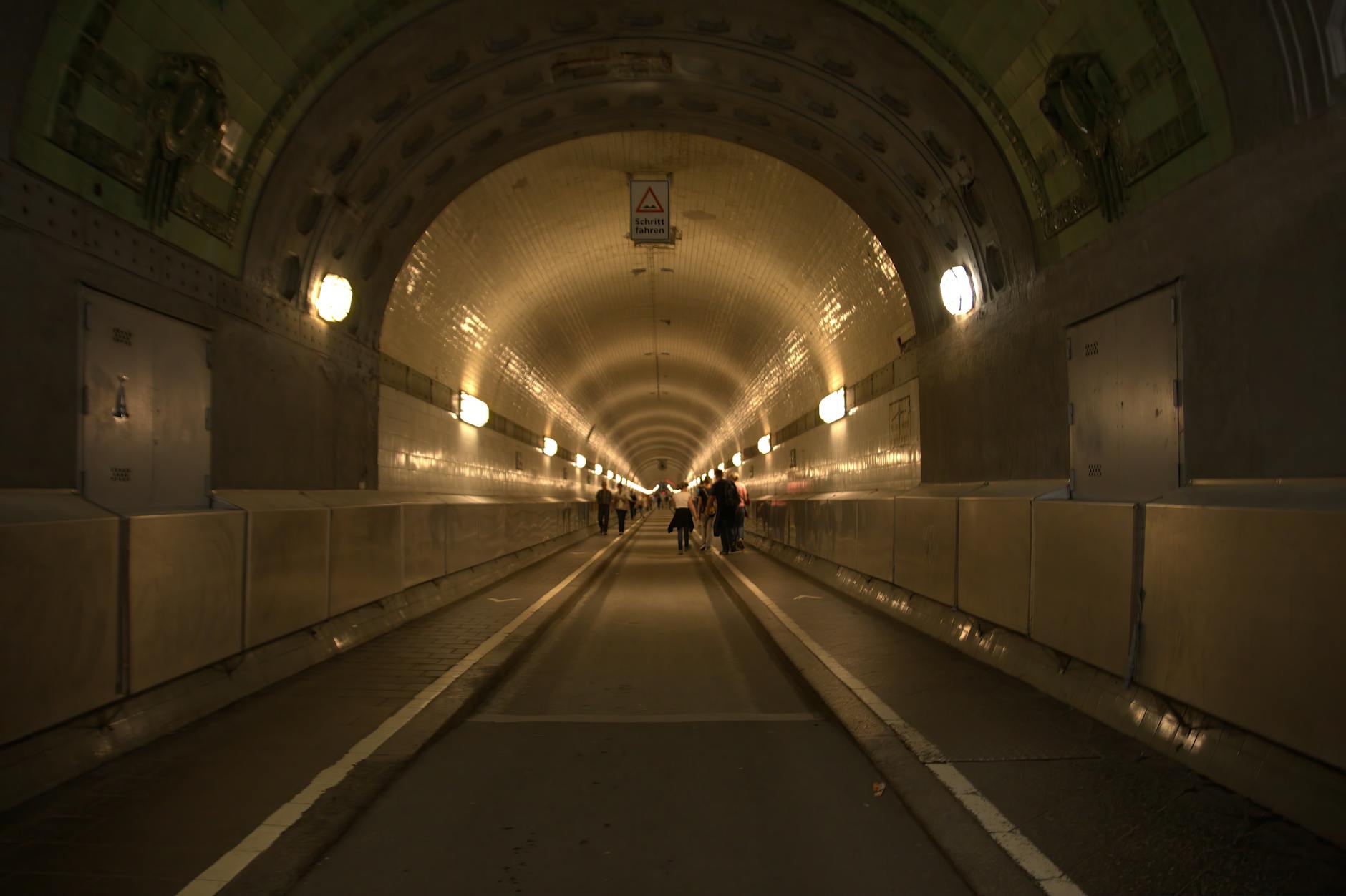
How Pneumatic Waste Systems Actually Work
The engineering behind these systems combines principles from postal pneumatic tubes with modern waste sorting technology. Underground networks consist of steel or concrete pipes, typically 500-600 millimeters in diameter, connecting residential and commercial areas to central collection facilities.
Waste enters the system through strategically placed inlets that look like oversized mailboxes. Each inlet connects to the underground network through vertical drop shafts. Once waste enters the system, computer-controlled valves direct airflow to create suction that pulls materials through the tubes at consistent speeds.
Central collection facilities house the system’s brain – massive fan units that generate the air pressure differentials needed to move waste. These facilities also contain automated sorting equipment that separates different waste types using optical sensors, magnetic separation, and density sorting techniques.
The entire process operates on sophisticated scheduling software that optimizes collection times and routes. Peak collection periods typically occur during evening hours when residential waste generation is highest, while commercial areas see priority collection during business hours.
Barcelona leads global deployment with over 100 kilometers of pneumatic tubes serving multiple districts. The city’s system handles approximately 200 tons of waste daily, serving roughly 100,000 residents through strategically placed collection points every 400 meters throughout covered neighborhoods.
Cities Leading the Underground Revolution
European cities dominate pneumatic waste adoption, with Scandinavia setting the global standard. Stockholm operates one of the world’s most extensive networks, covering entire neighborhoods with seamless waste collection that eliminates traditional garbage trucks from residential streets.
Barcelona’s ongoing expansion represents the largest pneumatic waste investment globally. The city plans to extend coverage to serve 500,000 residents by 2030, with new construction projects requiring pneumatic connections as standard infrastructure. Recent expansions include the Olympic Village area and several high-density residential districts.
Singapore has emerged as Asia’s pneumatic waste leader, implementing systems in new housing developments and retrofitting older areas. The city-state’s tropical climate makes underground waste transport particularly attractive, as it eliminates street-level odors and pest attraction that plague traditional collection methods.
New York City launched pilot programs in Manhattan’s Hudson Yards development, testing pneumatic systems for high-rise residential buildings. Early results show significant reductions in building service elevator usage and lobby congestion, while eliminating the need for large waste storage areas in basement levels.

Paris recently announced plans for pneumatic waste infrastructure in several arrondissements, focusing initially on tourist-heavy areas where traditional garbage trucks create traffic congestion and aesthetic concerns. The system will integrate with the city’s existing underground infrastructure, including metro tunnels and utility corridors.
Korea has invested heavily in pneumatic waste technology for new smart city developments. Songdo International Business District features comprehensive pneumatic networks serving both residential and commercial areas, while Seoul explores retrofitting options for dense urban neighborhoods.
Economic and Environmental Benefits Drive Adoption
Cities embrace pneumatic waste systems primarily for their dramatic reduction in operational costs and environmental impact. Traditional waste collection requires fleets of diesel trucks making daily rounds through narrow urban streets, generating noise pollution and traffic congestion while consuming significant fuel.
Pneumatic systems eliminate up to 90% of waste collection truck trips, according to operational data from Barcelona and Stockholm. This reduction translates to measurable improvements in air quality, with some neighborhoods reporting 30% decreases in particulate matter levels during peak collection hours.
Labor cost savings prove substantial over time. Traditional waste collection requires teams of workers operating heavy machinery, while pneumatic systems run largely automated with minimal staffing needs for maintenance and central facility operations. Barcelona reports 60% reduction in waste collection labor costs compared to traditional methods.
Property values in areas served by pneumatic waste systems typically see increases due to cleaner streets, reduced noise, and elimination of unsightly garbage containers. Real estate developers increasingly view pneumatic infrastructure as premium amenities that justify higher pricing and attract environmentally conscious buyers.
The technology also enables more frequent waste collection without additional costs. Traditional truck-based systems face logistical limits on collection frequency, while pneumatic networks can operate continuously with minimal energy consumption. This capability proves particularly valuable in high-density areas where waste accumulation creates hygiene and aesthetic problems.
Cities also benefit from reduced wear on road infrastructure. Heavy garbage trucks contribute significantly to street deterioration, requiring frequent resurfacing and repairs. Eliminating these vehicles extends pavement life and reduces municipal maintenance budgets.
Similar to how satellite internet is becoming mainstream for rural communities by solving infrastructure challenges, pneumatic waste systems address urban density problems through innovative underground networks.
Challenges and Future Expansion Plans
Implementation costs represent the primary barrier to widespread pneumatic waste adoption. Installing underground tube networks requires extensive excavation and coordination with existing utilities, often costing 10-15 times more than traditional waste collection infrastructure initially.
Retrofitting existing neighborhoods proves particularly complex and expensive. Cities must coordinate with utility companies, navigate building foundations, and maintain service during construction. These challenges make pneumatic systems most viable for new developments or major urban renovation projects.
Technical limitations also constrain system design. Pneumatic networks cannot handle all waste types effectively – large items, hazardous materials, and certain organic waste require alternative collection methods. Cities must maintain hybrid systems combining pneumatic collection for standard waste with traditional methods for specialized materials.
Maintenance requirements demand specialized expertise and equipment. Underground tube networks need regular cleaning and inspection using robotic systems, while central collection facilities require 24/7 monitoring. Cities must develop internal expertise or contract with specialized service providers.
Despite challenges, expansion continues accelerating globally. Dubai announced plans for pneumatic waste systems in several new developments, while Toronto explores implementation options for waterfront redevelopment areas. Amsterdam plans to retrofit historic city center areas with carefully designed systems that preserve architectural heritage.
Technology advances continue improving system capabilities and reducing costs. New tube materials offer greater durability and easier installation, while improved control systems optimize energy consumption and collection efficiency. Automated sorting technology advancement enables handling of more waste types through pneumatic networks.
Future systems may integrate with smart city infrastructure, connecting waste generation data with urban planning systems. Real-time monitoring could optimize collection schedules based on actual waste volumes, while predictive maintenance systems could prevent service disruptions.
The next decade will likely see pneumatic waste systems become standard infrastructure for major urban developments worldwide. As cities grapple with increasing density and environmental requirements, underground waste transport offers proven solutions that align with sustainability goals while improving quality of life for residents.
Major cities worldwide are discovering that sometimes the best way forward is to go underground, creating cleaner streets and more sustainable communities through the power of controlled air pressure and strategic urban planning.
Frequently Asked Questions
How do pneumatic waste systems work?
Residents drop waste into special inlets connected to underground tubes, where powerful suction transports materials at high speeds to central collection facilities.
Which cities have pneumatic waste systems?
Stockholm, Barcelona, Singapore, and New York lead adoption, with Paris, Dubai, and Toronto planning implementations.