



Chase, Bank of America, and Wells Fargo are quietly rolling out Bitcoin ATMs in their branch lobbies, marking a dramatic shift in how traditional banking views cryptocurrency. What was once dismissed as “digital Monopoly money” by financial executives now sits alongside traditional cash machines in the marble halls of America’s oldest financial institutions.
The transformation reflects a broader acceptance of digital currencies, driven by customer demand and regulatory clarity. JP Morgan Chase, which famously called Bitcoin a “fraud” in 2017, now operates crypto ATMs in over 200 branches across major metropolitan areas. Bank of America follows close behind with installations in 150 locations, while Wells Fargo has committed to 100 machines by year-end.

Customer Demand Forces Bank Adaptation
The push for crypto ATMs comes directly from customer requests. Bank of America reports that 40% of their millennial and Gen Z customers have inquired about cryptocurrency services in the past year. These demographics, which represent the future of banking, view digital assets as naturally as they do online banking or mobile payments.
“We’re seeing unprecedented demand from customers who want to manage their digital assets alongside their traditional accounts,” says Sarah Martinez, VP of Digital Innovation at a major regional bank. “The crypto ATMs are just the beginning of what will be a full integration of digital currency services.”
The machines themselves operate differently from traditional Bitcoin ATMs found in convenience stores or malls. Bank-installed units require account verification and are linked directly to customers’ existing bank profiles. This integration allows for higher transaction limits and reduced fees compared to standalone crypto machines that often charge 10-20% premiums.
Traditional banks are also leveraging their compliance infrastructure to offer crypto services that meet regulatory requirements. Unlike independent crypto ATM operators, banks can provide full KYC (Know Your Customer) verification and anti-money laundering monitoring that satisfies federal regulators.
Revenue Streams and Competitive Pressure
The financial incentive for banks is substantial. Crypto ATM transactions generate fee revenue similar to traditional ATM usage, but with higher average transaction amounts. While a typical ATM withdrawal might be $80-$120, crypto ATM transactions average $500-$1,500 per session.
Beyond direct fees, the machines serve as customer acquisition tools for broader crypto services. Banks use the ATMs to introduce customers to digital wallets, crypto trading platforms, and eventually full-service digital asset management. This strategy mirrors how banks used free checking accounts to cross-sell mortgages and credit cards in previous decades.
Competition from fintech companies and crypto-native firms like Coinbase has accelerated bank adoption. When customers can buy Bitcoin instantly through apps like Cash App or Venmo, traditional banks risk losing relevance in the payments ecosystem. The ATMs represent a physical manifestation of banks’ digital transformation efforts.

Similar to how major retailers are installing AI-powered checkout-free micro stores to compete with Amazon, banks are embracing crypto technology to remain competitive with digital-first financial services companies.
Regulatory Environment Enables Expansion
The regulatory landscape has shifted significantly to enable bank crypto adoption. The Office of the Comptroller of the Currency now allows national banks to provide cryptocurrency custody services, while the Federal Reserve has begun serious research into central bank digital currencies (CBDCs).
State-level regulations vary, but major banking states like New York, California, and Texas have established clear frameworks for crypto ATM operations. This regulatory clarity reduces compliance risks that previously deterred banks from crypto ventures.
Banks are also partnering with established crypto ATM operators rather than building proprietary technology. Companies like Coin Cloud and Bitcoin Depot provide the hardware and software while banks handle customer relationships and regulatory compliance. This partnership model allows rapid deployment without extensive internal development.
The Federal Deposit Insurance Corporation has issued guidance that crypto ATMs in bank branches must meet the same security standards as traditional ATMs, including physical security measures and transaction monitoring. This requirement actually favors bank locations over standalone installations in terms of customer trust and regulatory compliance.
Integration with Traditional Banking Services
Bank crypto ATMs integrate with existing customer accounts in ways that standalone machines cannot. Customers can fund crypto purchases directly from checking accounts, set up recurring Bitcoin purchases, or automatically convert crypto gains to traditional savings accounts.
This integration extends to wealth management services. Private banking clients can now include cryptocurrency holdings in their overall portfolio management, with banks providing custody services and tax reporting that simplifies year-end compliance.
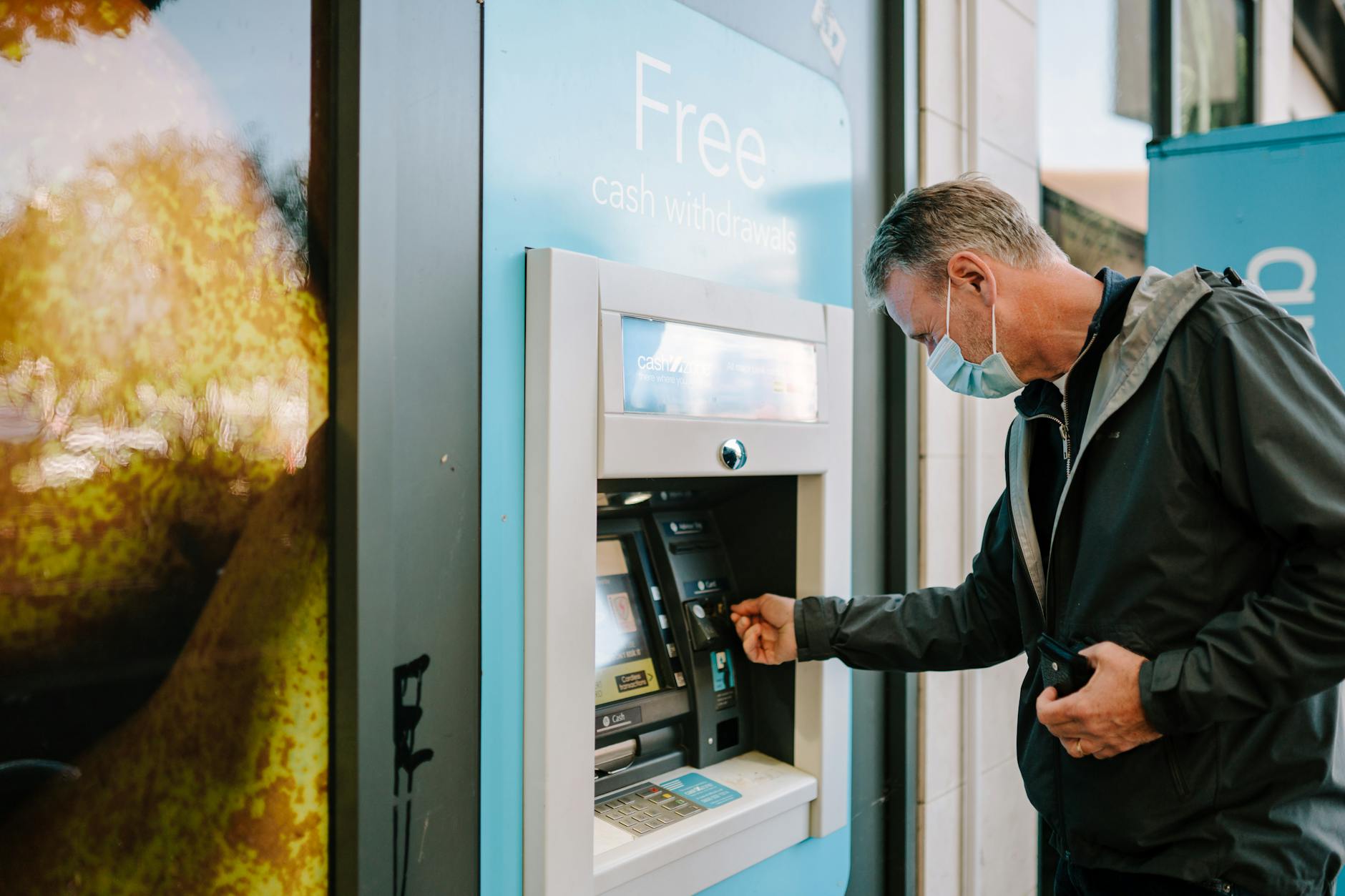
The technology infrastructure supporting bank crypto ATMs connects to the same core banking systems that handle traditional transactions. This integration allows for real-time account updates, instant transaction confirmations, and seamless customer service support through existing bank channels.
Some banks are experimenting with advanced features like crypto-backed lending, where customers can use Bitcoin holdings as collateral for traditional loans. This service bridges the gap between digital assets and conventional banking products in ways that independent crypto ATM operators cannot offer.
Future of Banking and Digital Currency
The installation of crypto ATMs represents just the beginning of traditional banking’s digital currency evolution. Industry analysts predict that within five years, cryptocurrency services will be as common in banks as foreign currency exchange or wire transfers are today.
Banks are positioning themselves for a future where central bank digital currencies may replace physical cash entirely. The experience gained from operating crypto ATMs provides valuable insights into customer behavior and technology requirements for broader digital currency adoption.
The success of bank crypto ATMs will likely accelerate similar technological integrations across the financial sector. Just as companies are building floating data centers in international waters to optimize connectivity and regulations, banks are strategically positioning themselves at the intersection of traditional finance and digital innovation.
Major banks installing cryptocurrency ATMs signals a fundamental shift in how financial institutions view digital assets – not as a threat to traditional banking, but as an essential component of modern financial services.
Frequently Asked Questions
Which banks have cryptocurrency ATMs in their branches?
Chase, Bank of America, and Wells Fargo are leading the rollout of crypto ATMs in branch locations across major metropolitan areas.
How do bank crypto ATMs differ from standalone Bitcoin machines?
Bank crypto ATMs integrate with customer accounts, offer lower fees, higher transaction limits, and full regulatory compliance through existing banking infrastructure.