



Airport terminals once meant cramped gate areas, overpriced food courts, and endless waiting. Today, major airports worldwide are transforming these spaces into agricultural showcases, installing vertical farms that grow fresh produce steps away from departure gates. From Singapore’s Changi Airport to Chicago O’Hare, aviation hubs are embracing this green revolution that promises fresher food, reduced carbon footprints, and a completely reimagined travel experience.
The concept isn’t just about aesthetics. Airlines and airport authorities recognize that vertical farming addresses multiple operational challenges while creating new revenue streams. These installations represent a convergence of sustainability goals, passenger experience improvements, and economic opportunity that’s reshaping how we think about airport infrastructure.

Addressing the Fresh Food Desert
Airport food has long been synonymous with processed, expensive, and mediocre dining options. Traditional supply chains mean produce travels thousands of miles before reaching terminal restaurants, often losing nutritional value and freshness along the way. Vertical farms eliminate this distance entirely.
Singapore’s Changi Airport pioneered this approach with its hydroponic farm producing leafy greens and herbs directly within Terminal 4. The facility supplies multiple airport restaurants with ingredients harvested the same day they’re served. This hyper-local approach ensures peak freshness while dramatically reducing transportation costs and emissions.
Denver International Airport followed suit with a partnership that installed aeroponic growing systems in unused terminal spaces. These facilities produce herbs, microgreens, and vegetables that supply airport restaurants and even some airline catering services. The quality difference is immediately noticeable – restaurant operators report significantly higher customer satisfaction scores for dishes featuring airport-grown produce.
The economics make sense beyond food quality. Traditional airport food procurement involves complex supply chains with multiple middlemen, each adding costs. Vertical farms can reduce ingredient costs by 30-40% for participating restaurants while offering superior freshness. This cost savings can be passed to consumers or retained to improve restaurant profitability in the notoriously challenging airport dining market.
Sustainability Meets Passenger Experience
Modern travelers increasingly value sustainability and unique experiences. Vertical farms deliver both, creating Instagram-worthy installations that tell a story about environmental responsibility. These aren’t hidden basement operations – airports are prominently displaying their growing systems as architectural features that passengers can observe and appreciate.
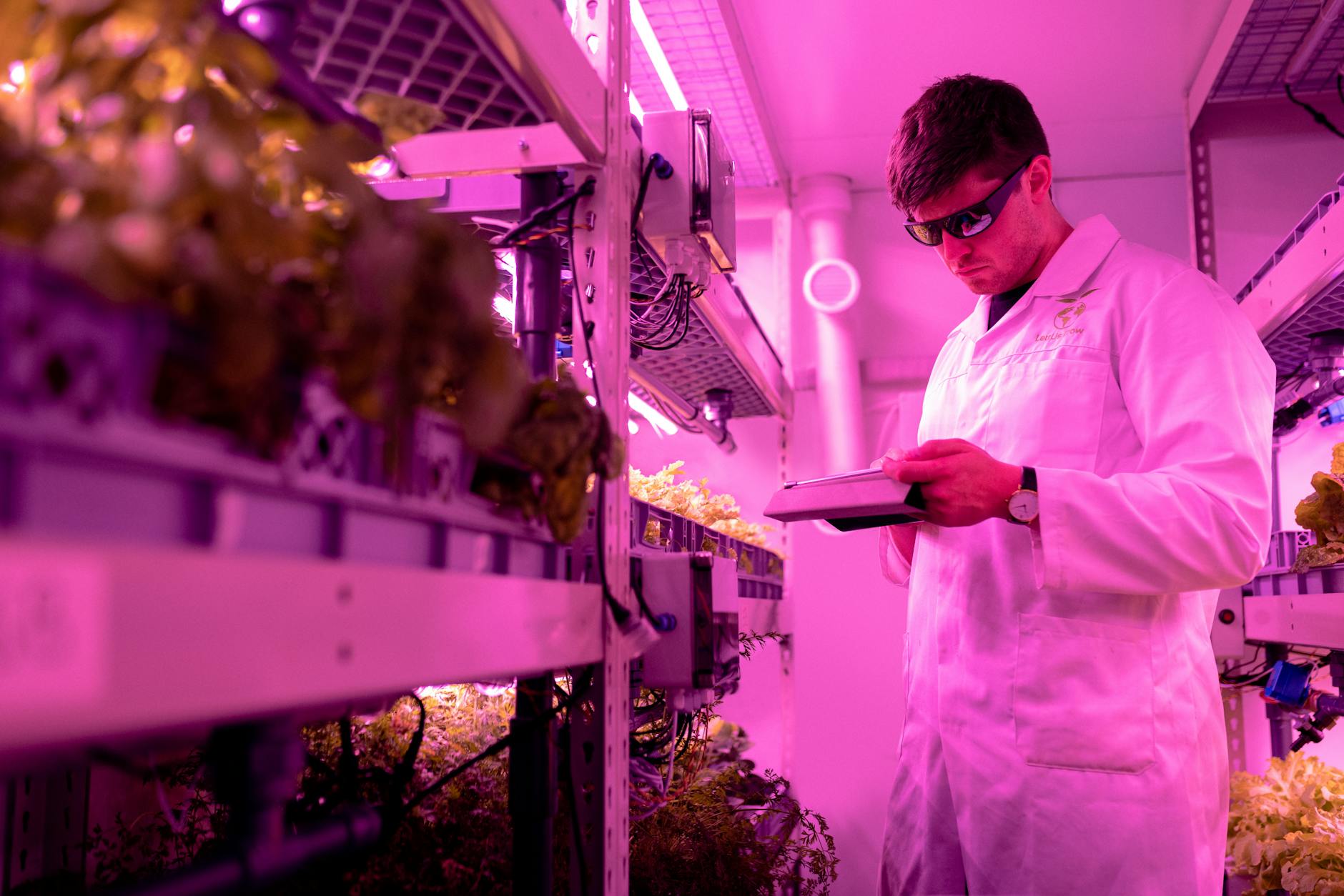
Munich Airport’s vertical farm installation doubles as an educational exhibit, with interactive displays explaining hydroponic technology and sustainable agriculture. Passengers waiting for flights can watch automated systems tend to rows of vegetables growing under LED lights. This entertainment factor extends average terminal dwell time, which directly correlates with increased retail and dining revenue for airport operators.
The environmental benefits extend beyond eliminating food miles. Airport vertical farms typically use 95% less water than traditional agriculture through recirculating hydroponic systems. They require no pesticides, produce zero agricultural runoff, and can operate year-round regardless of local climate conditions. For airports pursuing carbon neutrality goals, these installations provide measurable sustainability improvements with visible passenger engagement.
Some installations incorporate biophilic design principles, using plants to improve air quality and create calming spaces in otherwise sterile terminal environments. Studies show that exposure to plants and green spaces reduces passenger stress levels, potentially improving overall airport satisfaction scores and reducing complaints about flight delays.
Technology Integration and Operational Advantages
Airport vertical farms leverage sophisticated automation and monitoring systems that align well with existing airport technology infrastructure. These facilities use sensors, climate control systems, and data analytics platforms that integrate seamlessly with airport management systems.
The controlled environment advantages are particularly valuable in airport settings. Traditional outdoor agriculture faces weather disruptions, seasonal limitations, and pest management challenges. Vertical farms produce consistent yields year-round, enabling airport restaurants to plan menus and pricing with unprecedented reliability. This predictability is crucial for airport food service operators who must maintain consistent offerings despite fluctuating passenger volumes.
Advanced LED lighting systems optimize plant growth while minimizing energy consumption. Many installations use renewable energy sources or integrate with airport sustainability programs. Some facilities even contribute to terminal climate control by managing humidity and air circulation in previously unused spaces.
Labor requirements are minimal compared to traditional farming, with automated seeding, watering, and harvesting systems requiring only periodic maintenance and monitoring. This operational efficiency makes airport vertical farms economically viable even in high-cost terminal real estate markets.
Expanding Beyond Vegetables
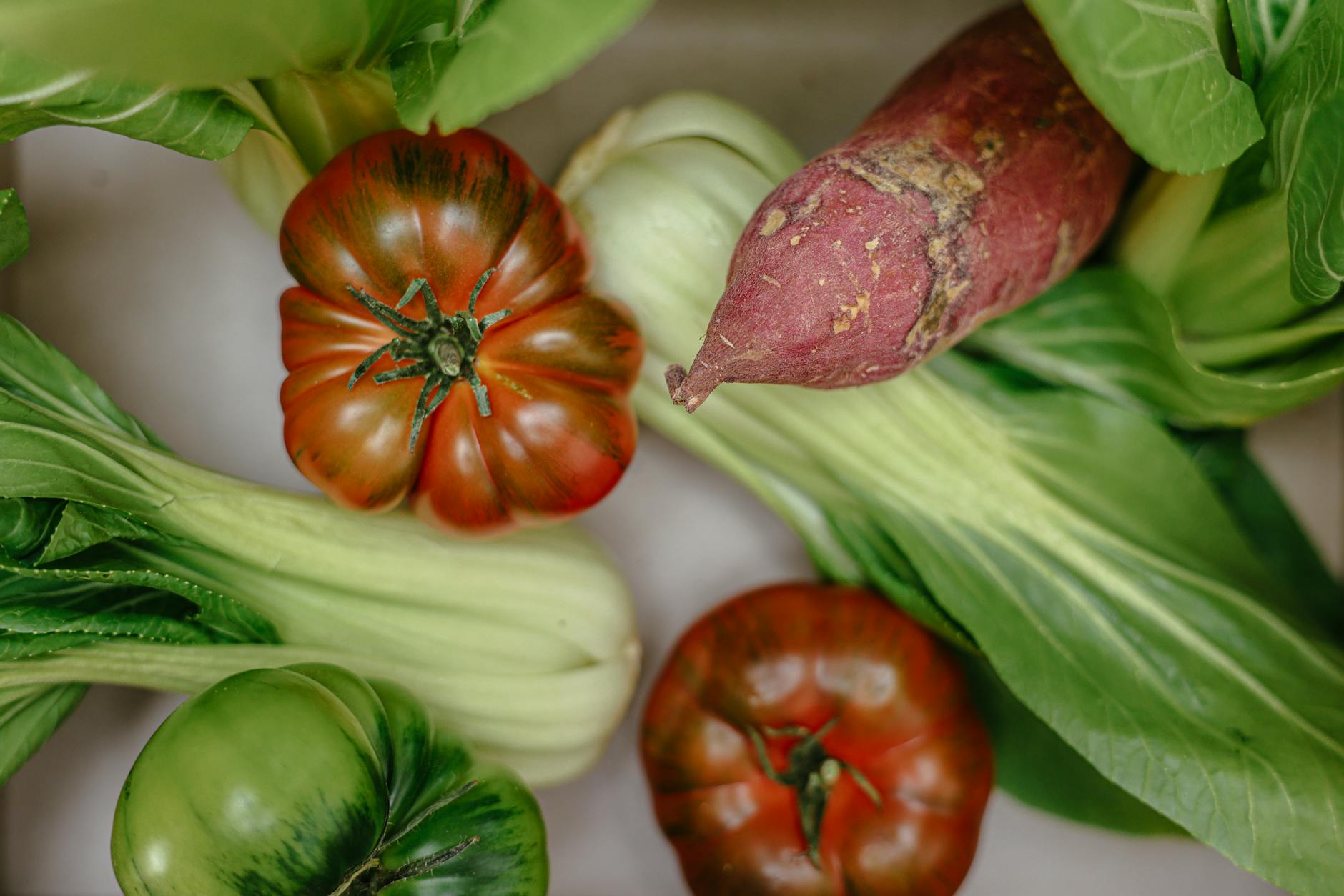
Early airport installations focused primarily on leafy greens and herbs, but technology advances are expanding crop possibilities. Some airports are experimenting with strawberries, tomatoes, and even edible flowers for upscale restaurant applications.
Chicago O’Hare’s latest expansion includes facilities growing specialty mushrooms and microgreens for airline first-class catering. These high-value crops justify the premium real estate costs while providing airlines with unique amenities that differentiate their premium services. Similar innovations are appearing in major cities installing solar panel canopies over parking lots, where airports are finding creative ways to maximize infrastructure investments.
Research partnerships with agricultural technology companies are testing new crop varieties specifically optimized for vertical growing systems. Some airports are even exploring partnerships with pharmaceutical companies interested in growing medicinal plants in controlled environments, though food production remains the primary focus.
The success of airport vertical farms has inspired similar installations in other transportation hubs, including train stations and highway rest stops, suggesting this trend extends beyond aviation into broader transportation infrastructure.
The Future of Airport Agriculture
Airport vertical farms represent more than a novel amenity – they signal a fundamental shift toward self-sufficient, sustainable infrastructure design. As technology costs decrease and operational expertise increases, these installations are becoming standard considerations for new terminal construction and renovation projects.
The next wave of development will likely integrate vertical farms with other advanced airport technologies, creating comprehensive sustainability ecosystems. Some proposed designs incorporate renewable energy generation, water reclamation systems, and waste processing facilities alongside food production capabilities.
For passengers, this evolution promises fresher food, unique experiences, and tangible evidence of environmental progress. For airports, vertical farms offer operational advantages, revenue opportunities, and competitive differentiation in an increasingly crowded market. The sky-high future of agriculture has arrived at your departure gate.
Frequently Asked Questions
Which airports have vertical farms installed?
Singapore’s Changi Airport, Denver International, Chicago O’Hare, and Munich Airport have implemented vertical farming systems in their terminals.
What crops do airport vertical farms grow?
Most focus on leafy greens, herbs, and microgreens, though some are expanding to strawberries, tomatoes, and specialty mushrooms.