


Built for the Bag That Never Leaves Your Side
After months of daily use – laptops, chargers, cables, and the rest of the workday hardware that accumulates without mercy – two Leatherology totes have earned a permanent spot at the top of the rotation.

What Gets Packed, Every Single Day
The modern work bag is less a fashion accessory and more a mobile charging station. A laptop alone can push two to three pounds before a single cable goes in. Add a power brick, a wireless mouse, a notebook, perhaps a second device, and the average professional is hauling somewhere between eight and twelve pounds across a shoulder strap by 9 AM. The bag holding all of this takes punishment that most consumers underestimate when they’re standing in a store, pinching leather and checking zippers.
Leatherology operates out of Dallas and has built its brand around full-grain leather goods at a price point that sits well below European luxury competitors. The totes tested here went through the full spectrum of workday abuse – stuffed into overhead bins, set on coffee shop floors, loaded past what any reasonable person would call capacity. Months into that routine, neither bag showed stress cracking at the handles, separation at the seams, or the kind of leather surface scuffing that tends to appear early on cheaper materials.
The structural integrity of a tote under tech load comes down to a few specific points: where the handles attach to the body, how the base is reinforced, and whether the leather itself has been treated to resist the oils and friction that come from daily contact. Leatherology uses stitched and riveted handle attachment on its larger totes, which distributes the weight across a wider surface area rather than concentrating stress at two narrow anchor points. That engineering choice matters more than almost any other detail when the bag is carrying a 15-inch laptop plus accessories.
Interior organization varies by model, but the totes reviewed here include a dedicated laptop sleeve – padded, not just a fabric divider – along with several slip pockets and one zippered compartment. For anyone whose workday involves pulling out a laptop at three different locations and needing chargers, cards, and headphones accessible without unpacking everything, that layout works. Nothing migrates to the bottom. Nothing gets buried.
Leather That Ages Instead of Deteriorating
Full-grain leather behaves differently from corrected-grain or bonded leather in ways that matter over a multi-year ownership horizon. Corrected-grain leather, which is sanded to remove surface imperfections and then coated, tends to look pristine initially and then peel or crack as the coating fails. Full-grain retains the natural surface of the hide, develops a patina with use, and generally becomes more visually interesting rather than worse-looking as months pass. Leatherology’s totes are full-grain, and after the months of testing described here, the bags show exactly that progression – slight darkening at the handle contact points, a surface sheen that wasn’t there at unboxing.
Pricing for Leatherology totes runs from roughly $200 into the $400 range depending on size and hardware finish. That’s a real expenditure, not an impulse buy. But the comparison class here isn’t a $60 canvas tote from a fast-fashion retailer – it’s the $350-$600 range where most mid-tier leather goods compete, and where Leatherology consistently undercuts on price while matching on material quality. The hardware – zippers, D-rings, feet on the base – is brass-toned and has shown no signs of tarnishing or loosening through the test period.
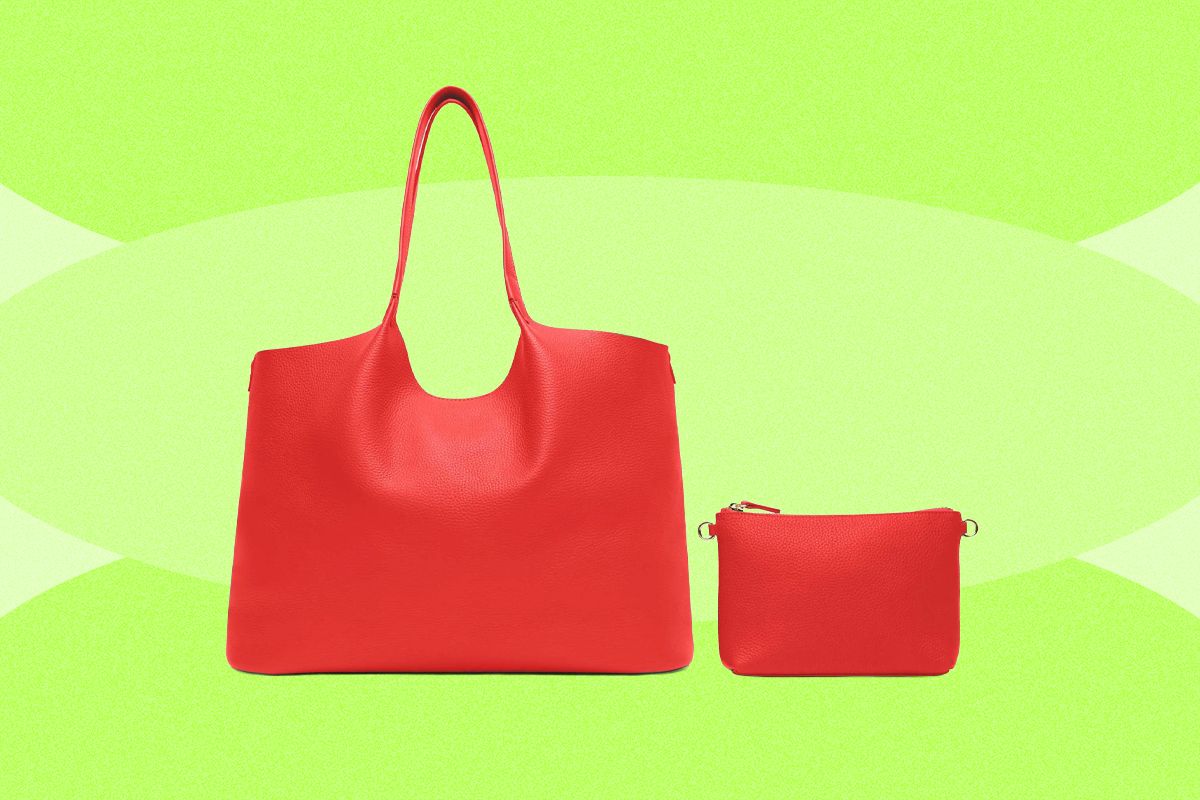
The tote format specifically suits tech carry in ways that backpacks and messenger bags don’t always replicate. A tote opens at the top and gives immediate visual access to everything inside – no unzipping secondary compartments, no digging. When moving between meetings or between office and transit, that access speed matters. The tradeoff is that totes don’t distribute weight across two shoulders, and a heavy load across one shoulder over a long commute is something any buyer should factor in honestly before choosing this format over a backpack.
Leatherology offers monogramming on most of its products, which has practical value beyond personalization. A monogrammed bag is less likely to be grabbed by mistake in a shared office or conference room, and in environments where multiple people carry similar black leather totes, initials on the exterior create instant differentiation. The monogramming is laser-etched rather than embossed or stitched, which keeps the surface flush and doesn’t create a stress point in the leather.
Color options extend well past black – Leatherology offers cognac, navy, slate, and several other finishes depending on the specific tote model. The darker colors show the least wear over time, but the cognac in particular develops a patina that becomes one of the more visually appealing things about owning a full-grain leather product long-term. Cognac also shows scratches more readily in the short term, which is a real consideration for anyone who works in high-traffic environments or travels frequently.
The Reach-For-It Test
The most honest measure of whether a bag works is simple: which one do you pick up when you’re already running five minutes late and need to move fast? After months of having multiple options available, the Leatherology totes are the consistent answer to that question. Not because of brand loyalty or sunk-cost reasoning, but because nothing has broken, the organization holds up under speed, and the bags look better now than they did in the first week.

What remains an open question is long-term durability past the months already logged – specifically how the handle stitching holds at the two-year and three-year marks under the same daily load. Full-grain leather totes from comparable manufacturers have been known to last a decade with basic conditioning, but Leatherology as a brand hasn’t been around long enough for widespread multi-year owner data to exist at scale. The bags are performing. Whether that performance compounds or plateaus is something only continued use will answer.