



Pick a piece of gaming hardware, almost any piece, and there is a good chance Tetris has already run on it. According to Engadget, the falling-block puzzler has been released on more platforms than any other game, covering everything from the earliest retro machines to the phone in your pocket. No other title has a re-release history that long.
That is an odd distinction for a game whose core idea has barely changed in four decades. Most classics get a remaster or two and then fade into nostalgia bundles. Tetris keeps coming back as a fresh product on each new generation of devices, and the reasons say as much about how hardware gets sold as about the game itself.
A Soviet Lab Project That Outran Its Origins
Tetris was created in 1984 by Alexey Pajitnov, who was working at the Soviet Academy of Sciences in Moscow. It started as a small programming exercise on local computer hardware, not a commercial product. The rules were simple enough to explain in a sentence: shapes fall, you rotate them, and complete lines vanish. That simplicity let the game travel quickly between machines and between countries.
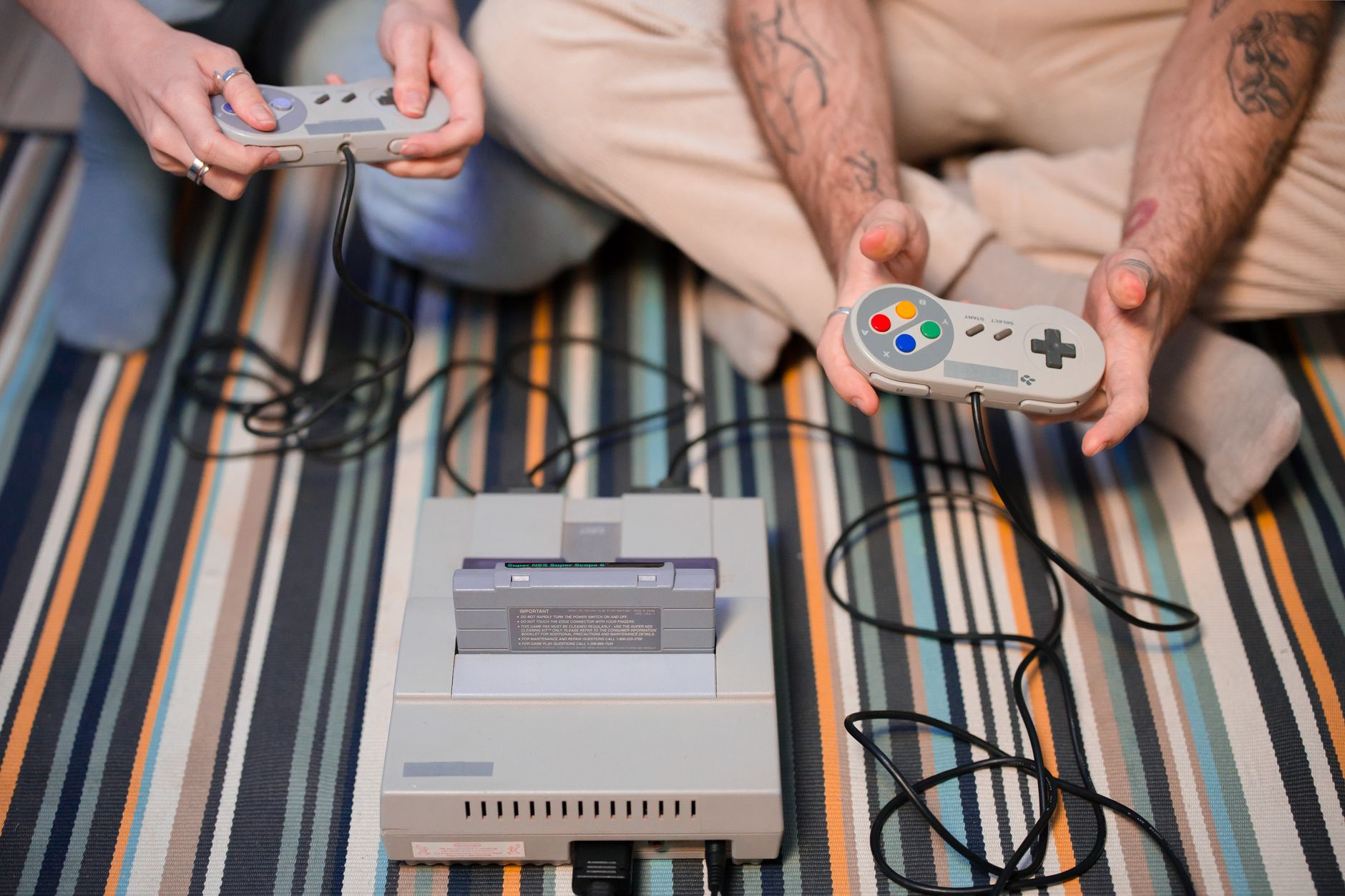
The turning point for the wider public came in 1989, when Nintendo packaged Tetris with the Game Boy. Few pack-in decisions have worked as well. A black-and-white handheld with a modest screen and no color found its ideal match in a game that needed neither. For many people the Game Boy and Tetris were one and the same object, and that association gave the game a second life far beyond its original audience.
From there, the pattern repeated. Home consoles got their versions, home computers got theirs, arcades and handhelds followed, and eventually phones and online services joined in. Each new platform made the same wager: a Tetris release would find players on day one without needing a marketing campaign built around a new story or character.
Why Hardware Makers Keep Reaching for It
Part of the answer is practical. A game with no sprawling world, no voice acting, and no large asset library makes few demands on a device. It can run on a weak processor and a small screen, which is why it shows up on early machines that could never handle anything more elaborate. It is also easy to test: if the blocks fall and the controls respond, the port works.
The other part is that Tetris makes a useful showcase. A new controller, a touchscreen, or a different display can all be demonstrated with a game players already understand. Nobody needs a tutorial, so a platform holder can put Tetris in front of a new customer and the hardware does the talking.
A Franchise That Refuses to Stay Retro
Treating Tetris as a museum piece misses how actively it is still being developed. The Tetris Company, formed in 1996 by Pajitnov and Henk Rogers, manages the brand and licenses it across platforms. That central control is a big reason the game appears so widely under a consistent identity, rather than splintering into unrelated knockoffs.
Recent years show the range. Tetris Effect arrived in 2018 with music-driven visuals that turned the old puzzle into something closer to an audiovisual experience. Tetris 99 followed in 2019 on Nintendo Switch, putting ninety-nine players into a competitive elimination format. Tetris Forever, from Digital Eclipse, looked backward instead, collecting historical versions of the game as an interactive archive. Three very different products, all built on the same falling shapes.
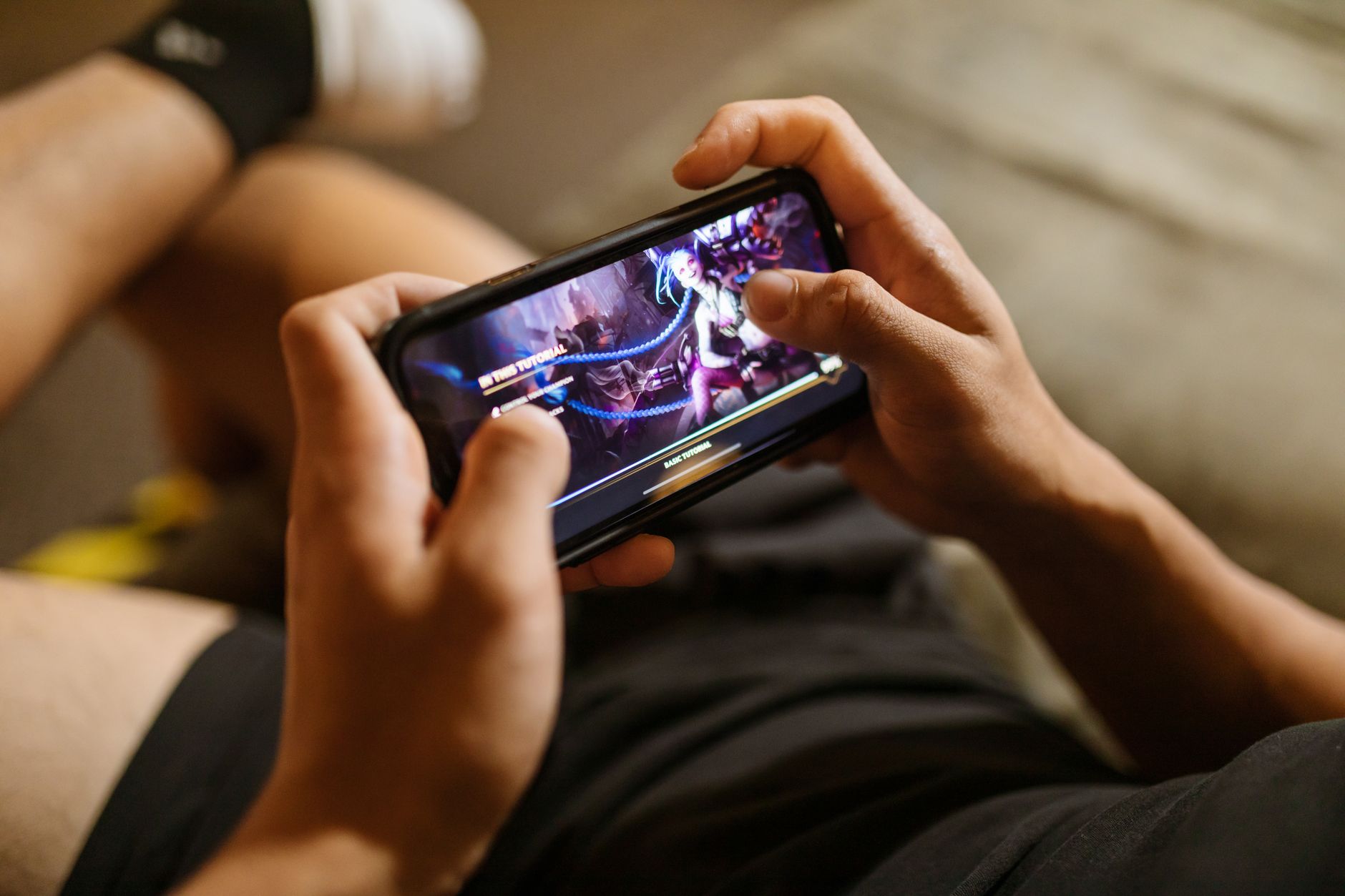
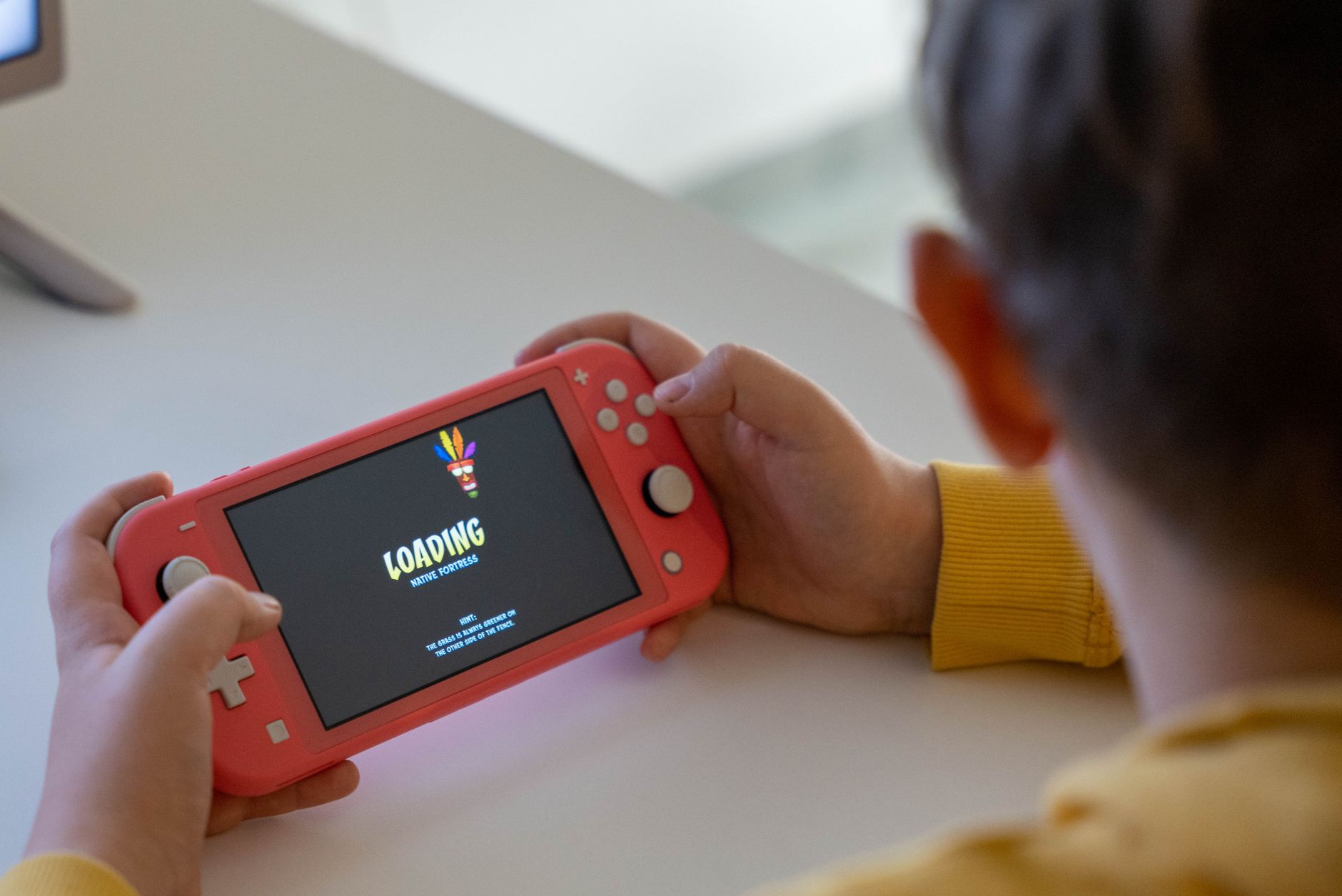
For gadget buyers, this has a practical side effect. Whatever you buy next, whether a handheld, a console, a phone, or a streaming device, a version of Tetris is probably available for it, often cheaply or bundled into a subscription. The game works as a quiet baseline for what a device can do, and it is usually among the first things people install.
Its record also raises a question that the industry has no clear answer to. If one puzzle from 1984 can stay current across every hardware generation since, what does a new platform need to offer before players stop asking whether Tetris is on it?