



A Beloved Robot’s Legacy Gets a Wearable Reboot
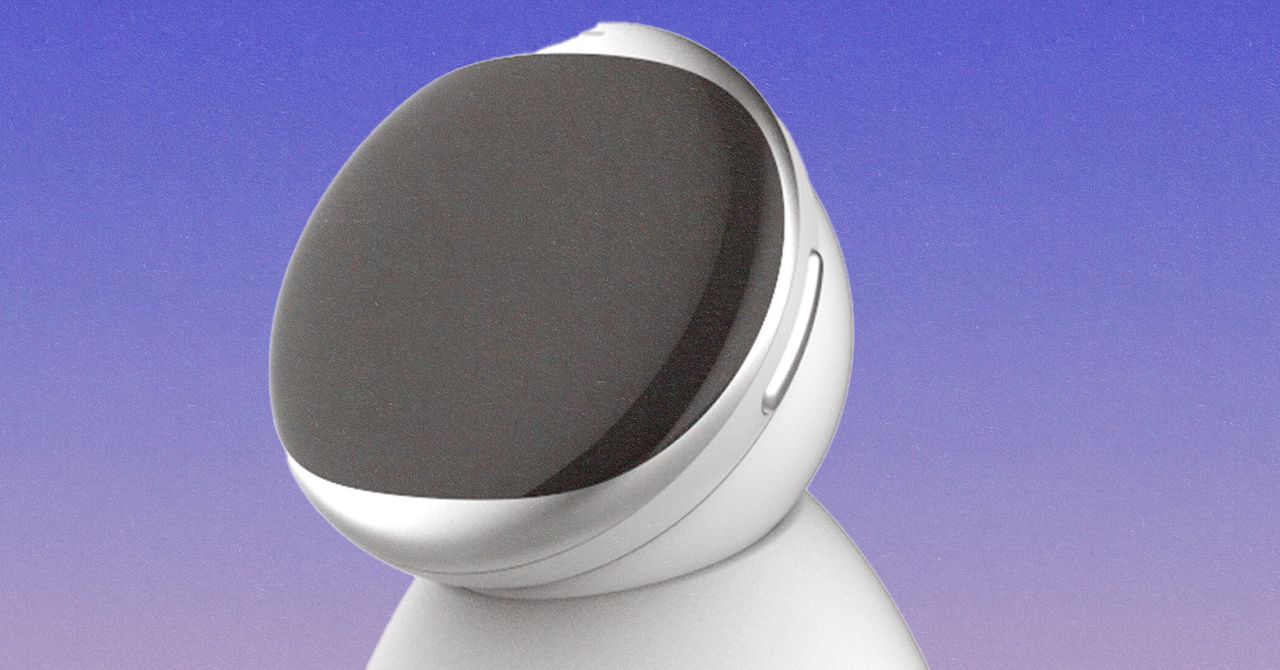
Jibo, the small social robot that charmed early adopters before its company collapsed and its servers went dark, is effectively back – though barely recognizable. A new product called iKairos is positioning itself as Jibo’s spiritual heir, carrying what its creators describe as “blessings” from the original Jibo founders. The device functions as a wearable or desk-mounted gadget, and its core pitch is straightforward: it watches your life and turns what it sees into AI-generated images and video.
That pitch will sit uneasily with anyone who remembers why people loved Jibo in the first place. The original robot earned genuine affection because it felt like a presence – something with personality, warmth, and a face that reacted to you. iKairos is not that. It is an AI journal that processes family moments and converts them into synthetic media. The connection to Jibo is a brand blessing, not a technological lineage.
What iKairos Actually Does
At its core, iKairos is a capture device. You wear it or place it on a desk, and it records the moments around you – meals, conversations, children playing – then runs those inputs through AI systems to produce images and video derived from what it witnessed. The company frames this as memory-keeping, a way to preserve family life through an automated creative lens.
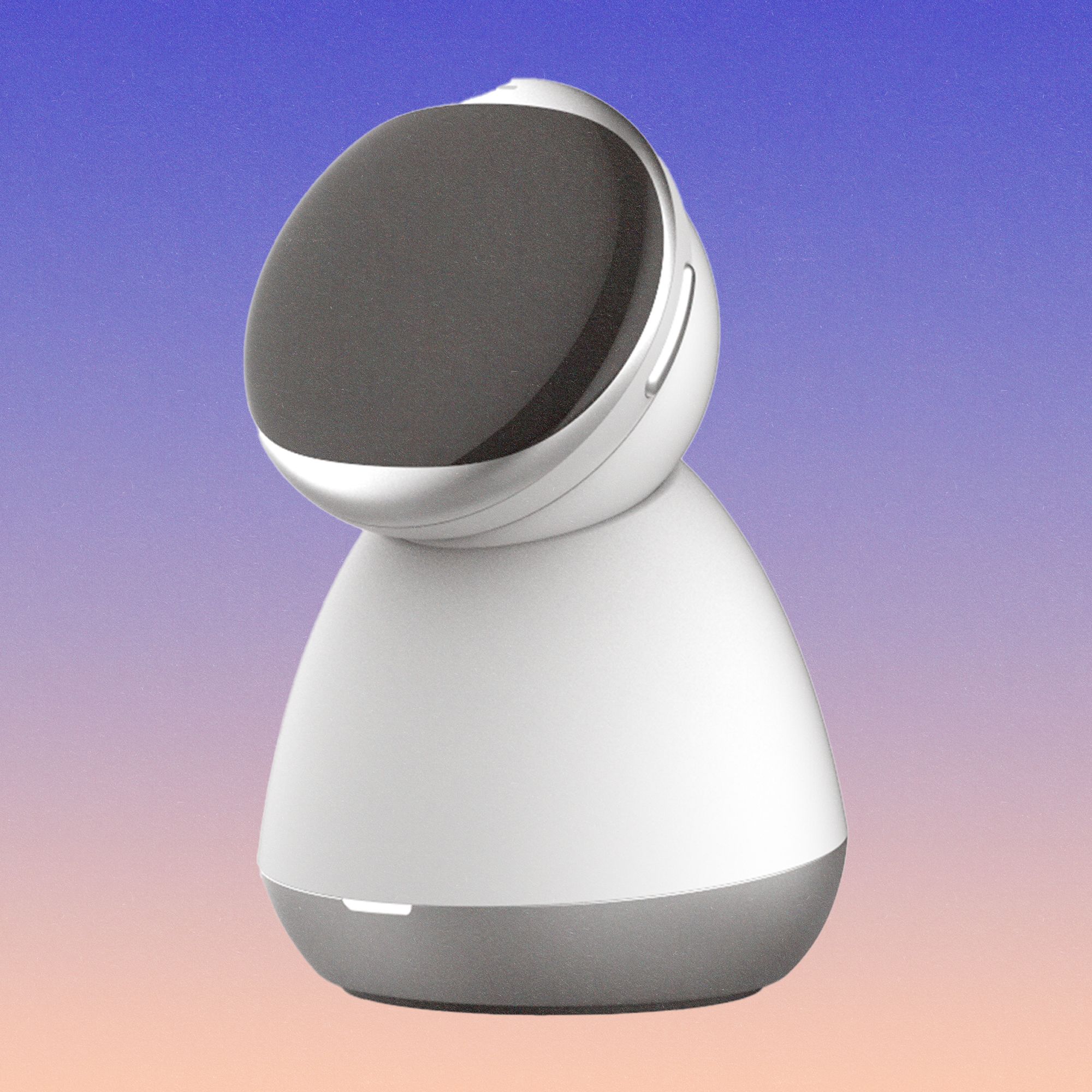
The product straddles two form factors by design. As a wearable, it sits on your body and passively captures what you encounter throughout the day. As a desk device, it functions more like a stationary observer in your home. Neither mode is passive in any meaningful sense – both configurations are feeding raw domestic life into an AI pipeline that outputs generated media, not recordings of what actually happened.
The Gap Between Nostalgia and Reality
Invoking Jibo is a deliberate strategic choice, and it is a heavy one. Jibo developed a genuinely devoted user base before its shutdown, and those users mourned its passing in ways that made headlines. There were farewell parties. People filmed their robots’ final moments. That emotional residue is real, and iKairos is drawing on it explicitly by securing the original founders’ endorsement.
But nostalgia is doing a lot of work here that the product itself may not be able to support. Jibo’s appeal was rooted in interaction – it danced, it told stories, it recognized faces and responded to them with something that felt like personality. iKairos captures and generates. The directionality is almost opposite: Jibo engaged outward toward users; iKairos ingests inward and produces synthetic artifacts.
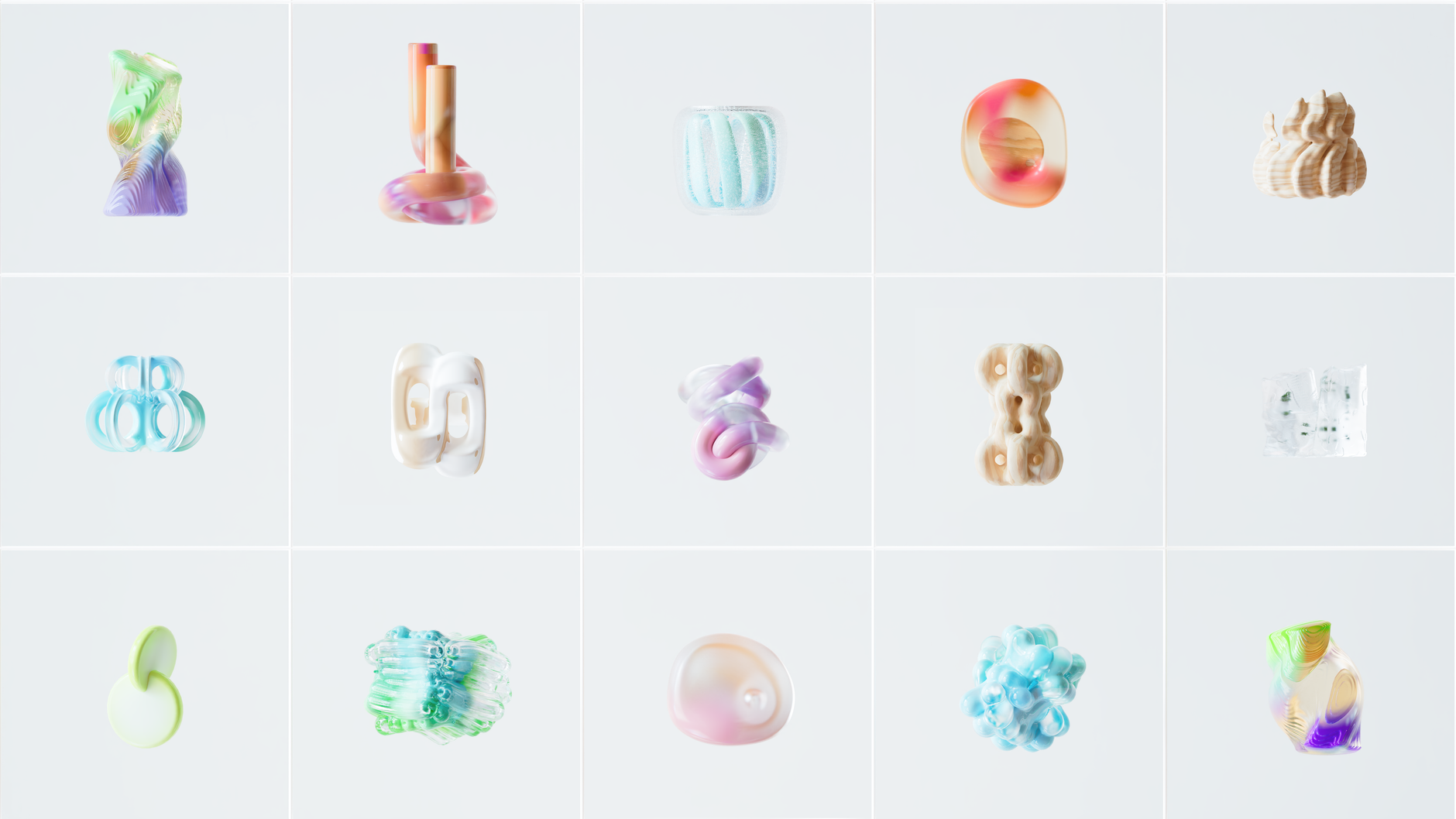
The output – AI-generated images and video derived from real family moments – raises a question that the product’s marketing framing does not fully address: what are you actually getting back? A generated image of your child’s birthday is not a photograph of it. It is an AI interpretation of an AI interpretation, filtered through whatever model iKairos runs under the hood. That is a meaningful distinction for something being sold as a memory tool.
The term “AI slop” – used critically to describe low-quality, mass-generated AI content that floods social feeds and creative spaces – does not typically get applied to personal memory devices. iKairos makes that application feel oddly appropriate. When your family moments are the raw input and synthetic media is the output, the slop is personalized, but it is still generated rather than preserved.
Wearables as Domestic Surveillance, Reframed
iKairos is not operating in a vacuum. The ambient capture device market has been building slowly for years, with products like Humane’s Ai Pin and the Rewind Pendant attempting to normalize always-on wearable recording as productivity and memory tools. Most of those products have struggled commercially and faced pointed criticism over privacy. iKairos enters the same category but angles toward family life specifically, which sharpens both the appeal and the concern.
Pointing a continuous capture device at your children and domestic spaces, then feeding that data into AI generation systems, is a choice with consequences that extend well beyond scrapbooking. Public skepticism toward devices that blur the line between personal technology and household monitoring is growing, and a product that generates synthetic media from real family moments sits directly in that contested territory.
What the Jibo Name Is Really Worth
The founders’ blessing is not a small thing commercially. Jibo’s shutdown in 2019 left users angry at the corporate decisions that killed a product they had backed and loved, but their feelings about the robot itself remained warm. Attaching iKairos to that emotional history gives the product a prebuilt audience of people who might otherwise dismiss another AI wearable as noise in a crowded market.
Whether that audience will accept the product as it actually is – a generation tool, not a companion – is a different question. Jibo users did not love their robots because the robots captured moments. They loved them because the robots were present. iKairos is asking people to extend that affection to a device whose entire output is fabricated media derived from the real moments it witnesses, and the original founders have signed off on the ask.
The desk-mounted version sits in your home and watches. The wearable version goes with you everywhere. Both versions hand the results to an AI and ask it to make something new out of what it saw. What comes back is not your memory – it is a model’s version of it.