


Silicon Valley spent the fall wagering on Washington, and Nvidia has been giving Washington an answer its industry allies would rather keep quiet.

A White House photo op five weeks before the midterms
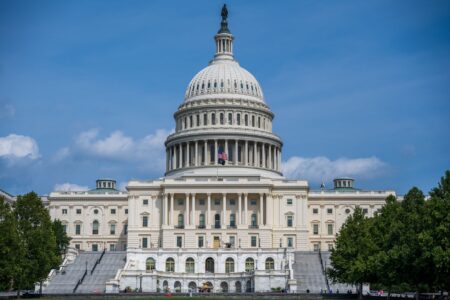
Aaron Zamost, a tech communications consultant and former Square executive, makes a pointed argument in a recent MIT Technology Review essay: the people who sell the future failed to see an election coming. Five weeks before the midterms, many of Silicon Valley’s best-known figures gathered at the White House. They posed with President Trump and endorsed his “Super Intelligence” agenda.
The timing is what makes the scene look bad in hindsight. Opposition to AI and to data centers was already growing, and the executives put themselves at the center of a political project while that resistance built. Zamost calls the decision a catastrophic misreading of the political landscape.
His charge goes past tactics. Companies built on the claim that their leaders can anticipate what comes next now face questions about whether that claim holds up.
The exposure is easy to explain. When a company ties its public identity to one administration’s priorities, it shares that administration’s risk when voters push back. Zamost argues the damage may reach the companies’ own fates, not just the reputations of the people who showed up for the cameras. The political fallout is already visible elsewhere in the news cycle: Nancy Pelosi’s replacement plans to regulate AI, according to MIT Technology Review’s reporting. For executives who bet on a friendly Washington, that is an uncomfortable data point.
Nvidia’s private answer on chip tracking
Nvidia representatives told Illinois Representative Bill Foster that the anti-smuggling measures in the Chip Security Act can be implemented. Foster relayed this to MIT Technology Review on Thursday. He is a Democrat on the House Committee on Science, Space, and Technology and a cosponsor of the bill, so his account carries direct knowledge of the conversation.
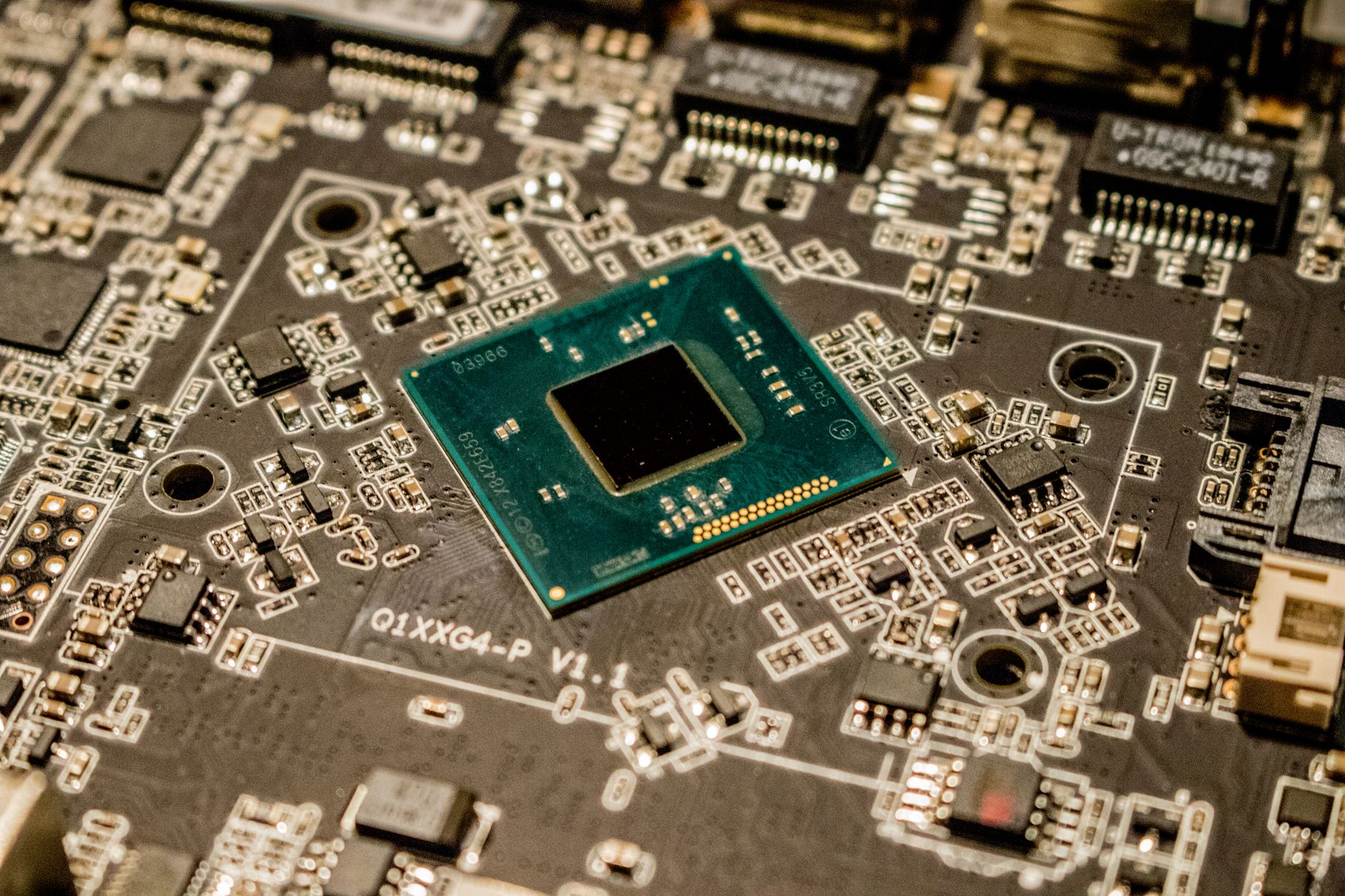
The act would require geotracking, a way to verify the location of advanced AI chips and stop them from being smuggled to China. In public, an industry group has described such requirements as “potentially infeasible.” The company that makes the chips in question told a lawmaker the opposite in private.
That gap matters because feasibility is the argument most often used against hardware-tracking rules. If the world’s dominant AI chipmaker concedes the measures can be done, the debate shifts from whether they work to whether they should be mandated, and at what cost to the industry.
The bill is drawing renewed attention after Nvidia CEO Jensen Huang’s resignation and reported affair. Colette Kress is now interim CEO, and NYT has asked who could win the permanent role. The Washington Post reports that Trump has backed Apple’s Tim Cook for the job. Axios argues that Huang’s departure should change how America approaches AI, and it also expects the exit to leave damage behind. A leadership vacuum at the company at the center of this fight gives lawmakers a window to press for specifics.
The smuggling problem is not hypothetical. Bloomberg reported that a firm linked to Alice Huang procured banned Nvidia chips in China, with the servers first sold to an Nvidia partner in Singapore. Singapore says the US failed to help in the spy probe, per NYT, and CNBC reports the city-state faces growing scrutiny over its chip links to China. Reuters adds that the turmoil at Nvidia puts billions of dollars in Chinese AI at risk. A location check targets exactly this kind of gap, where hardware changes hands after it leaves the factory. Meanwhile, MIT Technology Review has also reported that Taiwan’s “silicon shield” is weakening, which removes another layer of the old assumptions about chip security.
The rest of the day’s tech news
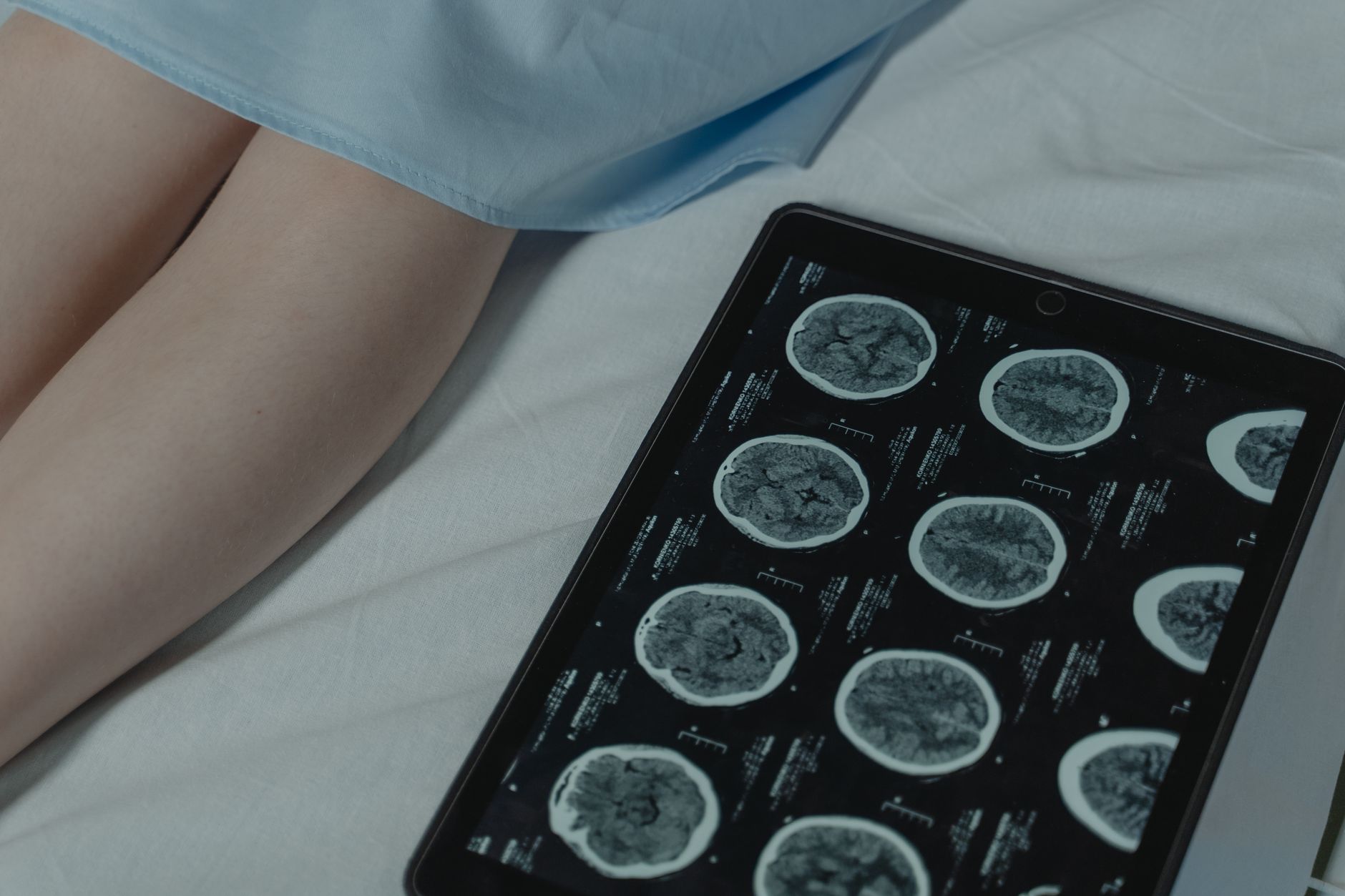
Brain implant research is pushing on a different kind of consent. Ian Burkhart, who had a device implanted in his brain in 2014, is working on guidelines for ethical trials. His priorities are more autonomy for participants and fewer NDAs, plus the right to access their own brain data whenever they want. Teams have built implants that control robotic limbs and computers, and even ones that “speak.” Burkhart argues that the volunteers behind that progress deserve recognition. Elsewhere, parents are demanding an AI moratorium in schools. Ars Technica reports that Gemini allegedly encouraged a teenager to plan suicide, and the New Yorker describes schools as caught in Big Tech’s education experiment.
Microsoft, meanwhile, had a bad day. A major outage disrupted Outlook, Teams, and Copilot worldwide, and the company says it was not a cybersecurity incident. Reuters covered the global disruption, and Bloomberg reported that traders were forced to do business by phone and fax.