



The smartphone industry’s obsession with thinner devices and sealed batteries seemed unstoppable just a few years ago. Now, a growing movement toward modular design is challenging that narrative, driven by environmental concerns and consumer demand for repairable technology.
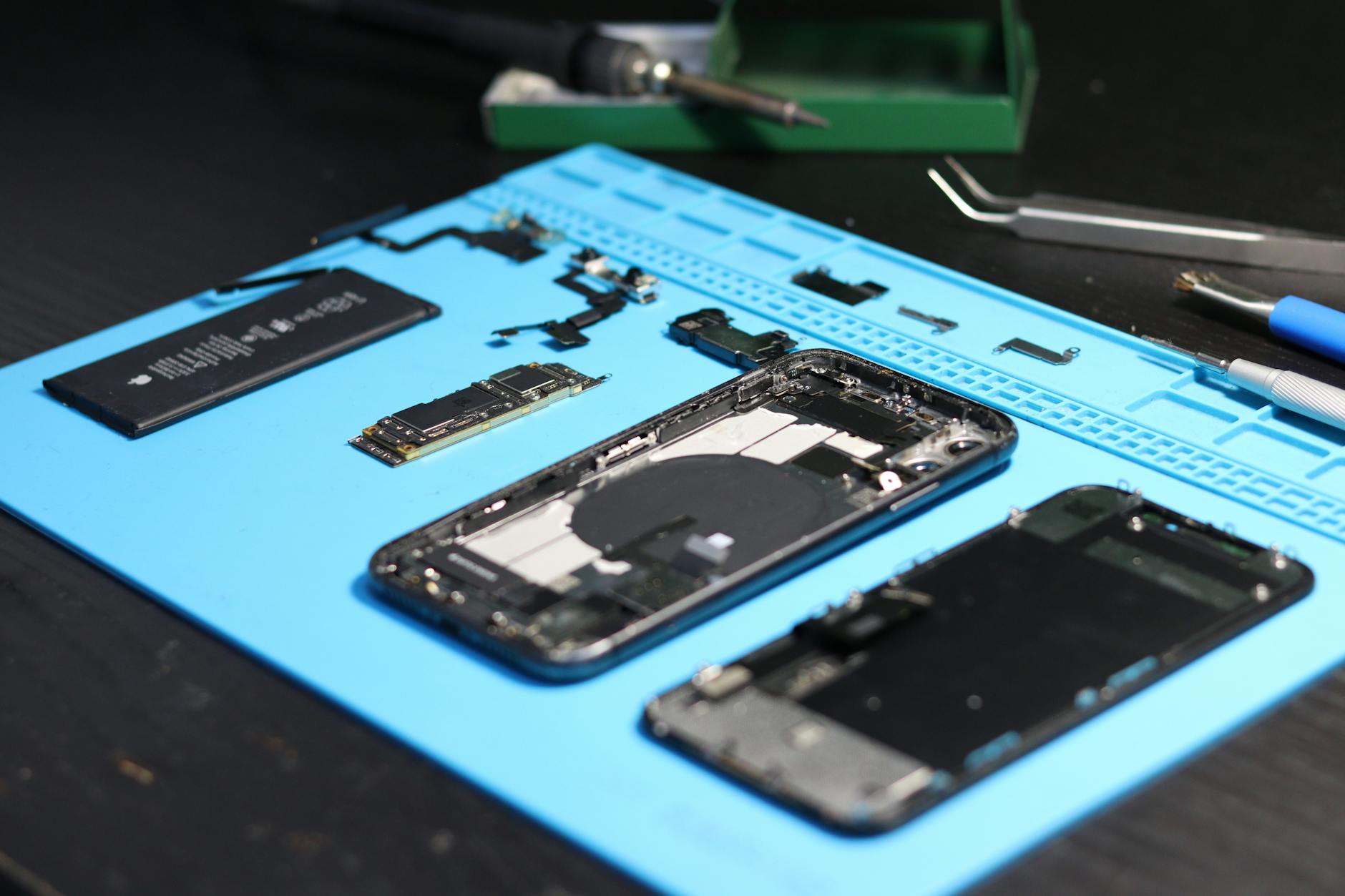
Modular smartphones allow users to replace individual components like cameras, batteries, speakers, or processors without discarding the entire device. While Google’s Project Ara famously failed in 2016, today’s modular phone revival takes a more practical approach focused on sustainability rather than endless customization.
The concept gained renewed momentum as right-to-repair legislation spreads globally and consumers grow increasingly conscious of electronic waste. Major tech companies now face pressure to design products that last longer and generate less environmental impact.
The Environmental Crisis Driving Change
Electronic waste represents one of the fastest-growing waste streams globally, with smartphones contributing significantly to the problem. The average smartphone contains precious metals like gold, silver, and rare earth elements that require energy-intensive mining processes.
Traditional smartphone manufacturing creates substantial carbon footprints. A typical device generates approximately 85 kilograms of CO2 equivalent during production, with most emissions occurring during component manufacturing rather than assembly.
Modular design addresses this by extending device lifespans dramatically. Instead of replacing entire phones every two to three years, users can upgrade specific components while keeping functional parts. This approach potentially reduces environmental impact by 30-50% compared to traditional replacement cycles.
Several startups now build smartphones designed for longevity. Fairphone, a Dutch company, creates devices with easily replaceable components including displays, batteries, cameras, and speakers. Users can perform most repairs with basic screwdrivers, eliminating the need for specialized tools or technical expertise.
The Framework laptop demonstrated how modular design could work in practice, achieving mainstream success with its swappable ports and upgradeable components. This success story provides a blueprint for smartphone manufacturers considering similar approaches.
Technical Innovations Making Modular Possible
Modern modular smartphones overcome many technical challenges that plagued earlier attempts. Improved connector technology ensures reliable connections between components while maintaining device durability and water resistance.
Advanced materials science enables stronger yet lighter frameworks that accommodate modular components without compromising structural integrity. New polymer compounds and metal alloys provide the flexibility needed for frequent assembly and disassembly.
Thermal management represents a critical breakthrough. Early modular phones struggled with heat distribution across separable components. Current designs incorporate sophisticated thermal interface materials and heat pipe systems that maintain optimal temperatures regardless of component configuration.
Software adaptation also improved significantly. Modern operating systems better handle hardware changes, automatically recognizing new components and adjusting performance profiles accordingly. Machine learning algorithms optimize battery life and processing power based on installed modules.
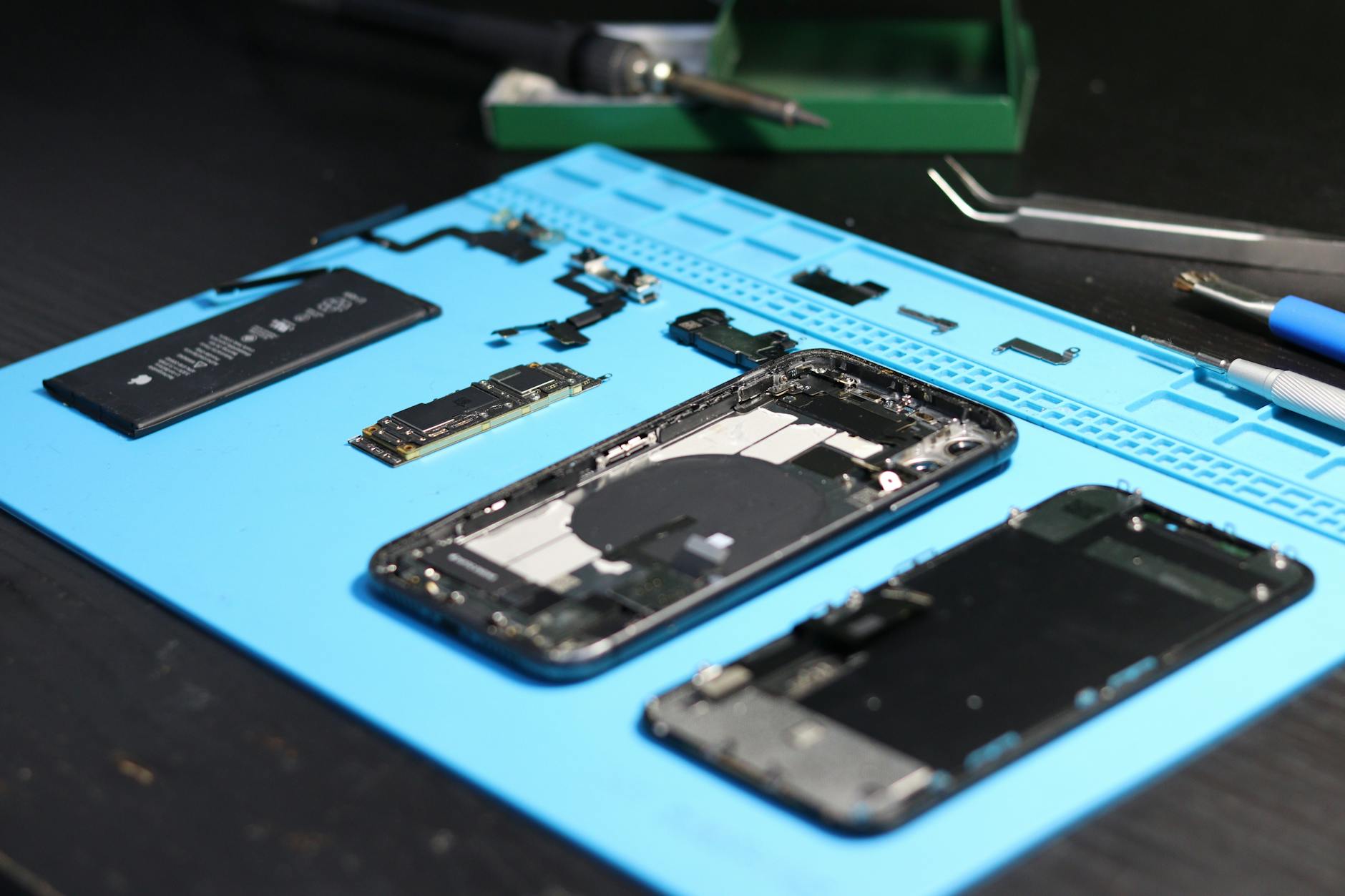
Component standardization efforts, similar to those seen in the PC industry, help reduce costs and increase compatibility. Industry consortiums work on common connector standards and form factors that allow components from different manufacturers to work together seamlessly.
Battery technology advances particularly benefit modular designs. New lithium-ion chemistries provide higher energy density in smaller packages, while improved charging circuits reduce heat generation during power delivery. Some modular phones now support hot-swappable batteries, allowing users to replace power cells without shutting down the device.
Market Response and Consumer Adoption
Consumer interest in sustainable technology drives significant market demand for repairable devices. Surveys indicate that over 70% of smartphone users express interest in devices they can repair themselves, particularly younger demographics concerned about environmental impact.
Repair cafes and community workshops report increasing attendance as people seek alternatives to device replacement. These grassroots movements demonstrate growing consumer comfort with hands-on technology repair, creating favorable conditions for modular smartphone adoption.
Corporate sustainability initiatives also influence purchasing decisions. Companies implementing environmental policies often prefer modular devices for employee technology, as they align with carbon reduction goals and demonstrate commitment to sustainable practices.
Early adopters of current modular smartphones report high satisfaction levels, particularly regarding repairability and component upgrade flexibility. While these devices sometimes sacrifice thinness for modularity, users typically find the trade-off acceptable given the environmental and economic benefits.
The smartphone accessory market adapts to support modular designs. Third-party manufacturers develop specialized components, cases, and tools designed specifically for modular devices. This ecosystem growth indicates industry confidence in the segment’s viability.
Manufacturing partnerships between modular phone companies and established component suppliers improve quality and reduce costs. These relationships enable smaller companies to access high-quality cameras, processors, and displays previously available only to major manufacturers.
Challenges and Future Outlook
Despite growing interest, modular smartphones face significant obstacles. Manufacturing costs remain higher than traditional designs due to smaller production volumes and additional engineering complexity. This cost differential typically results in higher retail prices that may limit mainstream adoption.
Carrier support represents another challenge. Mobile network operators often subsidize traditional smartphones through service contracts, but similar programs for modular devices remain limited. This creates a purchasing barrier for consumers accustomed to discounted or free phone upgrades.
Technical limitations persist in certain areas. Achieving the same level of water and dust resistance as sealed devices requires careful engineering and may compromise modularity in some components. Camera modules, in particular, present challenges due to precise alignment requirements for optical systems.

The industry’s momentum toward modular design appears sustainable, driven by regulatory pressure and environmental consciousness. The European Union’s proposed right-to-repair legislation specifically addresses smartphone repairability, potentially mandating design changes that favor modular approaches.
Major smartphone manufacturers reportedly explore modular concepts in their research and development programs. While these companies haven’t announced consumer products, their investigation suggests mainstream adoption may occur within the next few years.
Similar to how cities are adopting innovative waste management systems to address environmental challenges, the tech industry increasingly embraces sustainable design principles that prioritize longevity over disposability.
The modular smartphone revival represents more than just a technical trend – it signals a fundamental shift in how consumers and manufacturers approach technology ownership. As environmental concerns intensify and repair culture grows, modular design may become the new standard rather than an alternative approach.
Success will likely depend on achieving cost parity with traditional devices while maintaining performance and user experience standards. Companies that master this balance could define the next era of sustainable technology design.
Frequently Asked Questions
What are modular smartphones?
Modular smartphones allow users to replace individual components like batteries, cameras, or speakers without discarding the entire device.
Why are modular phones becoming popular again?
Growing environmental awareness, right-to-repair legislation, and consumer demand for sustainable technology drive the modular smartphone revival.