



Extreme Politics Goes Mainstream on the Ballot
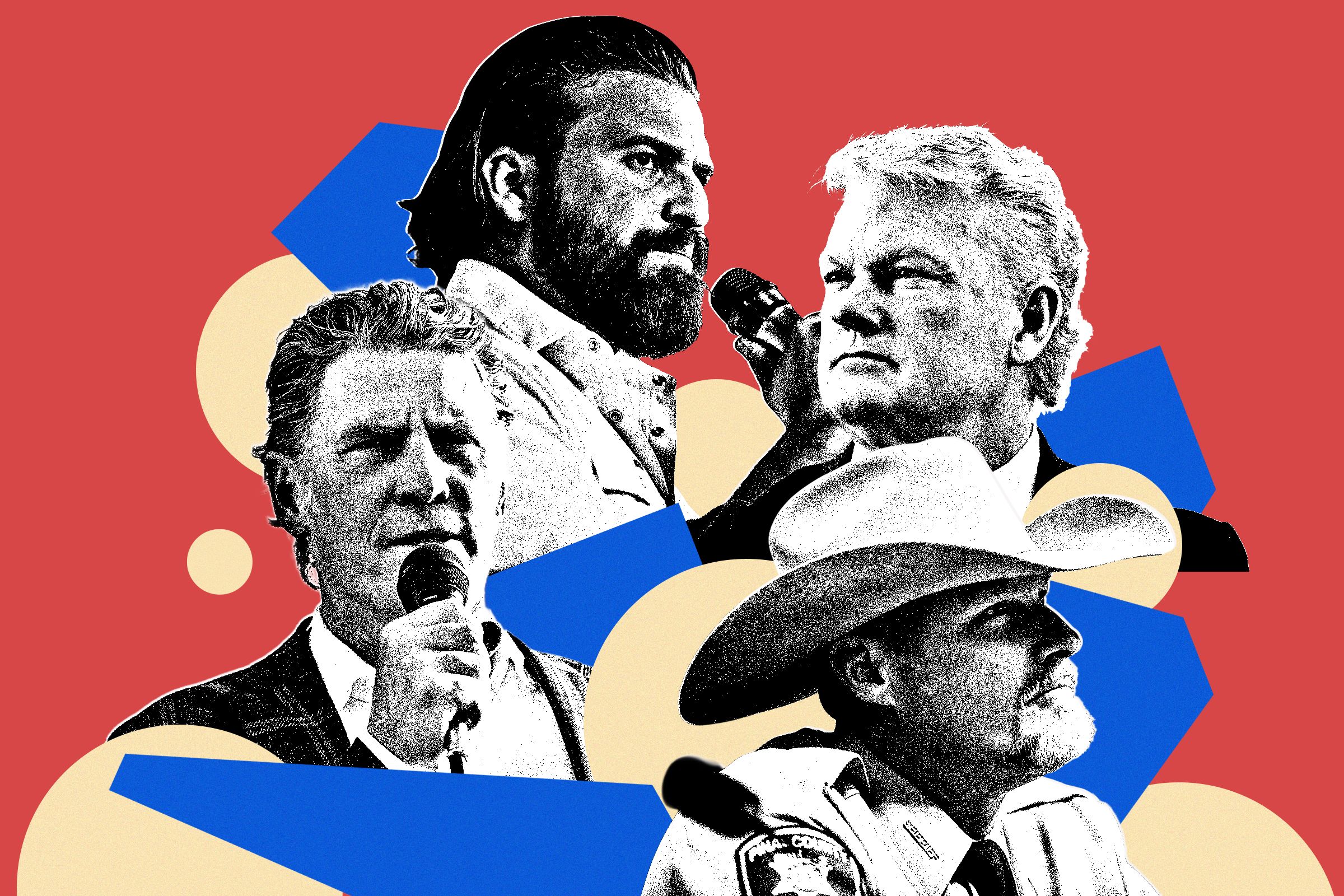
Across state and federal races heading into November, a wave of Republican candidates is publicly endorsing positions that include racism, pro-militia advocacy, anti-vaccine rhetoric, sexism, antisemitism, and outright secessionism – while the broader threat of political violence in the United States continues to escalate.

What the Candidates Are Actually Saying
These are not fringe whispers or leaked private communications. The positions being documented are openly shared – on campaign websites, social media accounts, and at public events. State-level candidates and those running for federal office alike are making these views part of their public platforms, calculating that the current political climate rewards rather than punishes such declarations.
The breadth of the ideological territory on display is striking. Anti-vaccine stances have moved well beyond skepticism about COVID-19 mandates into wholesale rejection of established public health science. Pro-militia positions go further than Second Amendment advocacy, explicitly endorsing armed civilian groups operating outside government oversight. Secessionist views – once the province of isolated political actors – are now surfacing in mainstream GOP primary races.
Racist and antisemitic content is appearing not as dog-whistle subtext but as direct messaging. Sexist positions, similarly, are being stated rather than implied. Candidates holding these views are not hiding them from voters; they are running on them. That shift in political behavior – from concealment to open promotion – marks a meaningful change in how extremist ideology functions within electoral politics.
The digital infrastructure of modern campaigning has made tracking these candidates easier than it was a decade ago. Social media posts, recorded speeches, and archived campaign materials create a public record that researchers and journalists can examine systematically. The candidates themselves often seem unbothered by that visibility, which suggests they do not view documentation as a political threat.
Political Violence as the Backdrop
None of this is happening in a vacuum. The threat level for political violence in the United States is currently described as being at extreme heights – a climate in which the open promotion of militia-friendly and secessionist politics carries real-world consequences beyond the ballot box. When candidates normalize armed civilian groups through campaign rhetoric, they are not just signaling ideology; they are contributing to a broader environment in which political violence becomes more thinkable.
Anti-vaccine advocacy, while not directly tied to violence, has demonstrable public health consequences that technology platforms have spent years grappling with. The fact that candidates can still build electoral strategies around vaccine rejection points to the limits of content moderation and platform policy. Removing a post is one thing; removing a candidate from a ballot is quite another, and the legal and democratic complications involved mean that the political system has no clean mechanism for addressing the problem.
Antisemitism and racism operating at this level of openness in electoral politics create documented harm in affected communities regardless of whether any given candidate wins their race. The visibility of the platform itself amplifies the messaging. A losing candidate who draws significant vote share still demonstrates to others that this kind of politics is viable – which is precisely why political scientists treat even unsuccessful extremist campaigns as meaningful data points.
Secessionist positions introduce a different category of concern. A candidate advocating for a state’s separation from the United States is not proposing a policy adjustment – they are proposing the dismantling of constitutional governance. When such candidates appear on ballots, they are using the democratic system to campaign against the democratic system, a tension that electoral law was not designed to resolve cleanly.
The sexism documented among these candidates tends to focus on rolling back protections and representation rather than preserving any existing status quo. That framing – active reversal rather than passive resistance – distinguishes the current cohort from earlier generations of conservative candidates who might have opposed new protections while not explicitly targeting existing ones. The directness, again, appears to be a feature rather than a liability in how these campaigns are being run.
Technology’s Role in Both Amplifying and Exposing the Problem
The same platforms that help these candidates broadcast extremist views also generate the paper trail that makes accountability journalism possible. Every public post, every uploaded rally video, every campaign email collected by researchers adds to a documented record. Organizations tracking extremism in electoral politics rely heavily on the open architecture of social media to build candidate profiles – a method that works precisely because these candidates are not trying to hide.

What remains unresolved is whether documentation translates into electoral consequence. Voters in these races are aware, in many cases, of what their candidates stand for. The question going into November is not whether these views are hidden – they are not – but whether enough voters in enough districts treat them as disqualifying. That calculation, district by district, is what will determine how many of these candidates end up holding office in January.