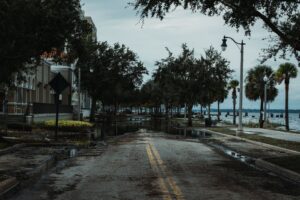


Waymo temporarily halted its service in San Francisco after a storm left several of its robotaxis unable to get through flooded streets. The stalled vehicles caused traffic jams, and the company responded by pausing rides instead of leaving more cars to run into the same water.
No one is reporting a collision or an injury here. The failure was that driverless cars stopped moving in places where other vehicles needed to pass. That kind of problem is easy to overlook in a technology pitched around safety, and it deserves more attention than it usually gets.
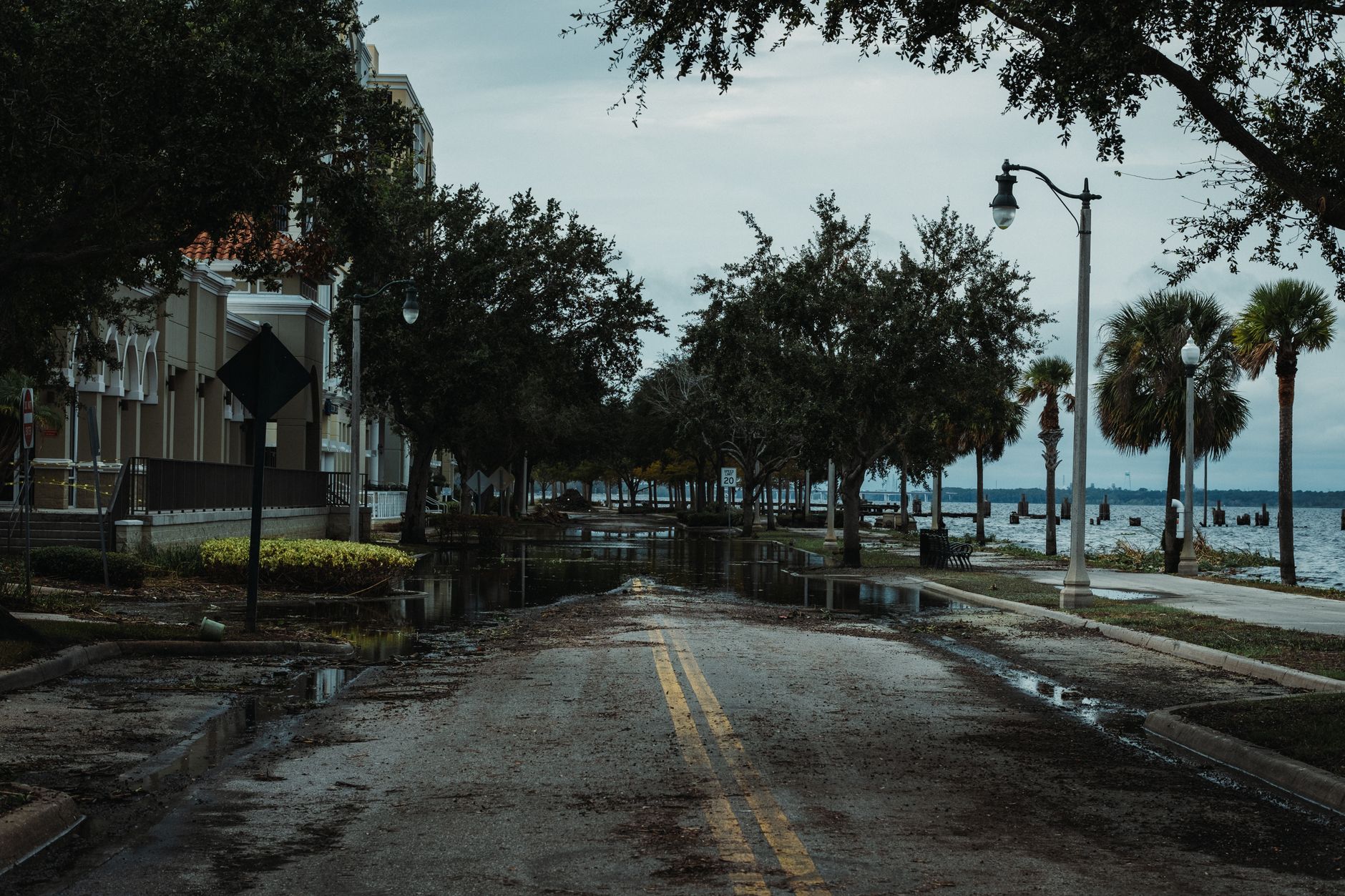
Why standing water stumps a driverless car
A human driver who meets a flooded intersection makes a quick, messy judgment. They look at how high the water sits against the curb, watch what the car ahead does, and decide whether to push through, turn around, or wait. Often they simply know the street, and they know the dip near the corner always pools after rain.
A robotaxi has to rebuild that judgment from sensor data. Water across a road can hide lane markings, bury the curb line, and throw back reflections that look nothing like dry pavement. Depth is the hardest part. A shallow film and a foot of water can look much alike from the driver’s seat, and an automated system has no gut feeling to settle the question. When the software cannot be confident about what is under the surface, the cautious choice is to stop.
Stopping is the right instinct for a single car. It becomes a problem when the street fills with similar cars making the same decision, because each one becomes an obstacle for everything behind it. The traffic jams that followed were not a side effect of the failure. They were the failure.
A pause is a decision, not an accident
Waymo’s response was to pause the service. That choice has a cost: riders lose a way of getting around during exactly the kind of weather when many people want a ride instead of a walk or a wait at a bus stop. Pulling cars off the road also concedes that the system cannot yet handle a condition San Francisco’s weather can produce.
It is still the more defensible option. Leaving a fleet in service while some cars strand themselves in floodwater would add to congestion and could block the emergency vehicles that storms tend to summon. Suspending service is an old, conservative tool from other industries, from airlines grounding flights to transit agencies halting trains, and applying it here suggests the company is treating this as an operational limit rather than a glitch to be patched on the fly.
The weather problem has a different shape than the crash problem
Much of the public argument about autonomous vehicles centers on crashes: who is at fault, how a car behaves in an emergency, whether it hits something it should have avoided. Those questions matter, but this episode points somewhere else. A robotaxi can drive carefully, follow every rule, and still fail a city by not being able to continue.
That is a harder thing to measure and a harder thing to market. A crash is a discrete event with a clear record. A stalled car on a flooded street produces no dramatic footage, only a line of irritated drivers and a ride that never arrives. Yet for a service that wants to replace a taxi or a rideshare trip, reliability in bad conditions is part of the product. People do not only order cars on clear afternoons.
The storm also exposes how a self-driving fleet scales its mistakes. One confused human driver blocks one lane. When many vehicles share the same software and meet the same unfamiliar condition, they can respond the same way at the same moment. The very consistency that makes automated driving predictable on a dry day can work against it when the road stops looking like the roads the system was built around.
For San Francisco, the consequences land on the city as much as on the company. The streets belong to everyone, and a fleet that clogs them during a storm turns a private product’s limits into a public inconvenience. Regulators, residents, and rival operators will all read the episode through that lens, whatever the explanation turns out to be.
The original report does not say how many vehicles were affected or how long the pause lasted, and those details will shape how serious this looks in hindsight. A handful of cars stuck for a short stretch is a nuisance. A broad, extended shutdown would raise bigger questions about whether the service can be relied on in winter weather at all.
What the company does between now and the next storm is the real test. Does it teach the cars to read floodwater well enough to turn around early, or does it simply decide in advance that heavy rain means no rides? And if the answer is the second one, how often will San Francisco’s weather make that call for it?