



A Funding Milestone Meets a Plagiarism Claim
Corgi, an insurance technology startup backed by Y Combinator, was riding a wave of industry attention when a public accusation threatened to undermine its reputation almost overnight. Papermark, a document-sharing software company, claimed that Corgi had taken its open source product and built upon it without proper attribution or compliance with the original license terms.
Corgi has denied the allegations entirely, stating that it did not steal Papermark’s software. The dispute has since spilled beyond a simple corporate disagreement, pulling into focus a much wider question about how AI-assisted development tools – often described as vibe coding – are changing who can write software, and whether those developers always understand what they’re shipping.

What Papermark Actually Alleged
Papermark’s accusation was direct: Corgi had taken its open source product. Open source software is not the same as software with no strings attached. Depending on the license governing a project – whether MIT, GPL, Apache, or another framework – a company using that code may be required to publish its own modifications, credit the original authors, or avoid incorporating the code into proprietary commercial products altogether. Violating those terms doesn’t just create ethical friction; it can expose a company to legal liability even when the underlying code was freely downloadable by anyone.
Papermark positioned its accusation publicly, which meant the story gained traction quickly in developer communities where open source licensing violations are taken seriously. The startup community, particularly around Y Combinator cohorts, operates on reputation as much as revenue – especially at early stages where a company may have more buzz than customers.
Corgi’s denial did not include a detailed technical breakdown of exactly how its codebase differs from Papermark’s, at least not in the information made available publicly. That absence of a granular rebuttal leaves the question technically open, even as Corgi maintains its position is clean. The dispute has not been resolved through any announced legal proceeding or independent audit as of the reporting date.

Vibe Coding at the Center
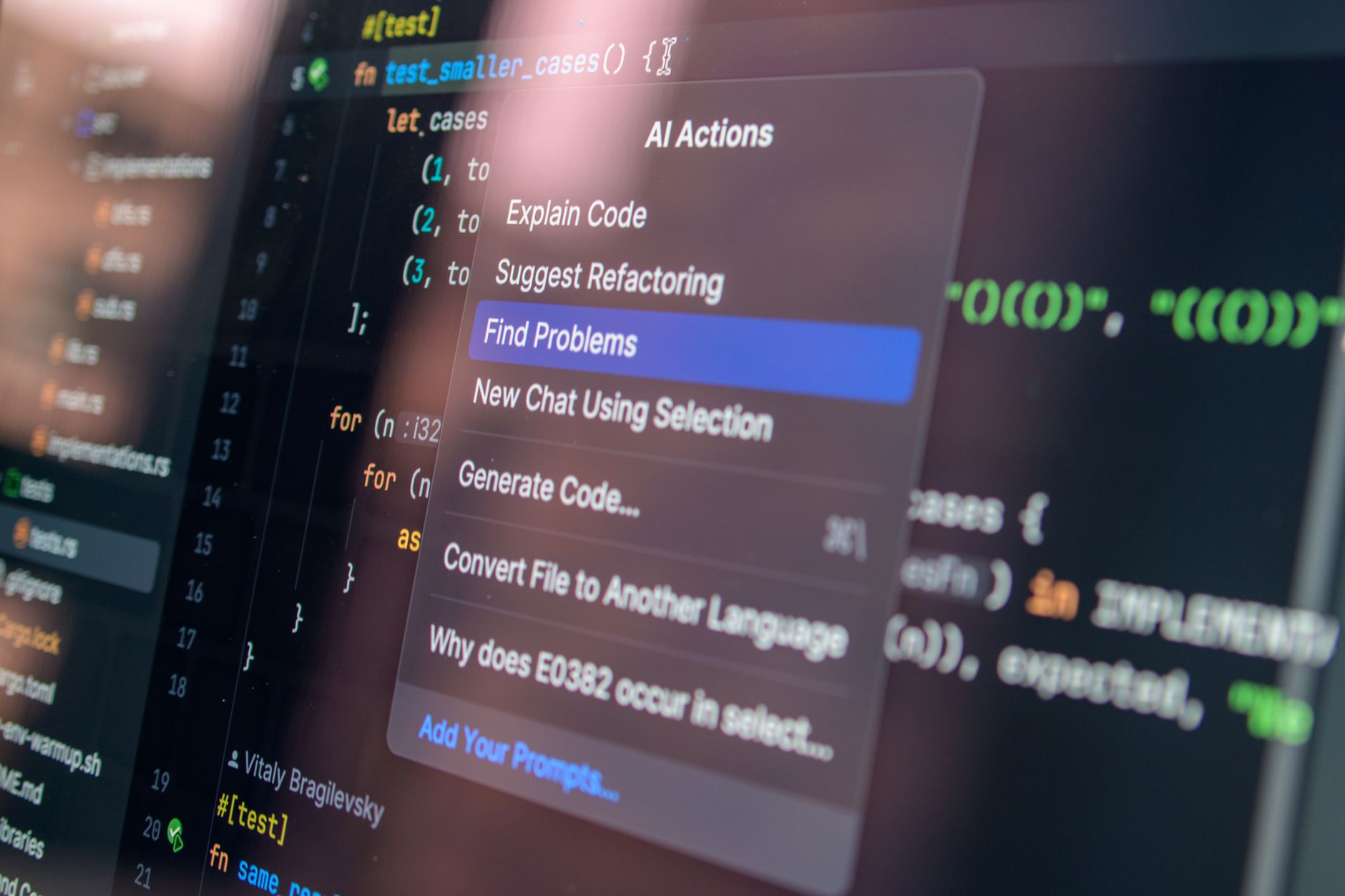
The controversy has reignited a pointed debate about vibe coding – a term used to describe the practice of building software primarily by prompting AI tools rather than writing code manually. Developers using this approach can produce working applications rapidly without necessarily understanding every library, dependency, or external snippet the AI draws upon to generate output.
That gap between what gets built and what the builder understands is where disputes like this one become complicated. If an AI coding assistant generates a block of code that closely resembles or directly reproduces an open source project, the human founder pressing the keys may not recognize it – but ignorance of a license violation doesn’t nullify it. The Corgi situation, regardless of how it ultimately resolves, illustrates exactly the kind of accountability problem that emerges when the speed of AI-assisted development outpaces a founder’s working knowledge of software provenance.
What This Means for AI-Built Startups
Y Combinator has become one of the most visible accelerators funding companies built largely or entirely through AI coding tools. The model makes sense on paper: lower the technical barrier to entry, bring in more founders with domain expertise in fields like insurance, and let AI handle the implementation layer. Corgi fits that profile – an insurance-focused startup where the core value proposition is presumably industry knowledge and product design rather than raw engineering depth.
But the Papermark accusation points to a structural risk in that approach. When a founder doesn’t write the code themselves, they may also not audit it. Open source ecosystems function on a kind of social contract – maintainers publish their work freely in exchange for credit, compliance, and sometimes contribution back. A startup that inadvertently violates that contract through AI-generated code is still in violation, and the community that discovered Papermark’s claim made clear it intends to hold that line.
The insurance technology sector already carries heavy regulatory scrutiny around data handling, software reliability, and vendor accountability. An unresolved question about whether Corgi’s codebase respects third-party licenses adds a layer of risk that investors, enterprise clients, and regulators in that space are unlikely to ignore. For a startup still in early growth stages, reputational friction in a compliance-heavy industry can matter more than in a consumer app context where users are less likely to run due diligence on the software stack.
Y Combinator has not made a public statement on the dispute. Corgi’s denial stands as the company’s official position, but the specific technical evidence supporting that denial has not been made public in a form that would allow independent verification. Whether Papermark pursues the matter further – through legal channels or continued public pressure – will likely determine how much lasting damage the controversy causes.
At the core of this dispute is a single unresolved technical question: how much of Corgi’s code, if any, originated with Papermark’s open source project – and under what terms was it used?