



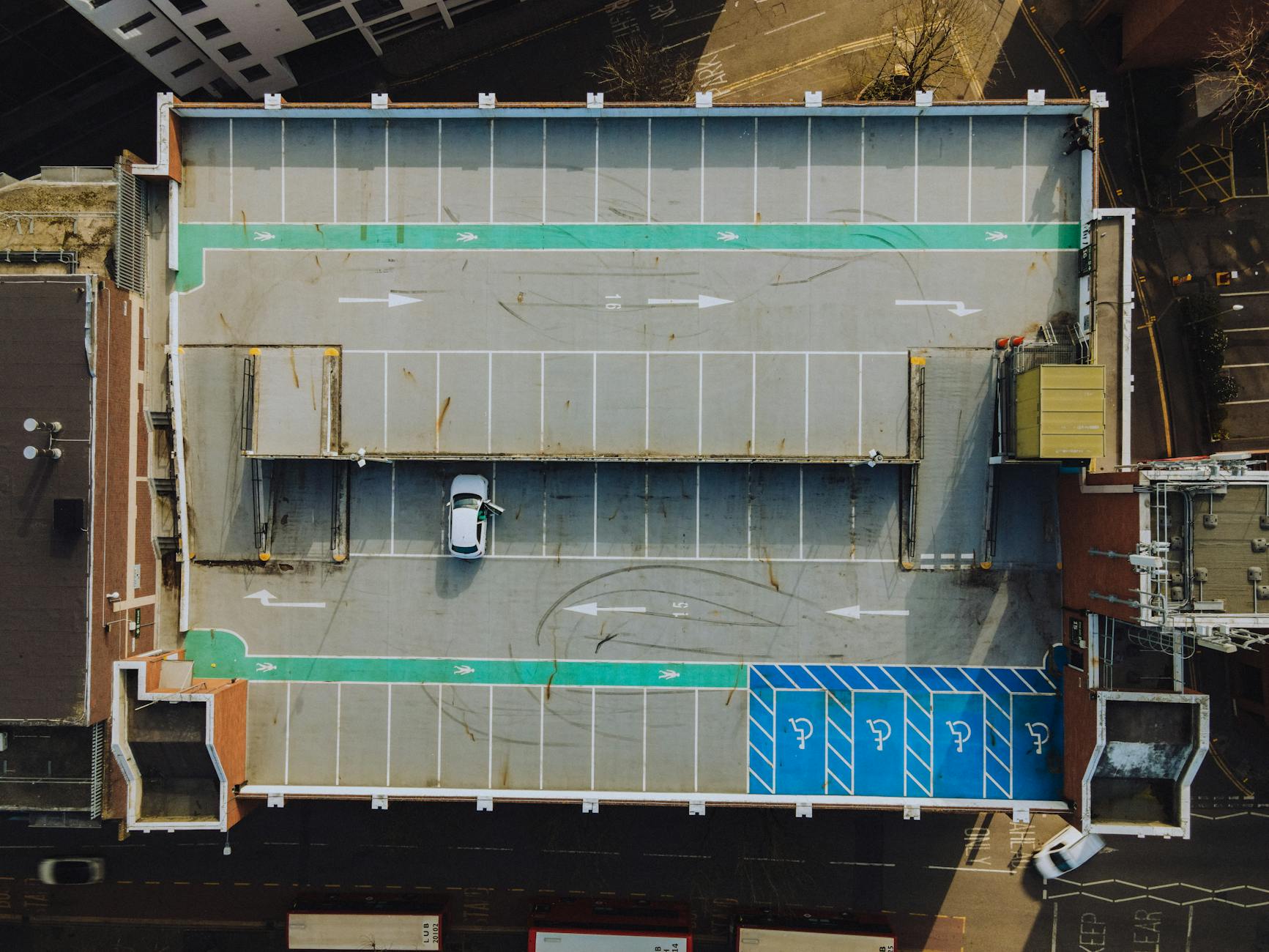
Concrete jungles are getting a green makeover. Across major cities worldwide, vast asphalt parking lots are being transformed into dual-purpose energy powerhouses, with solar panel canopies sprouting above car spaces like technological trees. From Los Angeles to Barcelona, urban planners are discovering that these elevated installations solve multiple problems at once – generating clean electricity while providing shade for vehicles and reducing the heat island effect that plagues metropolitan areas.
The concept isn’t entirely new, but recent technological advances and shifting economics have made solar canopies a viable solution for cities desperate to meet climate goals while maximizing limited urban space. Unlike rooftop installations that require structural modifications to existing buildings, parking lot canopies can be constructed on readily available land that cities already own or control.
The Economics Behind the Solar Canopy Boom
The financial mathematics of solar canopies have fundamentally changed over the past five years. Installation costs have dropped by approximately 30% since 2019, while energy efficiency has improved dramatically. Cities are finding that a single large parking structure can generate enough electricity to power hundreds of homes while creating additional revenue streams through enhanced parking fees and energy sales back to the grid.
Los Angeles leads this transformation with over 50 major parking facilities now featuring solar canopies. The city’s Department of Water and Power reports that these installations generate more than 15 megawatts of clean energy annually. Meanwhile, European cities like Amsterdam and Copenhagen have integrated solar canopies into their broader urban sustainability initiatives, often combining them with electric vehicle charging stations.
The technology has evolved beyond simple panel placement. Modern solar canopies incorporate smart grid connections, battery storage systems, and integrated LED lighting. Some installations include rainwater collection systems, creating mini-ecosystems that serve multiple environmental functions. Cities are partnering with private companies through power purchase agreements, reducing upfront costs while guaranteeing long-term energy savings.
Corporate partnerships have accelerated adoption rates. Major retailers like Target and Walmart have installed solar canopies over their parking lots, demonstrating the commercial viability of the technology. These installations often generate more electricity than the stores consume, feeding excess power back into local grids and providing additional revenue streams.
Urban Heat Islands Meet Their Match
Beyond energy generation, solar canopies address one of urban planning’s most pressing challenges – the heat island effect. Asphalt parking lots can reach temperatures exceeding 150 degrees Fahrenheit during summer months, contributing to higher air conditioning costs and reduced air quality in surrounding neighborhoods.
Solar panel canopies create shade that reduces surface temperatures by up to 40 degrees compared to exposed asphalt. This cooling effect extends beyond the immediate area, helping to moderate temperatures in adjacent buildings and public spaces. Phoenix, Arizona, where summer temperatures regularly exceed 115 degrees, has made solar parking canopies a cornerstone of its heat mitigation strategy.
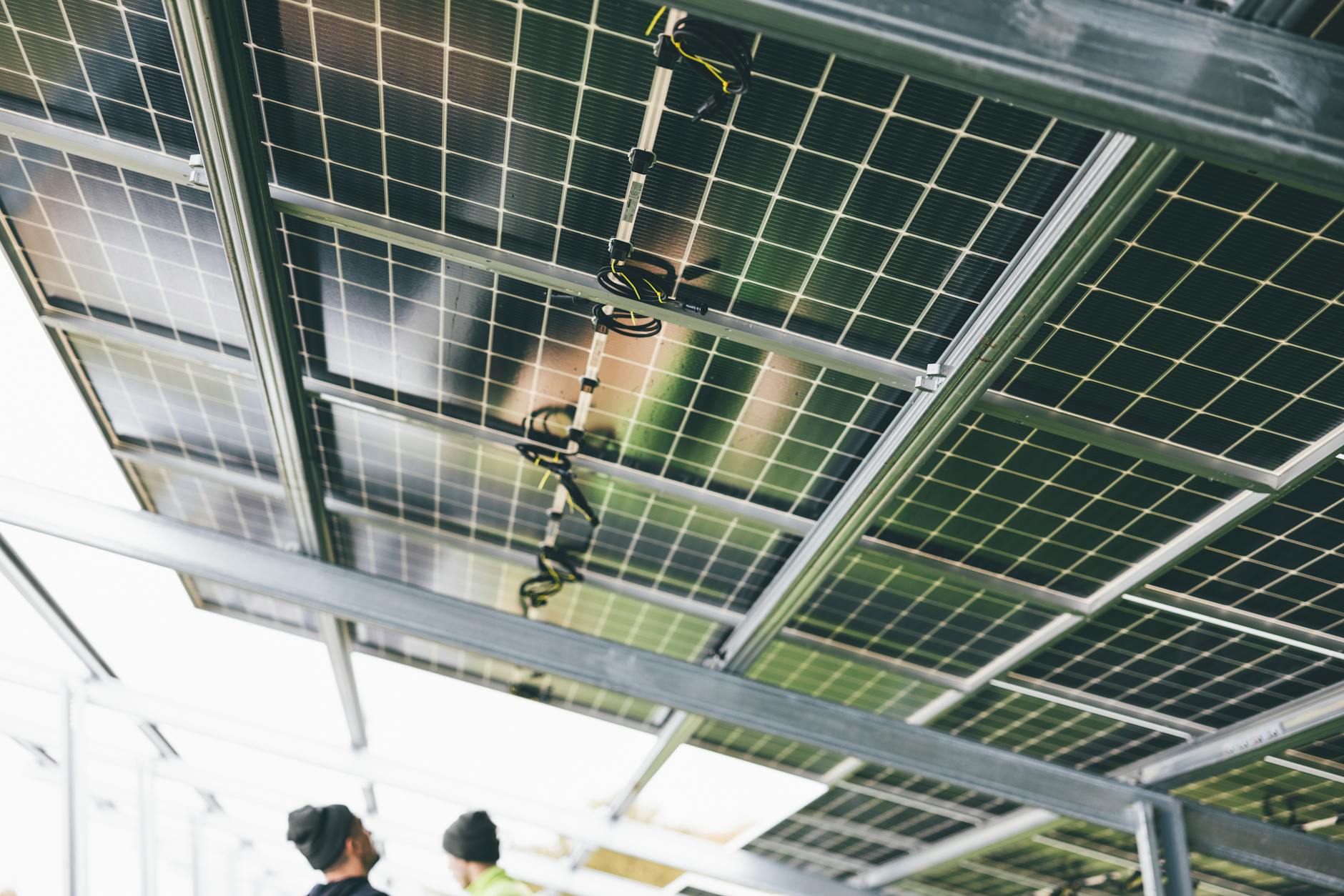
The cooling benefits extend to vehicles parked beneath the structures. Studies from Arizona State University show that cars parked under solar canopies maintain interior temperatures up to 25 degrees cooler than those in direct sunlight. This reduction decreases air conditioning loads when drivers return to their vehicles, contributing to lower emissions and fuel consumption.
Cities are also discovering that solar canopies improve public safety and comfort in parking areas. The integrated LED lighting systems provide consistent illumination while the covered spaces offer protection from rain and UV radiation. Many installations include electric vehicle charging stations, supporting the transition to cleaner transportation options.
The psychological impact shouldn’t be overlooked either. Residents and visitors report higher satisfaction with parking experiences in solar-canopied lots, leading to increased foot traffic for nearby businesses and improved public perception of municipal environmental initiatives.
Engineering Challenges and Innovative Solutions
Installing solar panels over parking lots requires sophisticated engineering solutions that differ significantly from traditional rooftop installations. Wind loads present the primary challenge, as elevated structures must withstand severe weather conditions while maintaining electrical connections and structural integrity.
Modern designs incorporate flexible mounting systems that allow panels to move slightly during high winds, reducing stress on support structures. Cities in hurricane-prone areas like Miami and New Orleans have developed specialized designs that can withstand Category 3 storm conditions. These installations often feature quick-disconnect systems that allow panels to be lowered or secured during severe weather warnings.
Snow loads present another engineering consideration in northern cities. Minneapolis and Denver have pioneered designs that use panel angles to encourage snow shedding while maintaining optimal solar collection throughout winter months. Some installations include heating elements that prevent ice formation on critical structural components.
The electrical infrastructure requires careful planning to integrate with existing city power systems. Many installations incorporate microinverters and smart monitoring systems that allow real-time adjustment of power output based on grid demands. This technology enables cities to participate in demand response programs, earning additional revenue by adjusting power production during peak usage periods.
Maintenance access has driven innovation in support structure design. Modern installations include walkways and service platforms that allow technicians to clean panels and perform routine maintenance without disrupting parking operations below. Some systems incorporate automated cleaning mechanisms that use minimal water while maintaining peak energy efficiency.
The Ripple Effects on Urban Development
Solar parking canopies are influencing broader urban development patterns as cities recognize their multiple benefits. Zoning codes are being updated to incentivize or require solar installations in new parking facilities. Some jurisdictions offer expedited permitting for projects that incorporate renewable energy generation.
The technology is spurring innovation in related sectors. Just as major libraries are installing 3D printing labs for communities, parking facilities are becoming community resources that extend beyond simple vehicle storage. Some installations include public Wi-Fi, electric device charging stations, and information kiosks.
Real estate developers are incorporating solar canopies into new commercial and residential projects from the initial design phase. This integration approach reduces costs and creates more aesthetically pleasing installations that complement surrounding architecture. Mixed-use developments increasingly feature solar parking as a selling point to environmentally conscious tenants and buyers.

Cities are discovering that solar canopies can serve as anchor points for broader smart city initiatives. The electrical infrastructure required for solar installations can support additional technologies like air quality sensors, traffic monitoring systems, and emergency communication networks. This convergence creates economies of scale that make multiple smart city technologies more financially viable.
The success of parking lot solar installations is inspiring similar applications in other urban spaces. Transit authorities are exploring solar canopies for bus stops and train platforms. School districts are installing them over playgrounds and sports facilities. Even cemetery operators are considering solar installations that provide both energy generation and weather protection for visitors.
As cities worldwide commit to carbon neutrality goals, solar parking canopies represent a pragmatic solution that delivers immediate benefits while building infrastructure for a more sustainable future. The technology continues evolving rapidly, with next-generation installations promising even greater efficiency and integration with urban systems. What started as a simple idea – putting solar panels over parking lots – has become a catalyst for reimagining how cities use space, generate energy, and create more livable environments for residents and visitors alike.
Frequently Asked Questions
How much do solar parking canopies cost to install?
Installation costs have dropped 30% since 2019, with cities often using power purchase agreements to reduce upfront expenses.
Do solar canopies work in areas with severe weather?
Modern designs withstand Category 3 hurricanes and heavy snow loads using flexible mounting systems and specialized engineering.