



Major gaming companies are transforming abandoned department stores and empty retail spaces into high-tech esports arenas, betting that the future of competitive gaming lies not in basements or bedrooms, but in bustling shopping centers across America. This unexpected marriage of digital competition and physical retail represents one of the most intriguing trends reshaping both the gaming industry and the struggling mall ecosystem.
The movement gained momentum when Riot Games opened its first permanent esports venue in Los Angeles, followed by similar initiatives from companies like HyperX and local gaming organizations nationwide. These aren’t temporary pop-ups or marketing stunts – they’re permanent facilities with professional-grade equipment, spectator seating, and broadcast capabilities designed to host everything from amateur tournaments to professional league matches.
Filling the Retail Void with Gaming Culture
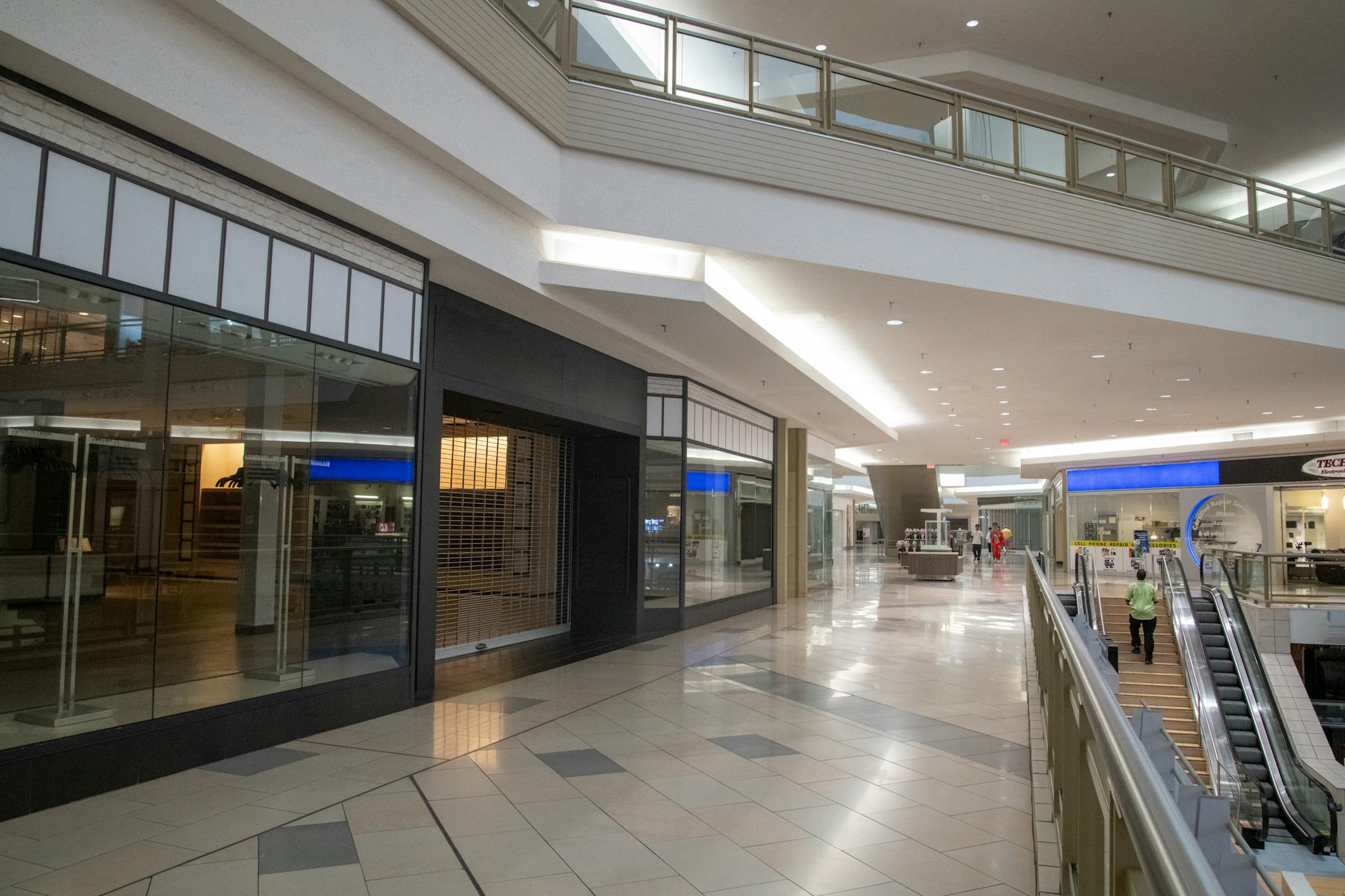
The decline of traditional retail has left shopping malls with unprecedented vacancy rates. According to industry reports, mall vacancy hit record highs in recent years as anchor stores like Sears, JCPenney, and Macy’s shuttered locations nationwide. Gaming companies see opportunity in this crisis, securing prime real estate at significantly reduced lease rates.
“We’re getting spaces that would have cost millions a decade ago for a fraction of the price,” explains one gaming center developer who requested anonymity. “Mall owners are desperate for tenants who can drive foot traffic, especially younger demographics.”
These esports venues typically occupy 5,000 to 15,000 square feet – perfect for former clothing retailers or electronics stores. The existing infrastructure of shopping centers, including parking, food courts, and accessibility features, makes them ideal for hosting tournaments that can draw hundreds of participants and spectators.
The timing aligns perfectly with esports’ explosive growth. Prize pools for major tournaments now exceed tens of millions of dollars, and viewership numbers rival traditional sports broadcasts. Professional gaming has evolved from niche hobby to mainstream entertainment, creating demand for dedicated venues that can provide the production value and atmosphere that major competitions require.
Technology Infrastructure Drives Location Decisions
The technical demands of modern esports explain why gaming companies are willing to invest heavily in physical locations. Professional gaming requires ultra-low latency internet connections, specialized lighting for streaming, and acoustic engineering to manage crowd noise without interfering with player communication.
Shopping malls often have robust internet infrastructure originally installed for multiple retail tenants, making them attractive to gaming companies who need reliable, high-speed connections for dozens of gaming stations simultaneously. The existing electrical systems can typically handle the power demands of high-end gaming PCs and streaming equipment without major renovations.
Some venues are incorporating edge computing capabilities to minimize latency for competitive gaming, processing data closer to players rather than routing it through distant servers. This technology advancement, similar to how edge computing is revolutionizing various industries, gives these physical locations a competitive advantage over home setups.
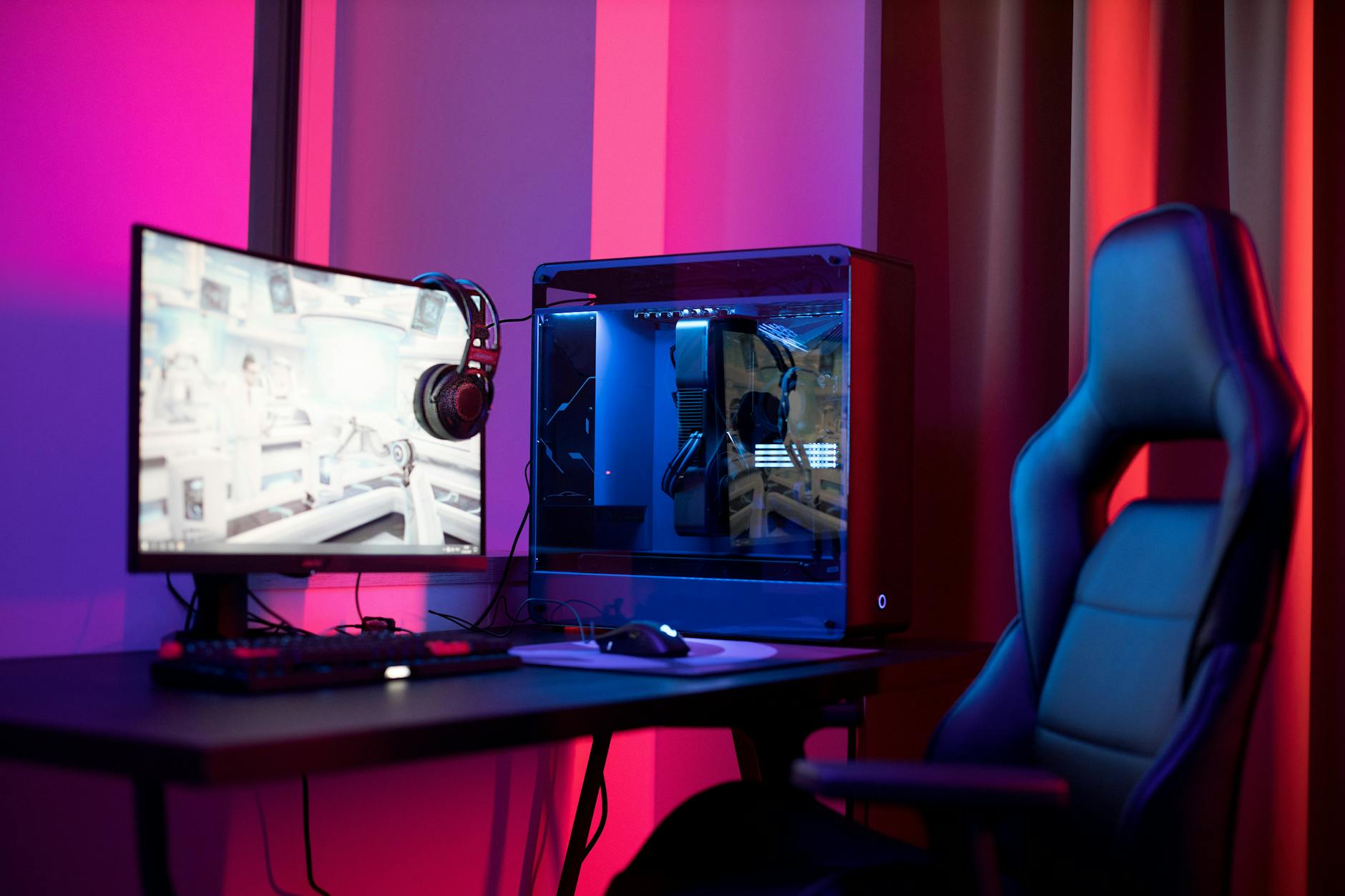
The controlled environment also allows for standardized equipment across all gaming stations. Players can expect identical monitors, keyboards, mice, and PCs – eliminating the hardware variables that can impact competitive integrity in online tournaments.
Community Building Beyond Online Play
While online gaming dominates daily play, the social aspect of in-person competition is driving the arena trend. Gaming companies report that their physical venues host everything from casual meetups to corporate team-building events, expanding beyond traditional esports demographics.
These spaces function as community hubs where gamers can improve their skills through coaching programs, participate in leagues organized by skill level, and attend workshops on streaming, game development, and content creation. Many venues partner with local schools and colleges to host educational esports programs and career development workshops.
The venues also serve as content creation studios. Streamers and YouTubers book time to produce high-quality videos in professional settings, complete with green screens, professional lighting, and audio equipment. This additional revenue stream helps justify the overhead costs of maintaining large physical spaces.
Food and beverage sales provide another income source, with many venues featuring gaming-themed cafes or partnering with local restaurants. Some locations host viewing parties for major tournaments, creating a sports bar atmosphere for esports fans.
Expanding the Gaming Economy
The physical presence of gaming companies in shopping centers is attracting complementary businesses to these locations. Gaming accessory retailers, computer repair shops, and electronics stores are following the foot traffic generated by esports venues.
Some shopping center owners are designating entire wings as “gaming districts,” clustering related businesses to create destination shopping for the gaming community. These mini-ecosystems include gaming cafes, merchandise stores, and even apartment complexes marketed to gaming professionals and content creators.
The trend is also influencing real estate development outside traditional malls. Purpose-built entertainment complexes now include gaming venues alongside movie theaters, bowling alleys, and restaurants, recognizing esports as a legitimate entertainment category worthy of dedicated space.
Local economic impact extends beyond the venues themselves. Major tournaments can bring thousands of visitors to a region, filling hotels and restaurants while generating media coverage for host cities. This tourism aspect makes gaming venues attractive to local economic development agencies seeking to diversify their entertainment offerings.

The transformation of dead retail space into vibrant gaming communities represents more than just clever real estate arbitrage. It signals the maturation of esports from online phenomenon to legitimate entertainment industry requiring professional infrastructure and community spaces.
As gaming technology continues advancing and younger generations embrace esports as both entertainment and career path, these physical venues provide the foundation for sustained industry growth. The success of early adopters is already inspiring expansion plans, with major gaming companies reportedly scouting locations in secondary markets across the country. The mall may be dead, but it’s being reborn as the unlikely home of competitive gaming’s future.
Frequently Asked Questions
Why are gaming companies choosing shopping malls for esports venues?
Malls offer large spaces at reduced lease rates, existing infrastructure like parking and internet, and central locations that attract foot traffic.
What makes physical gaming venues better than playing at home?
Professional venues provide standardized equipment, ultra-low latency connections, and controlled environments essential for competitive gaming integrity.