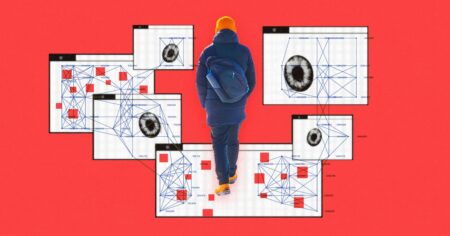



The Decade-Long Promise Finally Delivers
Augmented reality glasses have shed their reputation as expensive tech demos. After years of clunky prototypes and failed launches, major manufacturers are shipping consumer-ready models that actually work in daily life. Apple’s Vision Pro sparked mainstream interest earlier this year, while Meta’s latest Ray-Ban smart glasses prove that AR doesn’t require bulky headsets. The technology that once seemed decades away is now sitting on store shelves.
The transformation happened quietly. Instead of chasing sci-fi fantasies, companies focused on solving real problems. Today’s AR glasses handle navigation, translation, and productivity tasks without the motion sickness and battery drain that plagued early models. Manufacturing costs dropped dramatically as display technology matured and chip efficiency improved.

Hardware Finally Catches Up to Vision
Modern AR glasses weigh less than traditional sunglasses while packing impressive computing power. Companies like Nreal, Rokid, and Xreal ship lightweight models that connect to smartphones for processing, eliminating the heat and battery issues that made first-generation devices unwearable.
The display breakthrough came from microOLED technology. These tiny screens deliver crisp images while consuming minimal power. Unlike earlier models that projected fuzzy overlays, current glasses render sharp text and graphics that blend naturally with the real world. Users report reading notifications and following GPS directions without eye strain.
Processing moved off-device for most consumer models. Rather than cramming processors into frames, smart glasses now rely on connected phones or dedicated compute units. This approach dramatically reduced weight while improving performance. Meta’s partnership with Ray-Ban demonstrates how familiar eyewear designs can house sophisticated sensors and displays.
Battery life improved from hours to full days of regular use. Efficient chips and better power management let users wear AR glasses throughout their workday. Some models offer swappable batteries built into the temple arms, ensuring uninterrupted use during long sessions.
Real Applications Drive Adoption
AR glasses found their killer apps in navigation and translation. Walking directions appear directly in your field of view, eliminating the need to constantly check your phone. Language barriers dissolve as text translation happens in real-time through the lenses. These practical applications prove more compelling than gaming or entertainment uses that dominated early marketing.
Professional users embrace AR for hands-free workflows. Warehouse workers scan barcodes and access inventory data without tablets. Technicians view repair instructions overlaid on equipment they’re servicing. Medical professionals reference patient data during procedures. These enterprise applications funded development while proving the technology’s value.
Social features remain controversial but drive engagement. Some models let users share what they see through live streaming, though privacy concerns limit adoption in many settings. Photo and video recording capabilities worry observers about surveillance, leading to design choices that make recording obvious to others nearby.

The connection to existing ecosystems matters more than standalone features. Apple’s ecosystem integration lets Vision Pro users access their iPhone apps in a spatial interface. Google’s AR glasses connect seamlessly with Android devices and Google services. This ecosystem approach reduces friction for new users already invested in these platforms.
Privacy and Social Acceptance Challenges
Consumer adoption faces significant social hurdles. Many venues ban recording devices, limiting where users can wear smart glasses. The “Glasshole” stigma from Google’s early consumer launch lingers, making some hesitant to wear obvious tech on their faces. Companies respond with designs that look like normal eyewear and clear indicators when recording.
Privacy regulations vary dramatically across regions. European GDPR requirements limit data collection capabilities, while some US states restrict facial recognition features. These regulatory differences force manufacturers to offer region-specific software versions, complicating global product launches.
Battery anxiety affects user behavior even with improved power management. Many users develop charging routines similar to smartphone habits, plugging in overnight and carrying portable batteries for extended use. The fear of running out of power during important tasks influences purchasing decisions and daily usage patterns.
Data security concerns grow as glasses collect intimate behavioral data. Unlike smartphones that users consciously activate, AR glasses continuously monitor the wearer’s environment and activities. Companies invest heavily in on-device processing and encryption to address these concerns, though users remain cautious about cloud-connected features.
Market Momentum Builds Despite Obstacles
Sales figures remain modest but show steady growth. Industry analysts project significant adoption acceleration over the next two years as prices fall and capabilities expand. The current market resembles smartphones in 2007 – functional but expensive products that hint at transformative potential.
Enterprise customers drive initial volume while consumer interest builds gradually. Businesses justify higher prices for productivity gains, subsidizing the development costs that eventually benefit consumer markets. This pattern mirrors early smartphone and tablet adoption cycles.
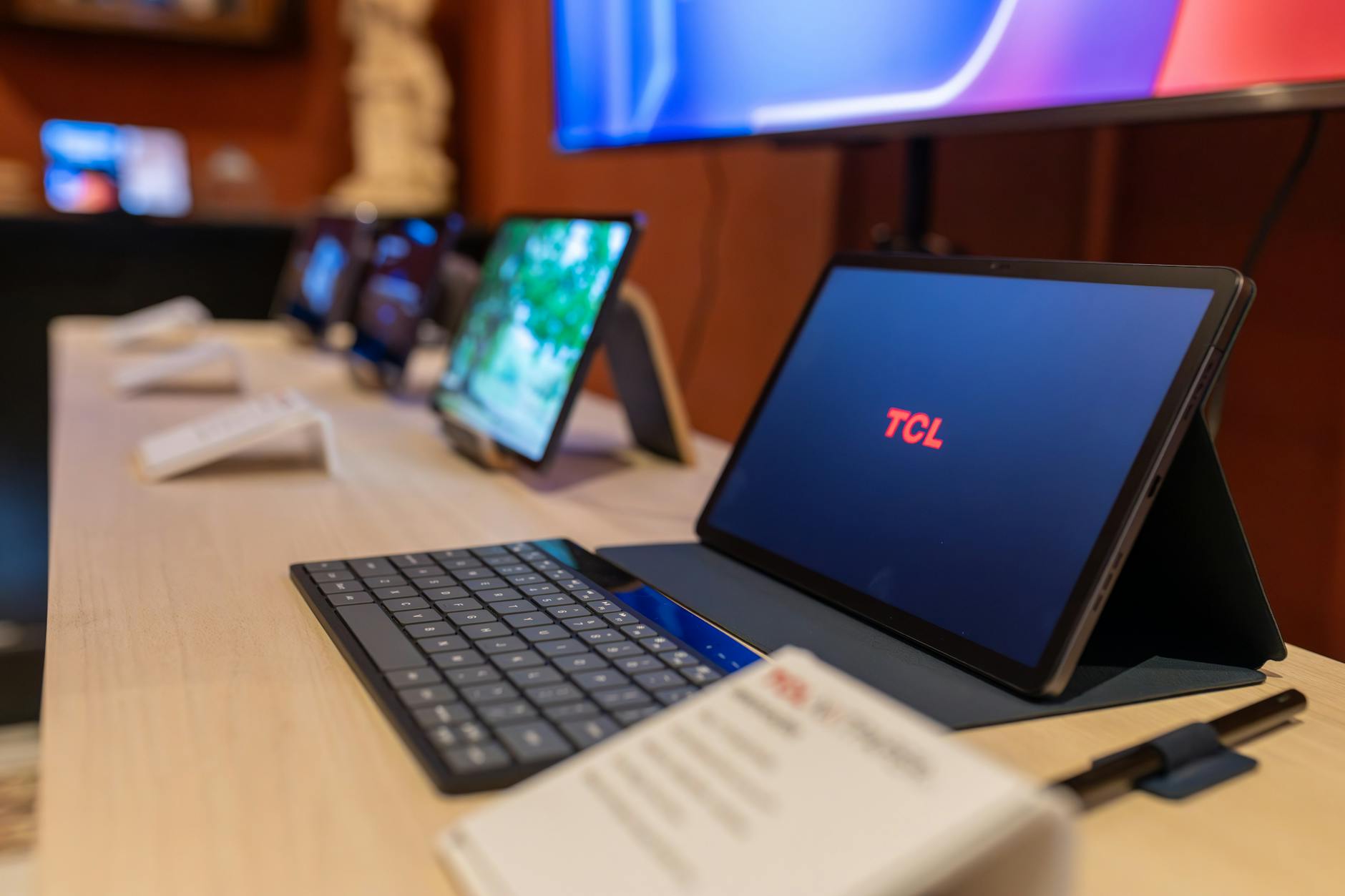
The competition intensifies as traditional eyewear companies enter the market. Luxottica’s partnership with Meta brings fashion expertise to smart glasses design. Warby Parker experiments with prescription AR lenses. These collaborations address the style concerns that limit tech company success in the fashion-conscious eyewear market.
Manufacturing capacity expands rapidly as demand grows. Asian suppliers ramp production of specialized components like waveguide displays and miniaturized cameras. This scaling reduces costs while improving quality, following the familiar consumer electronics playbook that made smartphones ubiquitous.
Future iterations promise even more compelling features. Prescription lens integration eliminates the need for separate eyewear. Improved field of view and resolution approach natural vision quality. As noted in discussions about voice commerce trends, hands-free interaction becomes increasingly important as we adapt to new technology interfaces.
The decade-long development cycle finally delivers on augmented reality’s consumer promise. While adoption will take time, the fundamental technology challenges are solved. AR glasses transition from expensive experiments to practical tools that enhance daily life without overwhelming it. The next phase focuses on refinement rather than breakthrough innovation, suggesting mainstream adoption is finally within reach.
Frequently Asked Questions
How long do AR glasses batteries last now?
Modern AR glasses offer full-day battery life with regular use, a major improvement over earlier models that lasted only hours.
What are the main uses for consumer AR glasses?
Navigation, real-time translation, hands-free notifications, and productivity tasks are the most popular consumer applications currently.