


A New Vehicle, New Markets
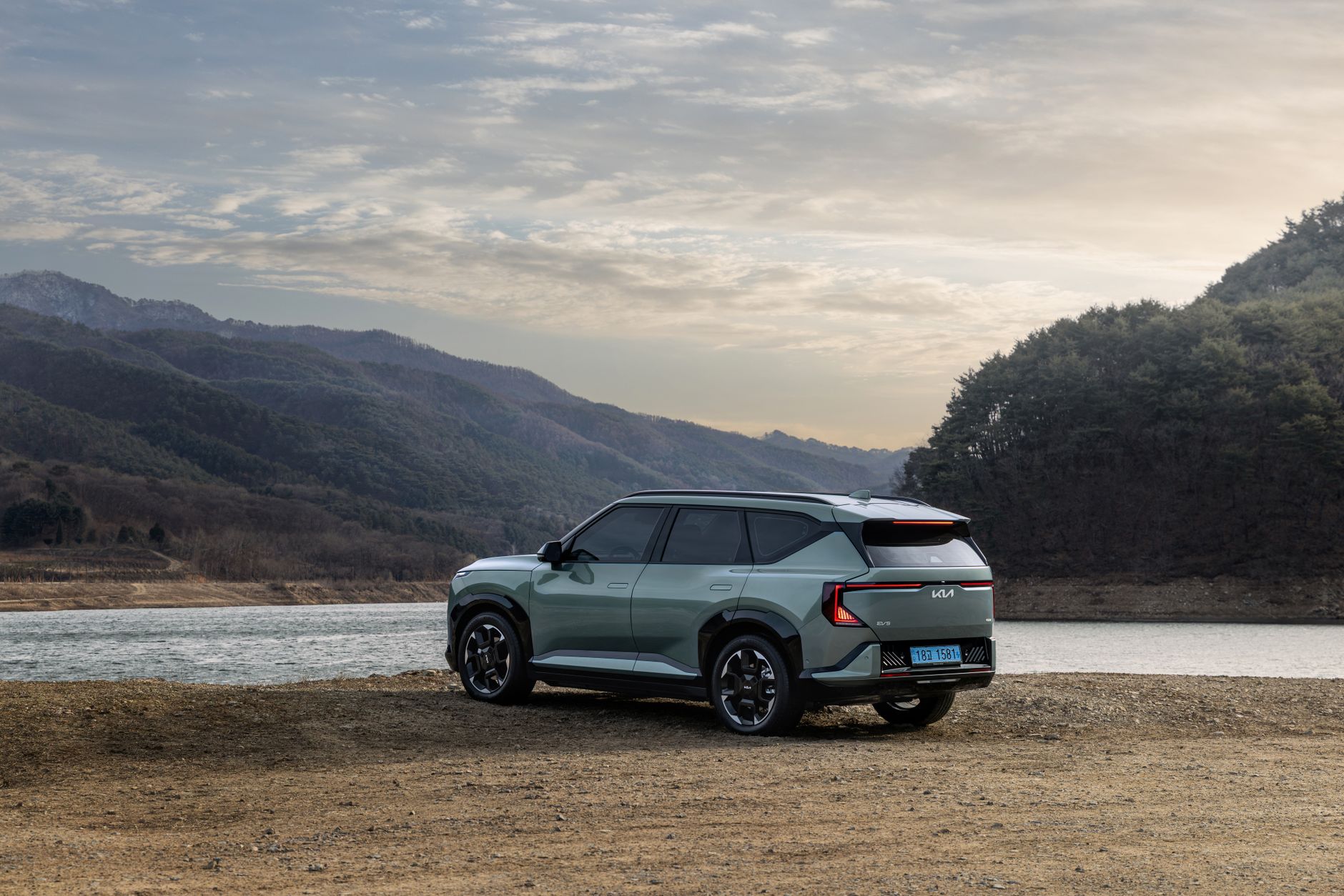
Waymo has chosen Toyota’s electric bZ4X SUV as the foundation for its next robotaxi expansion, with testing scheduled to begin in Japan in 2026 under a formal partnership between the two companies.
What the Toyota Partnership Actually Involves
The agreement marks a meaningful shift in Waymo’s hardware strategy. Until now, the company has built its commercial robotaxi fleet around vehicles from Jaguar – specifically the I-PACE – and has maintained a close working relationship with Stellantis for its Waymo Via freight operations. Bringing Toyota into the picture adds a third major automaker to Waymo’s supply chain, and the bZ4X is the specific model that will carry Waymo’s autonomous driving stack into two markets where the company has no current commercial footprint.
Toyota’s bZ4X is a battery-electric crossover that the automaker sells globally, including in Japan and the United Kingdom – the two markets Waymo is targeting with this arrangement. That geographic overlap is not incidental. Waymo needs a vehicle with an established service and parts network in those regions, and Toyota’s domestic dominance in Japan in particular makes the bZ4X a practical choice rather than a symbolic one.
Japan presents a distinct regulatory and cultural environment compared to the United States, where Waymo has spent years building relationships with city governments, navigating state-level autonomous vehicle rules, and accumulating billions of miles of real-world driving data. Japanese roads operate under different rules, different mapping requirements, and a public that has its own set of expectations around automation and safety. Entering that market through a national automaker with deep institutional ties to the Japanese government and industry carries advantages that no American-built vehicle platform could replicate.
The U.K. expansion adds another layer of complexity. Post-Brexit regulatory frameworks for autonomous vehicles have been developing independently of both EU and U.S. standards, and the U.K. government has positioned itself as eager to attract autonomous vehicle testing programs. Waymo launching bZ4X-based testing there places it ahead of several competitors who have concentrated exclusively on North American operations.

Waymo’s Expansion Logic and the Role of Vehicle Choice
Waymo’s decision to use different vehicle platforms in different markets reflects a broader operational reality: no single car works everywhere. The Jaguar I-PACE performed well in San Francisco and Phoenix, but Jaguar’s footprint in Japan is minimal, which creates parts availability and service infrastructure problems that would compound quickly at scale. Toyota, which manufactures the bZ4X in Japan, does not have that problem.
Selecting a locally manufactured platform also smooths the regulatory path. Japanese authorities reviewing a Waymo-equipped bZ4X are evaluating a vehicle they already know – one with an established safety record, existing homologation, and a manufacturer that maintains ongoing relationships with the transport ministry. That familiarity does not guarantee approvals, but it removes friction that a foreign-built vehicle would introduce from the start.
The testing phase beginning in 2026 will almost certainly focus on data collection and system calibration rather than public-facing rides. Waymo’s process in the United States followed a similar pattern: years of unmanned and then supervised testing before any commercial service opened to riders without safety drivers. Japan and the U.K. should expect comparable timelines, meaning commercial robotaxi service in either country remains years away even if testing proceeds without complications.
For Toyota, the arrangement offers something equally valuable. The automaker has invested heavily in its own autonomous and connected vehicle research through its Toyota Research Institute and through stakes in various mobility companies, but it has not produced a fully autonomous commercial product. Partnering with Waymo – which has accumulated more real-world autonomous miles than any other company – gives Toyota direct proximity to the most advanced self-driving system currently operating at commercial scale. Whether that relationship eventually deepens into something involving Toyota’s own autonomy stack, or remains a straightforward vehicle supply agreement, is not addressed in the current announcement.
Waymo is simultaneously managing rapid growth in its existing U.S. markets. The company expanded its San Francisco service area multiple times through 2024 and 2025 and launched commercial operations in additional cities. That domestic expansion requires significant capital, engineering resources, and fleet management capacity – all of which are now being stretched to cover international development as well. Adding Japan and the U.K. to an already busy operational roadmap is an aggressive posture for a company that has only recently achieved consistent commercial revenue.

What Comes After Testing
The 2026 testing start in Japan gives Waymo roughly a year to complete the engineering integration work of fitting its autonomous driving hardware and software onto the bZ4X platform. That integration is not trivial – every new vehicle requires custom sensor mounting, compute placement, brake and steering actuator calibration, and software tuning to account for the specific dynamics of that chassis.
Toyota’s willingness to supply the bZ4X for this program suggests the company has already committed to some level of platform-level cooperation, not simply selling Waymo vehicles off the lot. The specific terms of that cooperation – whether Toyota is modifying production lines, providing engineering access to vehicle systems, or simply delivering standard units – will determine how quickly Waymo can scale from test vehicles to a deployable fleet. And in markets like Japan, where public trust in new transportation technology builds slowly, the gap between “testing begins” and “anyone can hail a robotaxi” may be the most consequential unknown in this entire partnership.