



A Second Shot at the Fitness Business
Mark Wahlberg is building his own gym chain, and the pitch is straightforward: cold plunges, blood panels, and protein muffins at prices that don’t require a trust fund to sustain.
What He’s Actually Promising
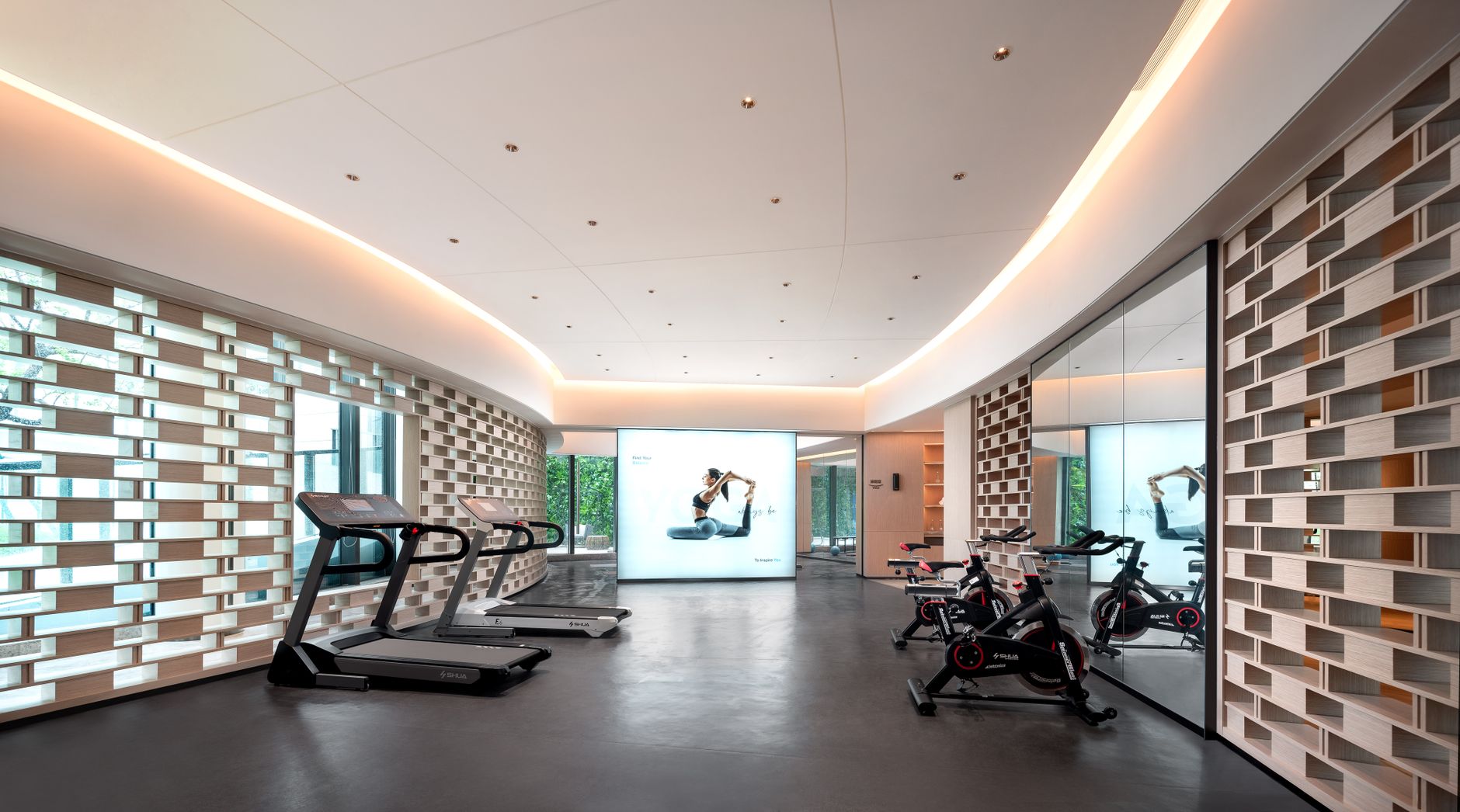
The concept targets a gap that the longevity-startup world has largely ignored. High-end wellness facilities have spent the last several years stacking biometric testing, cryotherapy, and premium nutrition into memberships priced for a narrow slice of the population. Wahlberg’s stated goal is to bring that same bundle – cold plunge access, blood work panels, and protein-forward food options – to people who don’t typically show up in the customer profiles of companies like Equinox or Function Health.
Cold plunges and blood panels, packaged together under one roof, represent the kind of offering that longevity-focused startups have been selling at a premium. The idea of putting them inside an affordable gym format is either a genuine market opportunity or a complicated operations problem waiting to surface – running clinical-adjacent services like blood panels inside a gym environment involves regulatory, staffing, and liability layers that a standard fitness chain doesn’t deal with.
The protein muffin detail is small but deliberate. It signals that the concept is positioning itself around the nutrition-and-recovery language that dominates fitness culture right now, rather than the older model of a gym being a place with equipment and a smoothie bar. Whether the food program is a meaningful revenue stream or a marketing hook isn’t clear from what’s been disclosed so far.
Wahlberg has been public about his own daily fitness habits for years – early wake-ups, structured workouts, detailed nutrition tracking. That personal brand association is part of the product here, though it also raises the obvious question of whether a celebrity-backed gym concept can survive without the celebrity’s constant presence driving attention to it.

The Previous Gym Investment and What It Cost Him
This is not Wahlberg’s first attempt to build a business in the fitness space. He previously put money into a gym chain that eventually got removed from the New York Stock Exchange – a failure significant enough that it doesn’t disappear from his biography when he pitches the next fitness venture. Getting kicked off the NYSE is not a quiet exit. It means the company’s stock stopped meeting the exchange’s listing requirements, typically because of financial distress, sustained low share prices, or failure to meet reporting standards. The specifics of that chain’s collapse matter because they frame the risk profile of what he’s attempting now.
Building a gym chain that delivers on the affordability promise while also funding the operational costs of cold plunge infrastructure and blood testing is a genuine financial engineering challenge. The longevity startups Wahlberg appears to be targeting as competition have largely operated on the assumption that their customers will pay a lot. Competing on price in that space while maintaining those services requires either lower margins, higher volume, or a cost structure that looks different from anything currently operating at scale.
The longevity wellness market has attracted significant investment and attention because aging demographics and health-conscious consumers represent a durable demand curve. But the graveyard of wellness concepts that couldn’t hold unit economics together is long. Wahlberg’s previous gym investment ended on a stock exchange’s delisting list – a reminder that enthusiasm and celebrity reach don’t automatically solve the spreadsheet.
What’s different this time, at least structurally, is that Wahlberg is reportedly building his own concept rather than investing in someone else’s. That distinction matters for control, but it also means the operational execution falls more directly on his team rather than on a management structure he was funding from the outside.
The longevity-startup crowd he’s positioning against includes well-funded companies with scientific advisory boards, proprietary testing protocols, and brand identities built around medical credibility. Undercutting them on price is possible. Matching them on perceived clinical legitimacy – which is a large part of what justifies their pricing – is a harder problem to solve with a gym membership card.
The Market He’s Entering
The affordable end of the fitness industry is crowded – Planet Fitness built a multi-billion dollar business on the $10-a-month model, and its success has encouraged imitators. Wahlberg’s concept appears to be aiming at a different tier, not the bare-bones budget gym but something positioned between that floor and the $300-a-month longevity clinics. That middle layer is where the pitch lives: more than a treadmill, less than a concierge health program.
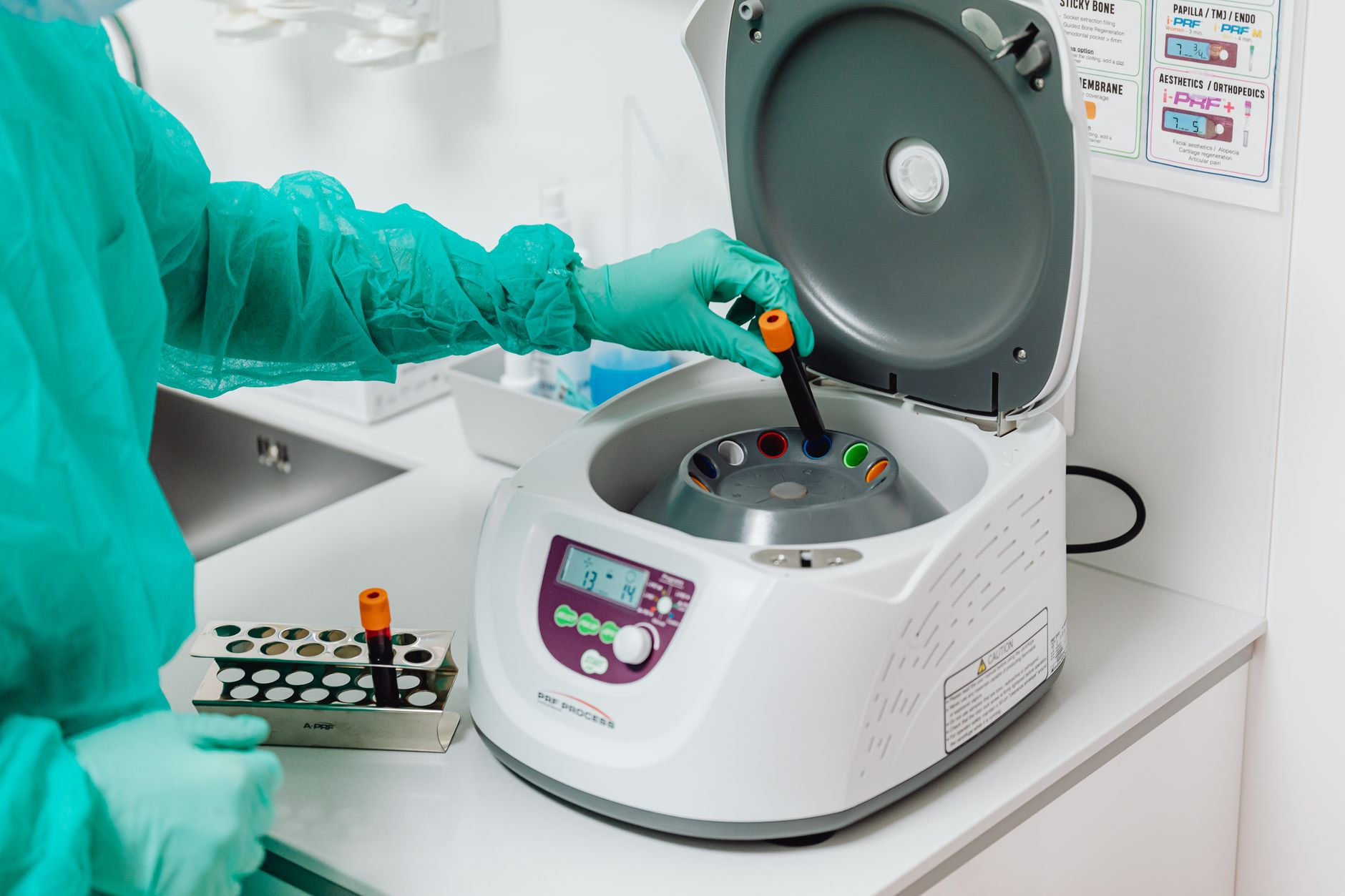
If blood panels are genuinely part of the membership offering at accessible price points, that alone would distinguish the concept from most of what’s currently available at non-luxury gyms. The question is whether the version of a blood panel you get inside an affordable gym chain delivers enough clinical utility to matter – or whether it becomes a marketing feature that underwhelms once a member actually tries to use the results.