



A Software Bug, Not a Crash, Triggered the Action
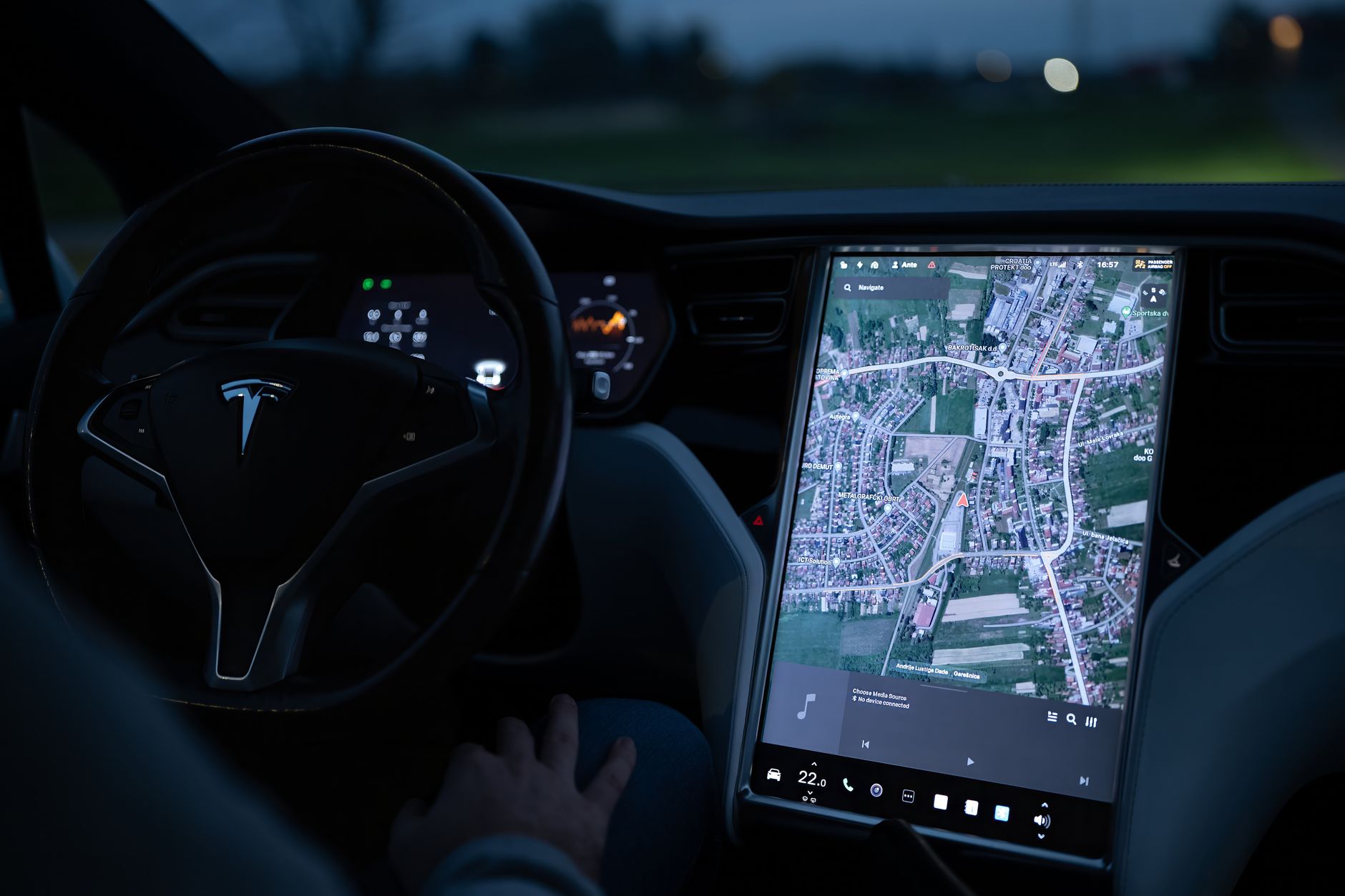
Waymo has issued a recall covering more than 3,800 of its autonomous robotaxis after identifying a software defect capable of directing vehicles into closed freeway construction zones at full driving speed.
What the Flaw Actually Does
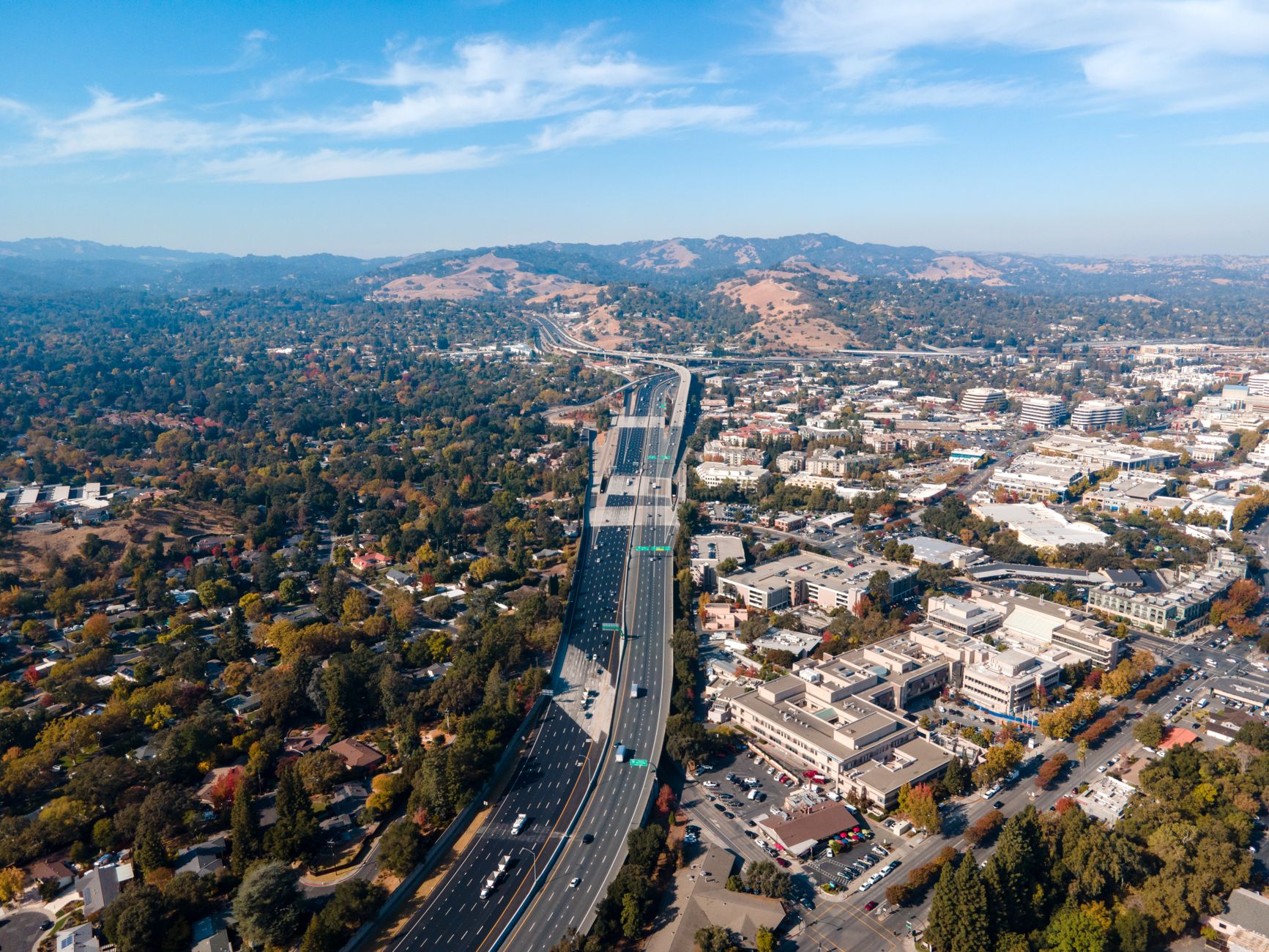
The core problem sits inside the software stack that governs how Waymo’s vehicles interpret and respond to road closure data. Under certain conditions, the system fails to recognize that a freeway section has been closed – typically for active construction work – and proceeds to route the vehicle onto that stretch anyway. The vehicles don’t slow in anticipation of a blocked route. They enter at speed, which is exactly the scenario that makes construction zones dangerous even for human drivers who are paying full attention.
Construction zones are among the most hazardous environments on any road network. Workers operate in tight corridors with minimal separation from live traffic. Barriers, reduced lanes, shifted alignments, and unpredictable equipment movement all create conditions that demand careful, real-time decision-making. A vehicle that enters such a zone without correctly understanding it is closed removes every layer of that decision-making process.
Waymo has not detailed publicly how many incidents, near-misses, or flag events prompted the recall investigation, nor has it specified the exact conditions – time of day, closure type, geographic region – under which the flaw surfaces most reliably. What is clear is that the company identified the issue and moved to address it through a formal recall process rather than a quiet background software update.
The recall covers over 3,800 vehicles. That figure represents a substantial portion of Waymo’s active fleet, which operates across multiple U.S. cities including San Francisco, Phoenix, and Los Angeles. The company runs a fully driverless commercial ride-hail service in those markets, meaning there is no human backup behind the wheel to catch what the software misses.
Recalls in the Age of Over-the-Air Software Fixes
For traditional automakers, a recall typically involves physical parts – brake components, airbag inflators, fuel lines. The logistics are slow and expensive. For a software-defined vehicle like Waymo’s robotaxi fleet, a recall can theoretically be resolved with a remote update pushed across connected vehicles overnight. The word “recall” still applies under federal safety regulations regardless of how the fix is delivered, which is why Waymo’s action carries the same formal weight as any mechanical recall filed with the National Highway Traffic Safety Administration.
This is not Waymo’s first recall. The autonomous vehicle industry as a whole has faced growing regulatory scrutiny as driverless deployments scale beyond controlled pilots into commercial services used by paying passengers. NHTSA has become increasingly active in monitoring AV software behavior, and companies are under pressure to self-report potential safety defects rather than wait for an external investigation to force their hand.
The distinction matters because it shapes public trust in ways that raw safety statistics don’t fully capture. A company that proactively recalls thousands of vehicles over a flaw that hasn’t yet caused documented injuries is making a different kind of statement than one that acts only after an incident generates headlines. Whether that framing holds up depends on how quickly and completely the software fix resolves the underlying detection failure.
Software recalls also raise questions that mechanical recalls don’t: How do you verify the fix worked across every vehicle in a distributed fleet? What happens to a vehicle that missed the update window due to connectivity issues? Can the same logical error re-emerge through a later software version? These aren’t hypothetical concerns – they are operational realities that fleet managers at companies like Waymo have to account for continuously. NVIDIA’s push into full-stack robotics platforms suggests the industry is moving toward more integrated hardware-software architectures that could change how these failure modes are caught earlier in development, though that technology isn’t resolving today’s deployed fleets.
Waymo’s vehicles rely on a combination of lidar, radar, cameras, and high-definition maps to navigate. Road closure information is typically fed through map updates, real-time data services, or onboard detection of physical closure signals like cones, barriers, and signage. A failure to correctly synthesize those inputs – or a gap in any one of them – can produce exactly the kind of routing error this recall describes.

The Pressure Point for Autonomous Expansion
Waymo is widely regarded as the furthest-along commercial robotaxi operator in the United States. Its fully driverless service has logged millions of paid trips, and the company has been expanding geographically with backing from Alphabet. A recall of this scale doesn’t erase that track record, but it does reinforce that autonomous driving remains an iterative engineering process – one where the failure conditions haven’t all been found yet because many of them only reveal themselves at operational scale, in the real world, across thousands of edge cases that no test environment fully replicates.
The more pressing question isn’t whether Waymo can push a software patch. It almost certainly can, and probably already has. The question is whether the detection logic that missed closed freeways this time is an isolated module with a clean fix, or whether it points to a broader weakness in how the system processes real-time infrastructure status changes – road closures today, bridge weight restrictions tomorrow, emergency detours next week.