



$121 Billion in Clean Energy Capacity Caught in Regulatory Crossfire
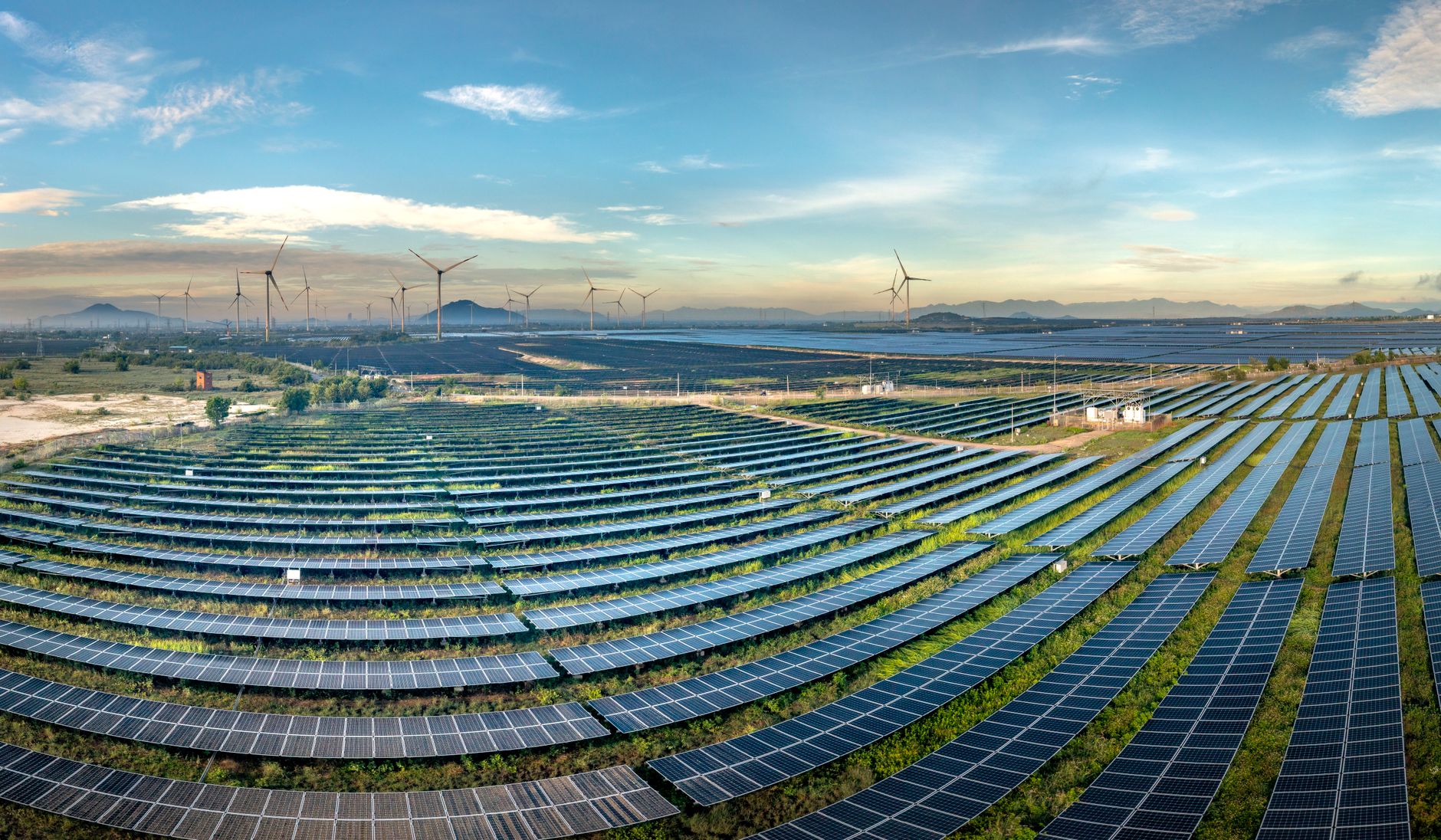
The Trump administration’s regulatory actions are now directly threatening 92 gigawatts of new electricity supply, with $121 billion in solar and wind projects caught in the crosshairs – two sources that currently account for the largest share of new power capacity being added to the U.S. grid.
How the Bottleneck Is Building
Solar and wind are not marginal players in the American electricity story. They are, by the numbers, the dominant drivers of new capacity additions nationally. When 92 GW of that pipeline gets stalled by administrative friction, the downstream effects reach beyond energy companies – they extend to grid planners, state utilities, industrial users, and anyone banking on new power availability in the next several years.
The $121 billion figure is not an environmental lobby estimate or a think-tank projection. It represents real capital commitments – contracts signed, equipment ordered, land leased, and construction timelines scheduled. Red tape does not merely slow those projects. It creates financing uncertainty, triggers penalty clauses, and in some cases forces developers to abandon sites entirely after years of permitting groundwork.
The 92 GW number matters because of what it represents in practical terms. For context, the entire installed nuclear fleet in the United States generates roughly 100 GW. Stalling a pipeline of comparable scale through regulatory friction is not a minor adjustment to energy policy – it is a structural disruption to the supply side of the national electricity market at a moment when demand is rising sharply, driven by data centers, electric vehicles, and domestic manufacturing expansion.
The mechanism doing the damage is not a single sweeping policy change. It is accumulating red tape – the kind that adds months to interconnection approvals, buries project developers in duplicative environmental reviews, and creates legal ambiguity around federal land permits. Each individual delay looks manageable in isolation. Stacked across 92 GW of projects, the aggregate effect becomes a capacity crisis in slow motion.
The Wider Pressure on the Grid
America’s electricity grid is already under strain from demand signals that most planners did not anticipate at this scale or speed. Hyperscale data centers are consuming power at rates that are reshaping regional grid forecasts. AI infrastructure buildouts from major tech companies have accelerated this demand curve further. Against that backdrop, delaying 92 GW of the fastest and cheapest-to-build new generation is a decision with real costs – not theoretical ones.
Solar and wind reached their position as the top contributors to new U.S. capacity not through government mandates alone, but because they became economically competitive with fossil fuel generation. Utility-scale solar, in particular, now frequently wins competitive procurement processes on price. The pipeline threatened by the current regulatory environment was built on that economic logic, not purely on policy incentives that could be reversed.
Wind development faces additional complications beyond the federal regulatory layer. Offshore wind, which carries some of the largest individual project price tags in that $121 billion figure, has already been subject to direct permit cancellations and lease suspensions under the current administration. Onshore wind projects face their own interconnection queue backlogs, which regulatory changes have done little to resolve and may have worsened.
The interconnection queue itself is a structural problem that predates the Trump administration. But the current regulatory environment has removed several procedural reforms that the Federal Energy Regulatory Commission had begun implementing to accelerate that queue. With those reforms stalled or reversed, developers report wait times that have stretched to five or six years in some regions – long enough to kill the financing on projects that penciled out when they first entered the queue.
States that set their own renewable energy targets are now caught between their own policy commitments and a federal regulatory apparatus that is moving in the opposite direction. Texas, which operates its own grid and has more wind capacity than any other state, is partially insulated. But states dependent on federal land for siting, or on federally regulated transmission for delivery, have far less room to maneuver.
What Comes Next for Developers
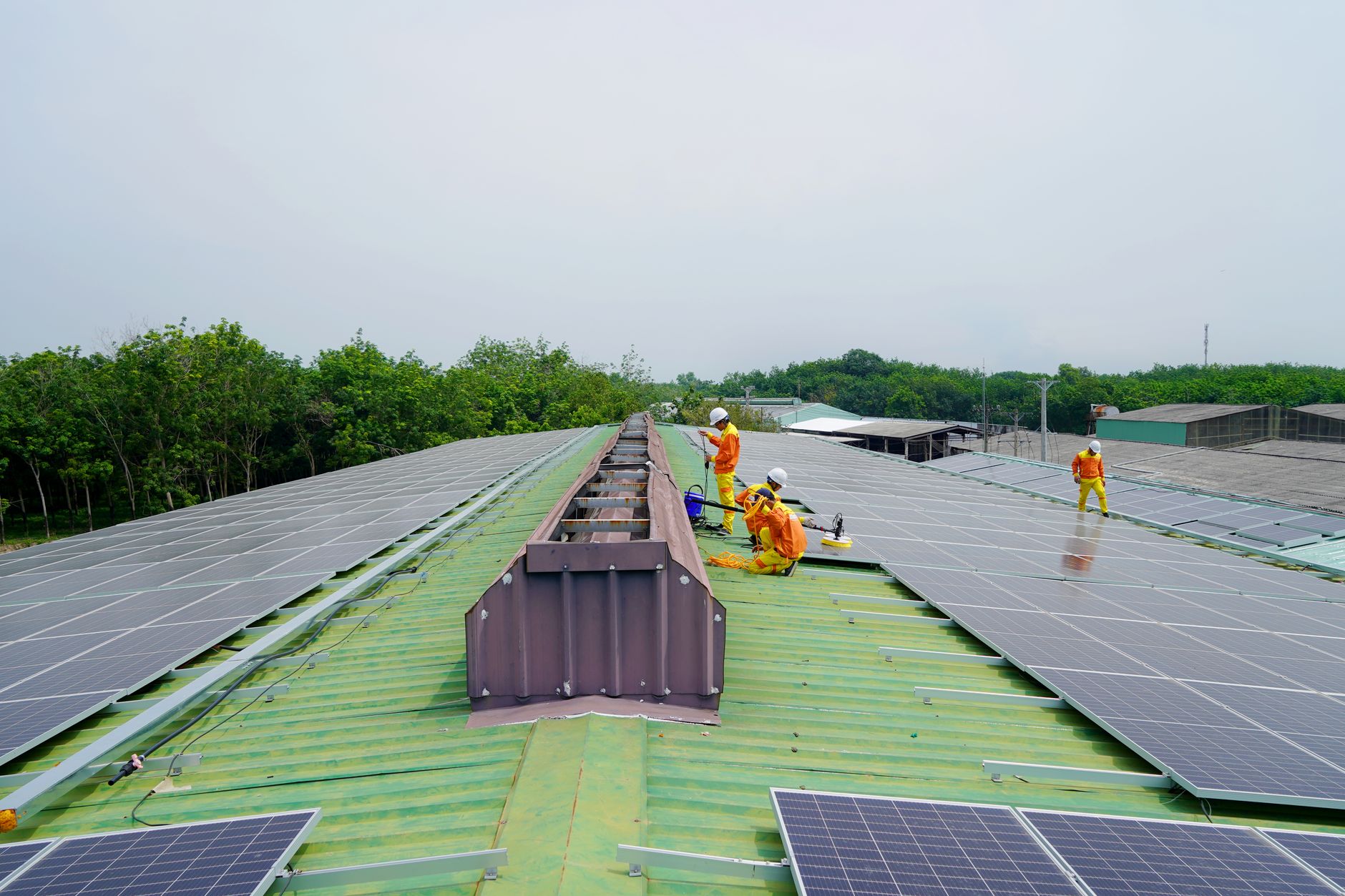
Energy developers are not sitting still. Some are repositioning projects to reduce federal land exposure. Others are pursuing legal challenges to specific permit decisions. A handful of larger developers have shifted capital toward battery storage and grid infrastructure, where regulatory risk profiles are different. But repositioning takes time, and the 92 GW figure reflects projects already deep enough in development that redirection is not simple.
The $121 billion at stake is not uniformly distributed. Some projects will survive the delays. Some will not. The ones most at risk are mid-stage developments – past early planning but not yet under construction – where carrying costs accumulate while approvals stall and where lenders have the least appetite for extended uncertainty. Whether those projects ultimately get built, get sold, or get abandoned will depend in part on whether the regulatory friction intensifies, holds steady, or gets unwound before construction windows close.