


A Busy Week for Hardware and AI Assistants
Apple’s long-overdue Siri redesign moved from rumor to near-reality this week, with early visual mockups and reported details painting a picture of an assistant that looks and behaves very differently from what iPhone users have tolerated for years. The overhaul arrives at a moment when Siri’s reputation has quietly eroded – not through any single failure, but through years of falling behind Google Assistant and Amazon Alexa on practically every measure of usefulness.
At the same time, Google and GoPro each dropped new hardware worth examining. Google’s latest wearable drew formal reviews, and GoPro released a new action camera aimed squarely at the adventure-content market. Three product stories, three different companies, one week – here’s what actually matters across all of them.
What the New Siri Is Reportedly Going to Look Like
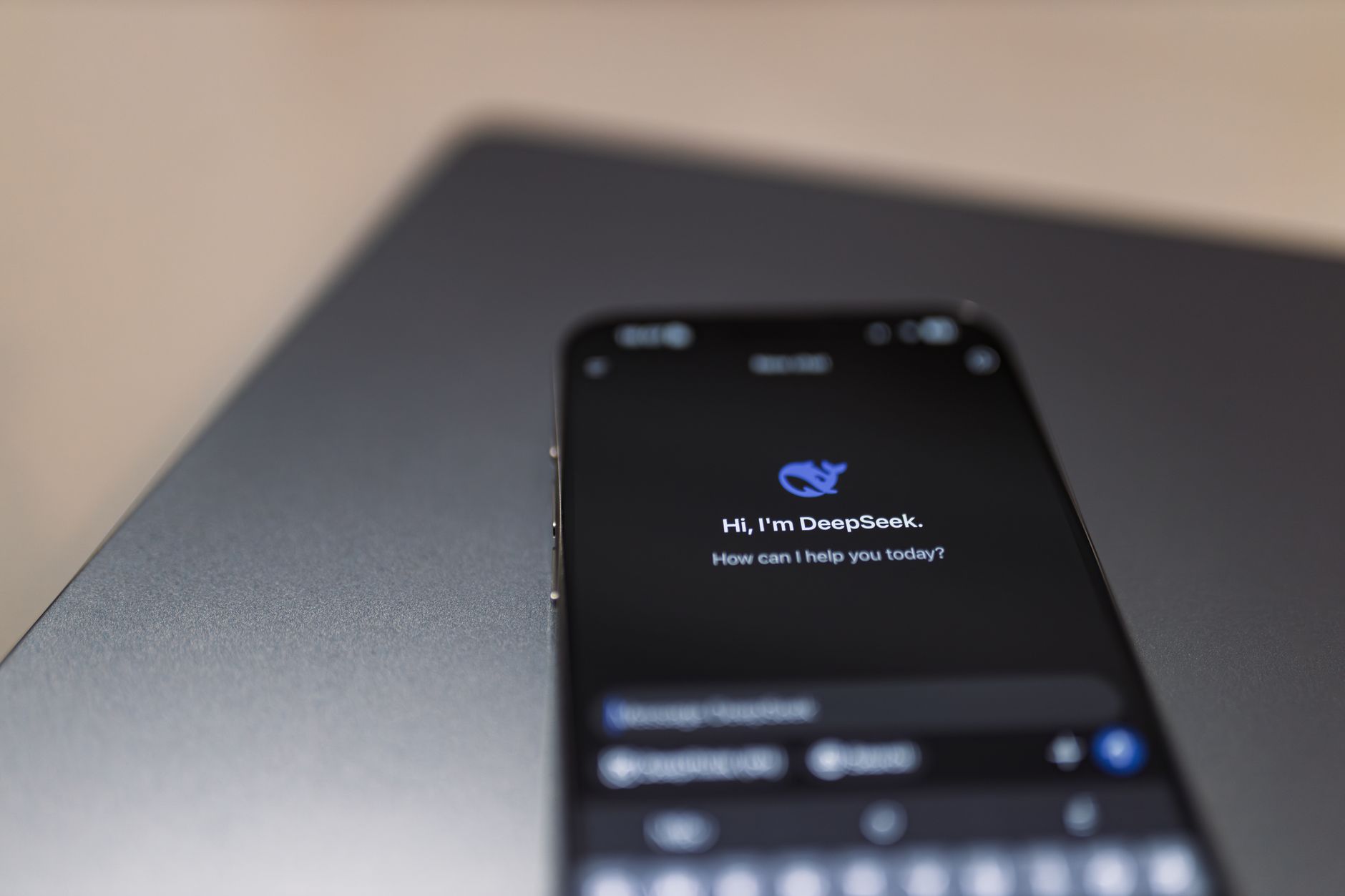
The early look at Apple’s Siri overhaul is the week’s standout story, primarily because it suggests Apple is finally treating its assistant as a product that needs to compete rather than a feature that ships because it has to. The reported redesign shows a significantly different interface – one built around deeper on-screen awareness and tighter integration with apps, meaning Siri would understand what’s actually displayed on your screen and act on it, rather than just responding to voice queries in isolation.
That on-screen context capability has been the centerpiece of Apple’s AI ambitions since the company announced Apple Intelligence at WWDC 2024. The company promised that a future version of Siri would be able to read content across apps, pull personal context from emails and messages, and take actions inside third-party software. What the new images and details suggest is that Apple is now building the visual scaffolding to support those functions – a redesigned interface that signals when Siri is operating in its more capable mode versus its current, limited state.
Apple has not confirmed a specific release date for the fully rebuilt Siri. The company has been rolling out Apple Intelligence features incrementally since iOS 18.1, with each subsequent update adding pieces of the larger vision. What the early look implies is that a more complete version – one where the interface change is visible and deliberate – is further along in development than the public timeline has suggested. Whether that means a WWDC 2025 announcement, a fall iOS 19 release, or something in between remains unconfirmed.
There’s a real tension embedded in Apple’s Siri strategy. Apple’s acquisition activity over the past year has consistently pointed toward AI, and the company has spent heavily on the underlying infrastructure. But the public-facing result has been incremental and, at times, underwhelming. Writing summaries, cleaner voice responses, basic on-screen actions – these are improvements, but they haven’t shifted the general perception that Siri still lags. The overhaul now reportedly in development would need to land as a complete experience, not another staged rollout, to actually change that perception.
Google’s New Wearable Gets Reviewed
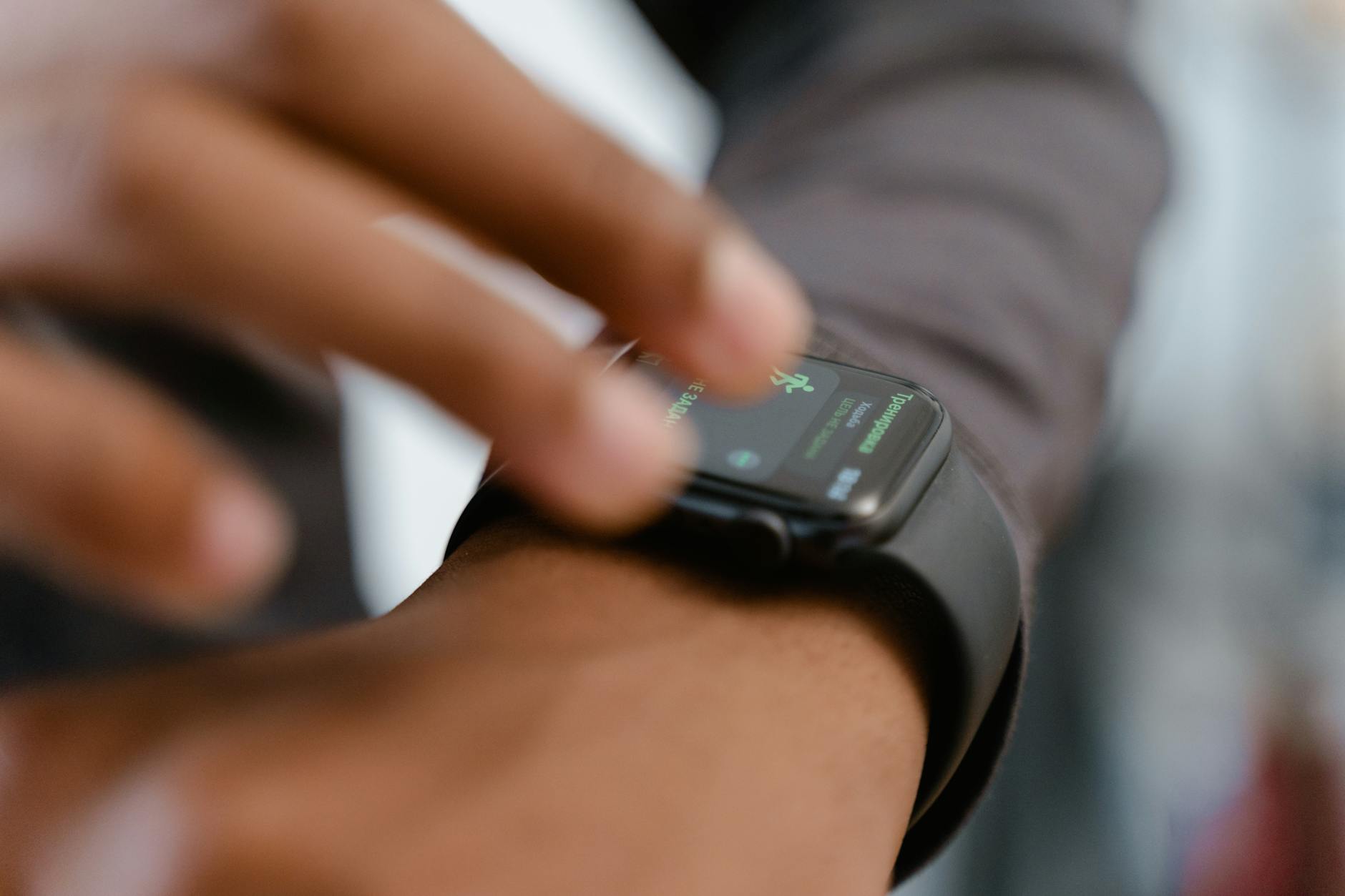
Google’s latest wearable entered the review cycle this week, giving the tech press its first structured look at the device’s real-world performance. Wearables reviews tend to hinge on a narrow set of questions – battery life, sensor accuracy, software integration, and whether the device does anything distinctly better than the established competition from Apple and Samsung. Early assessments placed Google’s offering in a competitive but not dominant position, with software strengths partially offset by hardware trade-offs that buyers in this category are likely to notice.
Google’s wearable lineup has historically benefited from deep Android integration and health-tracking data pulled through partnerships, but the actual watch hardware has taken time to match the polish of competitors. Where this new device lands in that ongoing story will depend on whether reviewers find the software advantages compelling enough to overlook any physical shortcomings – a calculation that tends to break differently depending on whether a buyer is already inside the Google ecosystem.
GoPro’s Newest Action Camera
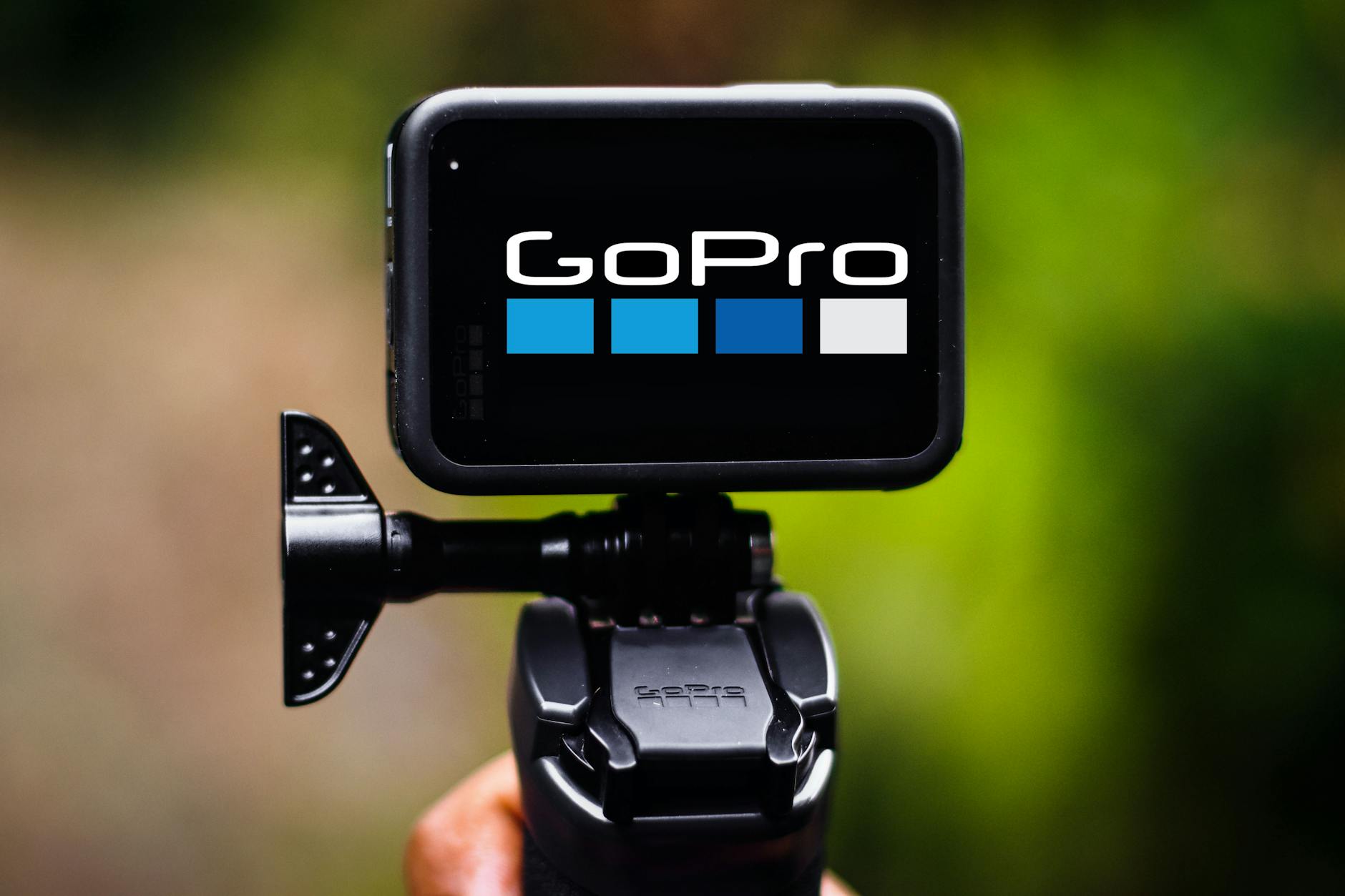
GoPro also launched a new action camera this week, continuing its pattern of incremental hardware refinement aimed at keeping the brand relevant against a growing field of competitors, including DJI, which has steadily encroached on GoPro’s core market. Action cameras live or die on a specific combination of stabilization quality, low-light performance, battery endurance, and form factor – and GoPro’s newer releases have generally delivered improvements across those dimensions without dramatically reinventing the product.
The new model arrives as GoPro the company continues navigating a difficult financial period. The hardware itself may perform well, but GoPro has been working through declining revenue and subscriber numbers for its cloud service, which the company has leaned on as a recurring-revenue stream alongside camera sales. A strong product review cycle can generate purchase momentum, but it doesn’t automatically translate into the kind of sustained business improvement GoPro’s balance sheet needs.
For the buyers most likely to pick up a new GoPro – surfers, cyclists, skiers, travel content creators – the relevant question is whether this camera justifies an upgrade from whatever they’re currently using. That’s a narrower audience than it was five years ago, but it remains a loyal one.
Reading the Week as a Whole
Taken together, these three stories reflect a hardware and software industry grinding through a period of refinement rather than reinvention. Google is iterating on its wearable ambitions. GoPro is defending category turf. And Apple is attempting something more significant – a real restructuring of its most visible AI product, the assistant that hundreds of millions of people interact with daily and have consistently found wanting.
The Siri story carries the most long-term weight, not because mockups and early reports always materialize as shown, but because Apple’s credibility on AI is genuinely on the line. The company has been methodical and private about the rebuilt Siri in a way that suggests it knows a botched rollout would be costly. What those early images show is an interface that looks finished enough to ship. Whether it works well enough to matter is the question Apple still hasn’t answered publicly.
Somewhere between the promise of a Siri that reads your screen and acts intelligently across apps, and the current assistant that still misunderstands basic requests, lies the product Apple actually ships. The gap between those two things is what the next major iOS release will be judged on.