


A Crowded Week in AI Policy, Profits, and Surveillance
Sam Altman is floating a plan to give the US government a 5% stake in OpenAI – worth roughly $320 per American household at the company’s current valuation – while a leaked Treasury Department report quietly compares the AI market to the dotcom bubble, directly contradicting the administration’s public stance on AI’s economic promise.
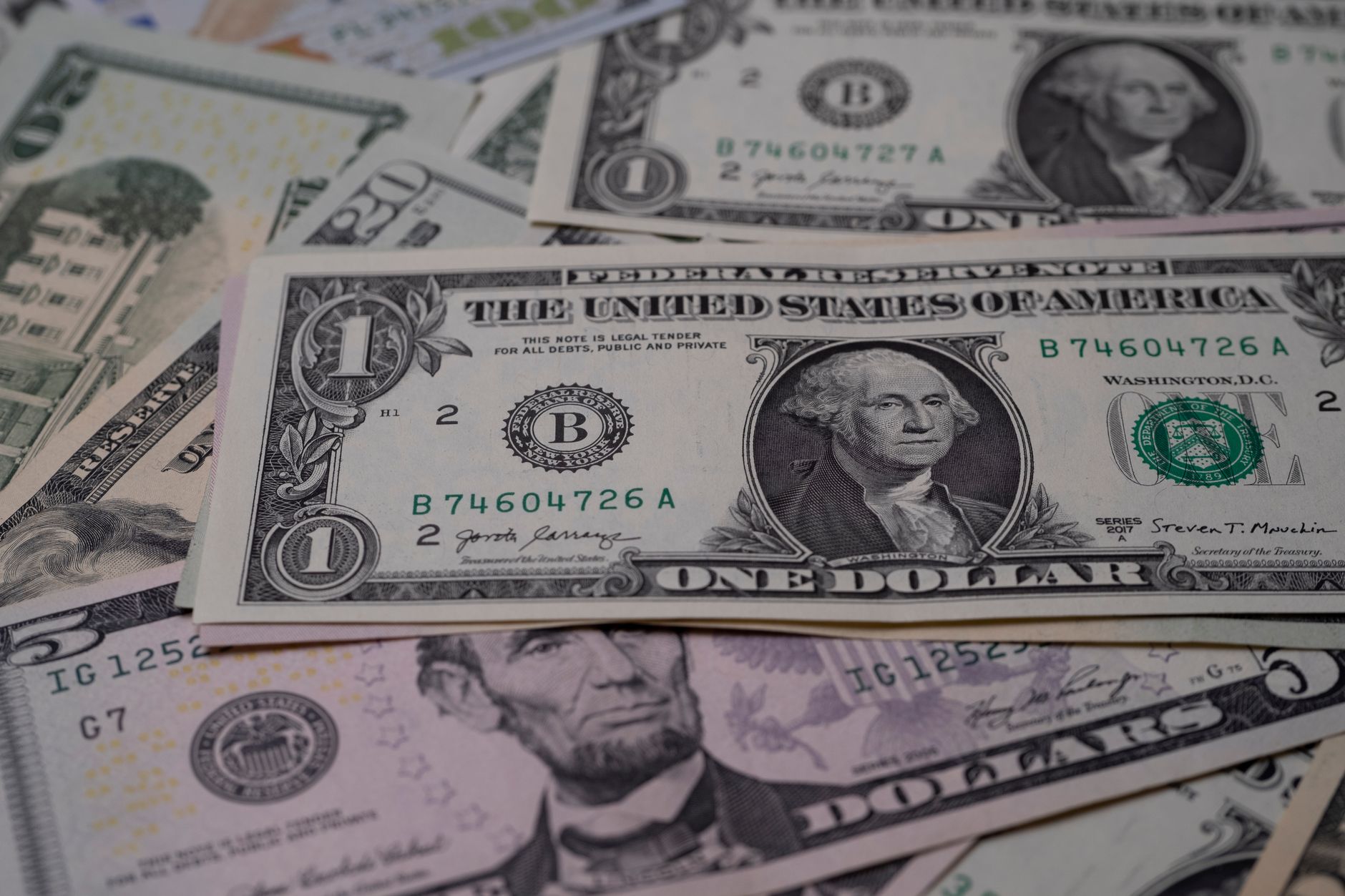
The OpenAI Dividend: Political Symbol or Workable Policy?
The 5% government stake proposal is Altman’s attempt to answer two mounting critiques at once. First, that AI companies have built billion-dollar systems on human-generated text, code, and creative work without compensating the people who produced it. Second, that widespread AI adoption will hollow out labor markets faster than any safety net can absorb the damage. A dividend tied to OpenAI’s valuation would, in theory, give ordinary Americans a financial floor connected to AI’s upside.
At OpenAI’s current valuation, the 5% slice translates to approximately $320 per US household – a number that lands somewhere between symbolic and meaningful depending on how you read it. It is not a life-changing sum. It is, however, the kind of figure that travels well in a political conversation, specific enough to feel real, modest enough not to alarm investors or board members.
The proposal’s details remain genuinely unresolved. No formal structure has been announced, no legislative vehicle identified, and no timeline attached. What the idea does have is narrative momentum – a way for Altman and OpenAI to position themselves as proactively managing the social costs of AI rather than waiting to be regulated into doing so.
Whether it evolves into actual policy or remains a rhetorical holding position, the dividend concept signals something about where AI’s political exposure is concentrated: not in technical risk, but in the question of who captures the economic value AI generates, and whether that distribution will require external pressure to change.
Treasury’s Bubble Warning and a Week of Contradictions
Against that backdrop, a leaked Treasury Department report comparing the AI market to the dotcom bubble landed with particular weight. The assessment runs counter to the public optimism the administration has maintained about AI’s economic trajectory. Separately, analysts have flagged that AI-related profits in corporate earnings reports may be obscuring deeper financial risks – a pattern that became familiar in the late 1990s, when growth metrics masked structural fragility until they didn’t.
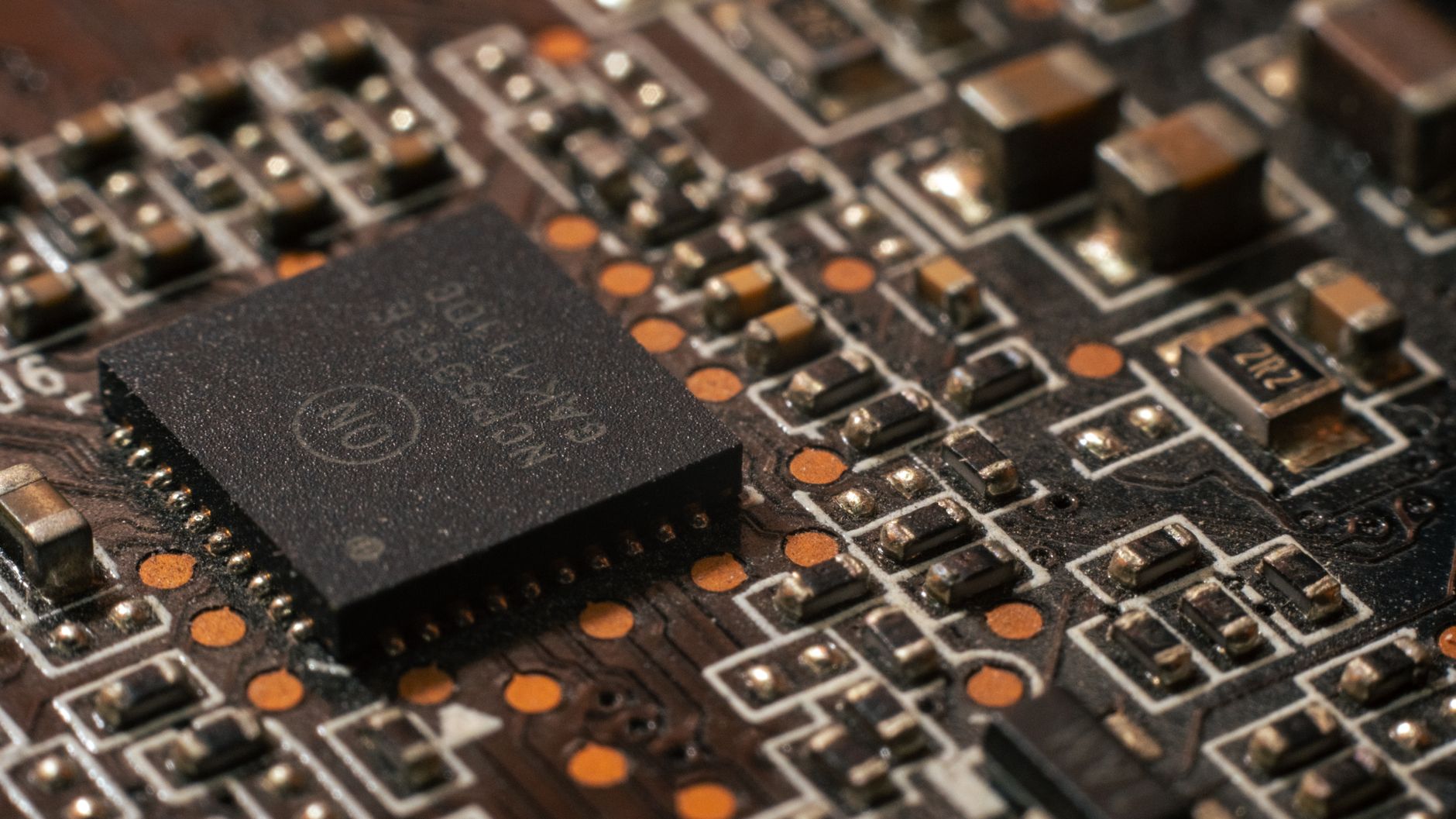
Samsung’s results this week offered the clearest illustration of the AI market’s contradictions. The company reported its third consecutive record quarterly profit, with earnings jumping 1,800% on AI chip demand, a run that has pushed Samsung into the $1 trillion valuation tier. Its shares still fell. Investors sold on fears that the AI hardware boom is approaching a saturation point, that enterprise demand will plateau before Samsung’s capacity investments pay off. Record profits and a declining stock price in the same earnings cycle capture the anxiety threading through the entire AI sector right now.
On the government deployment side, the Cybersecurity and Infrastructure Security Agency is reportedly using Anthropic’s Mythos model to scan federal code for security vulnerabilities – a notable development given that Anthropic is currently in a public dispute with the White House. Agencies are continuing to work with the company’s tools despite that friction, which suggests either that the tools are considered indispensable or that the feud has less operational weight than its public profile implies.
Anthropic had its own difficult week on a separate front. A hidden tracker embedded in Claude Code was discovered to have been quietly monitoring users in China. Anthropic confirmed the tracker’s existence and removed it, but the incident drew immediate criticism, with observers arguing it demonstrated a willingness to surveil users under specific conditions. Separately, researchers at Anthropic identified what they described as a hidden “thinking” space inside Claude – an internal reasoning layer not previously disclosed in public documentation.
Illinois moved in the opposite direction from federal ambiguity by signing what is being described as the strongest frontier AI law in the country, designed to establish direct protections for residents against AI-related risks. That action comes as federal lawmakers remain in open disagreement about the appropriate framework for national AI regulation – a gap that is increasingly drawing states into policy territory that Washington has not yet occupied.
Cost pressure is reshaping enterprise AI choices in real time. US companies are turning to Chinese AI models as American model pricing strains budgets, with businesses actively hunting for cheaper alternatives to OpenAI and Anthropic’s offerings. Chinese AI labs, meanwhile, are deepening investment in open-source development – a strategic posture that makes their models easier to adopt and harder to restrict through export controls alone. ChatGPT has already lost its commanding market majority as competition intensifies across price points and geographies.

Actors, Drones, and Quantum Proofs
An AI-generated “actor” named Tilly Norwood is set to appear in a feature film called “Misaligned,” a comedy-drama that will mark the first starring role for a fully synthetic performer in a mainstream production. SAG-AFTRA and affiliated unions have publicly condemned the move. The industry dispute over AI performers has been building since the 2023 strikes, and an actual feature film credit shifts the argument from hypothetical to immediate.
In research, a team demonstrated that quantum proofs can solve at least one class of problems that classical proofs cannot – a concrete result in a field where theoretical advantages have often outpaced experimental confirmation. And on drone security, Russia is suspected of launching surveillance flights over Europe from commercial ships in what analysts are calling a shadow fleet operation, using civilian vessels as platforms for military-adjacent drone missions at a moment when Europe is already accelerating its own autonomous weapons development. Whether Tilly Norwood’s film studio has better operational security than CISA’s federal code base is, at this point, an open question worth sitting with.