


Paper notebooks might seem outdated, but millions still prefer handwriting for notes, sketches, and brainstorming. E-ink tablets promise to bridge the analog-digital divide, offering the natural feel of pen on paper with digital convenience. After weeks of testing the latest models from reMarkable, Boox, and Supernote, here’s what actually works for serious note-takers.
The e-ink tablet market has exploded in 2024, driven by remote workers, students, and creatives seeking alternatives to traditional tablets. Unlike LCD screens that emit blue light and drain batteries quickly, e-ink displays mirror actual paper with weeks of battery life. The question isn’t whether these devices work – it’s which one deserves your desk space.
Writing Feel and Responsiveness
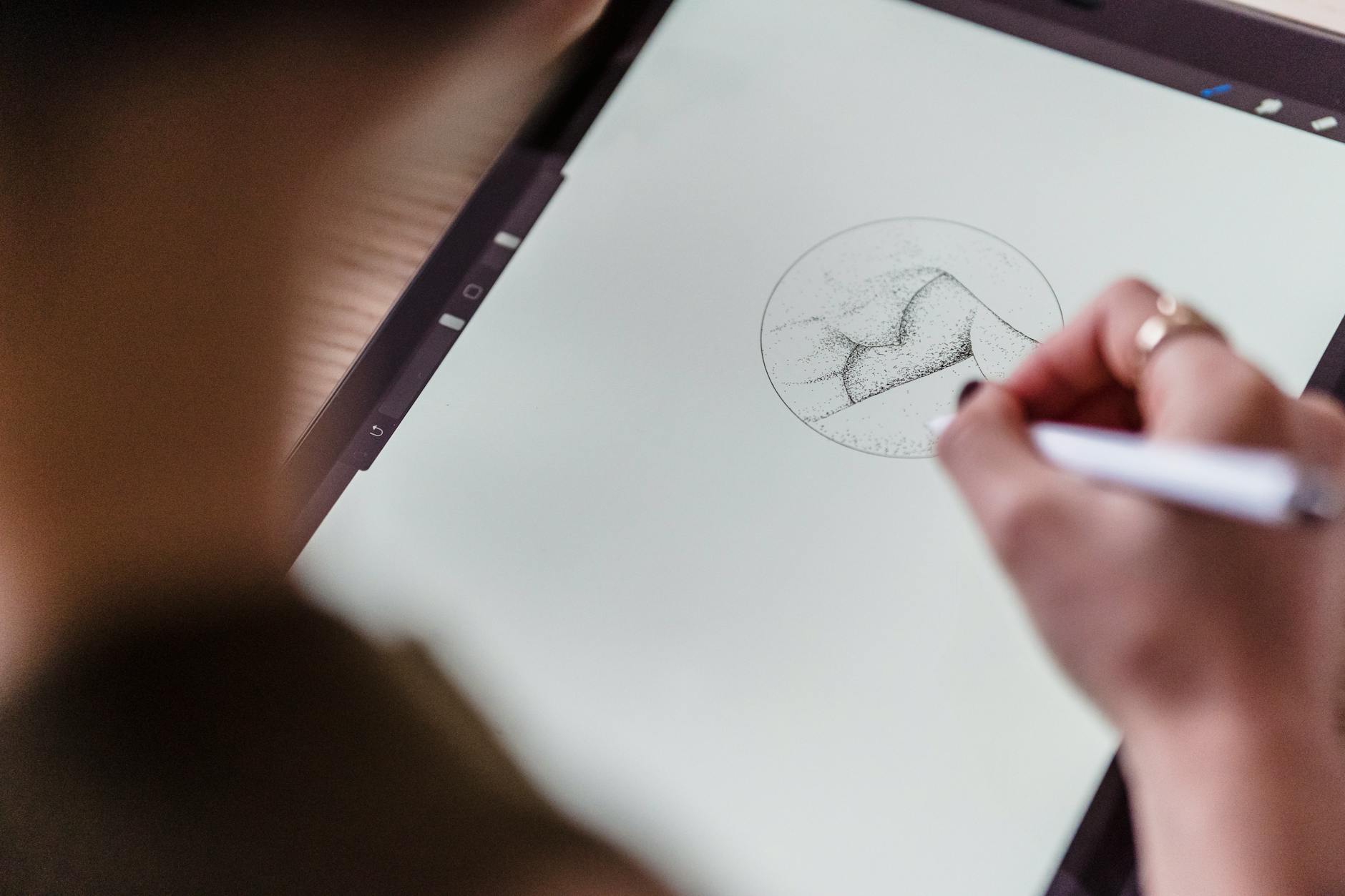
The reMarkable 2 remains the gold standard for writing experience. Its custom stylus glides across the textured screen with minimal lag, creating the satisfying friction of graphite on paper. The device registers pressure sensitivity naturally, making sketching and note-taking feel genuinely analog.
Boox’s latest Tab Ultra series offers impressive responsiveness with added versatility. The included stylus supports 4096 pressure levels, and the writing-to-text conversion works accurately for most handwriting styles. However, the glass surface feels slightly slippery compared to reMarkable’s textured approach.
Supernote’s A5 X strikes a middle ground with excellent palm rejection and natural writing angles. Its ceramic tip stylus requires no charging and provides consistent line weights. The proprietary “Chauvet” writing engine delivers smooth strokes with barely perceptible delay.
Battery life varies significantly. The reMarkable 2 easily lasts two weeks of regular use, while Boox devices typically need charging every 3-4 days due to their Android-based system running background processes. Supernote falls between these extremes at roughly one week per charge.
Software Capabilities and Organization
Organization systems separate casual users from productivity enthusiasts. ReMarkable’s software emphasizes simplicity with folder structures and basic templates. Its strength lies in distraction-free writing, but file management feels limited for complex projects.
Boox runs full Android, transforming these devices into versatile productivity machines. Users can install OneNote, Notion, or any Android app alongside the native note-taking software. This flexibility appeals to users juggling multiple workflows, similar to how smart home ecosystems require choosing between simplicity and versatility.
Supernote’s Chauvet system offers unique organizational features like infinite canvas zooming and gesture-based navigation. Its “Digest” function converts handwritten notes into searchable text automatically. The keyword tagging system helps locate specific notes across hundreds of pages.
Cloud synchronization works differently across platforms. ReMarkable syncs seamlessly with its proprietary cloud service but limits third-party integration. Boox supports Google Drive, Dropbox, and OneDrive natively. Supernote provides reliable cloud backup with cross-device synchronization.

Display Quality and Eye Strain
E-ink technology varies considerably between manufacturers. ReMarkable 2 uses a 10.3-inch Carta display with 226 DPI resolution. Text appears crisp, and drawings show excellent detail without the pixelation common in earlier e-ink devices.
Boox devices typically feature higher resolution displays – their Tab Ultra offers 300 DPI on a similar screen size. The additional sharpness becomes apparent when reading PDFs with small text or detailed diagrams. However, the Android interface occasionally struggles with refresh rates during rapid scrolling.
Supernote’s display prioritizes eye comfort over absolute sharpness. Its slightly warm tone reduces eye strain during extended writing sessions. The 227 DPI resolution handles handwriting beautifully, though fine details in imported images may appear softer than competing devices.
Frontlight implementation differs dramatically. Boox integrates adjustable warm and cool lighting systems, enabling comfortable use in any environment. ReMarkable omits frontlighting entirely, requiring external illumination in dim conditions. Supernote recently added frontlighting to select models with even, adjustable brightness.
Screen size considerations matter more than specifications suggest. The 10.3-inch standard works well for most users, providing adequate space for natural handwriting without excessive bulk. Boox offers larger 13.3-inch models for users who frequently annotate legal documents or architectural drawings.
Value and Ecosystem Integration
Pricing reflects feature complexity rather than raw performance. ReMarkable 2 starts around $400 with included stylus and cases available separately. The subscription service for cloud storage and additional features costs extra but isn’t mandatory for basic functionality.
Boox devices command premium prices due to Android flexibility. Mid-range models begin near $450, while flagship units exceed $600. The added cost buys full app compatibility and computing power beyond simple note-taking.
Supernote positions itself as the value-conscious choice without sacrificing writing quality. Pricing starts around $350 for current-generation devices, including stylus and protective sleeve. No subscription fees exist for cloud services or software updates.
Ecosystem integration varies by user preference and existing workflows. Mac users appreciate ReMarkable’s seamless desktop sync, while Windows users might prefer Boox’s broader compatibility. Supernote works reliably across platforms without favoring specific operating systems, much like how portable projectors need universal device compatibility for professional use.

The Verdict for Digital Note Takers
After extensive testing, no single device dominates every category. ReMarkable 2 delivers the most paper-like writing experience with excellent battery life, making it ideal for writers and sketchers who prioritize simplicity. Boox devices serve power users who need full Android functionality alongside note-taking capabilities. Supernote offers the best balance of features, price, and usability for most mainstream users.
The e-ink tablet market continues evolving rapidly, with color displays and improved refresh rates arriving in 2025. Current devices already provide compelling alternatives to traditional notebooks, particularly for users who value searchable, synchronized notes across multiple devices. Choose based on your primary use case: pure writing experience, maximum versatility, or balanced functionality with strong value.
Frequently Asked Questions
Do e-ink tablets work as laptop replacements?
E-ink tablets excel at note-taking and reading but lack processing power for complex computing tasks requiring traditional laptops.
How long do e-ink tablet batteries last?
Battery life ranges from 3-4 days for Android-based models to 2+ weeks for simpler devices like reMarkable.