


The race for the ultimate charging solution just got more intense. Anker’s latest 200W GaN charger promises to power multiple devices simultaneously without the bulk of traditional adapters, but does it deliver on these ambitious claims?
GaN technology has revolutionized charging by shrinking power adapters while maintaining efficiency. Anker’s newest flagship charger enters an increasingly crowded market where consumers demand fast, reliable charging for laptops, tablets, phones, and gaming devices all from a single unit. After weeks of testing across various scenarios, the results reveal both impressive capabilities and some practical limitations.
Raw Power Meets Compact Design
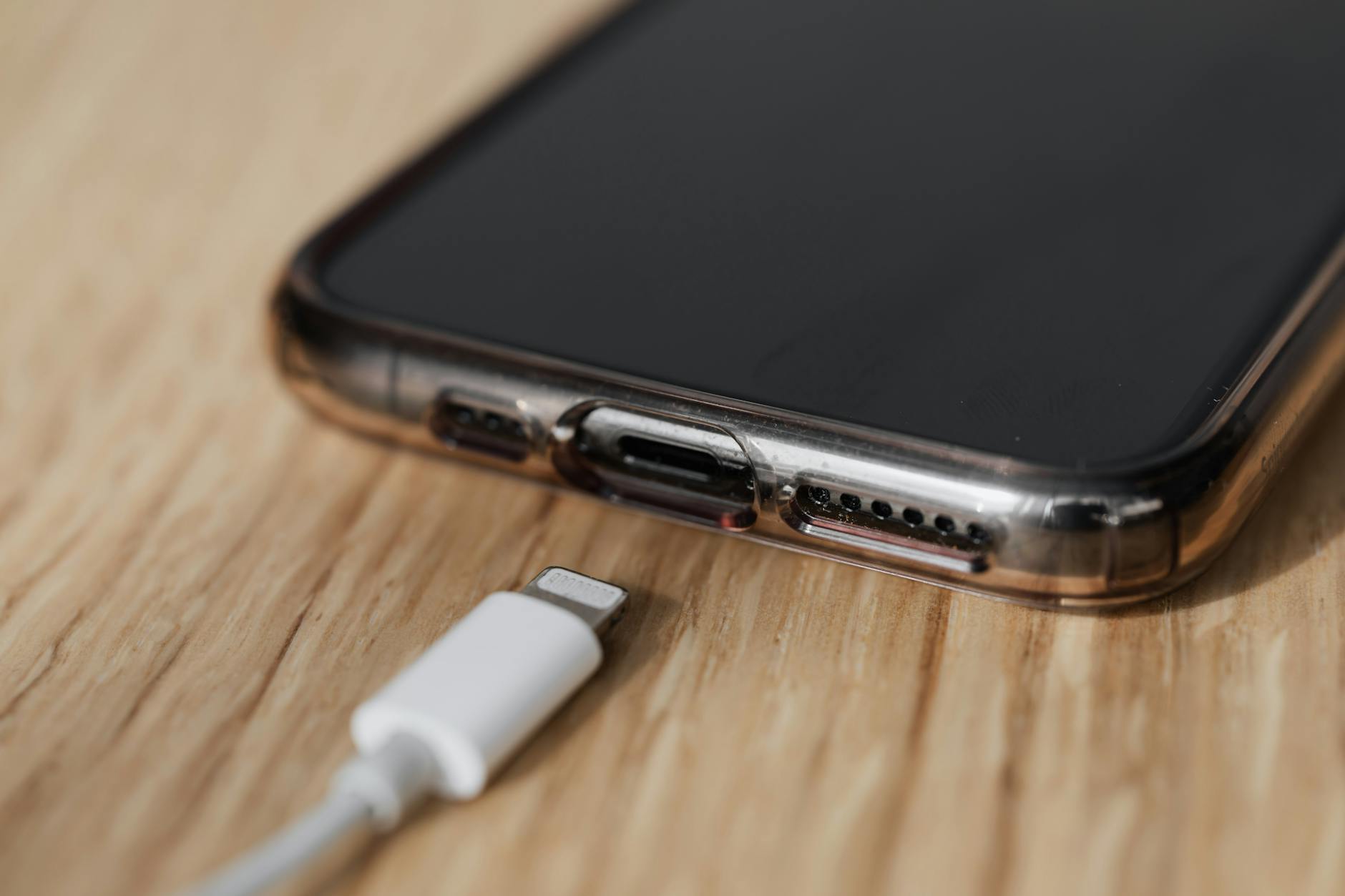
The 200W GaN charger measures roughly the size of a standard laptop adapter but packs significantly more power output. Four USB-C ports dominate the front panel, with each capable of delivering up to 100W when used individually. The matte black finish resists fingerprints, though the unit does generate noticeable heat during extended high-power usage.
Port allocation proves intelligent in real-world testing. When charging a MacBook Pro and iPhone simultaneously, the charger automatically distributes power based on device requirements. The top two ports prioritize laptops and tablets, while lower ports handle phones and smaller electronics. LED indicators remain absent, requiring users to rely on device notifications for charging status.
Build quality feels premium throughout. The adapter survived multiple drops during testing without visible damage or performance degradation. Cable management becomes crucial since the unit doesn’t include integrated cord storage, potentially creating desktop clutter for users with multiple devices.
Multi-Device Performance Under Load
Real-world charging scenarios reveal the adapter’s strengths and weaknesses. Testing with a MacBook Pro, iPad Pro, iPhone, and Nintendo Switch simultaneously produced mixed results. The charger successfully powered all devices but charging speeds decreased noticeably compared to individual charging sessions.
Gaming device compatibility extends beyond basic charging. The Nintendo Switch maintains stable power during intensive gaming sessions, though users should note that high-performance gaming while charging can still drain battery slowly. This mirrors experiences with other high-end gaming devices, similar to performance considerations found in our Nintendo Switch 2 testing.
Heat generation becomes apparent during maximum load scenarios. The adapter remains warm but not uncomfortably hot, though placement near heat-sensitive electronics should be avoided. Desktop placement works better than enclosed spaces, allowing adequate airflow for optimal performance.

Charging speeds for individual devices impressed during isolated testing. A completely drained MacBook Pro reached 50 percent capacity within 45 minutes, while an iPhone achieved similar results in roughly 30 minutes. These speeds match or exceed manufacturer specifications for most devices tested.
Travel and Workspace Integration
The adapter’s travel credentials shine in professional settings. Airport terminals and coffee shops often provide limited outlet access, making the four-port configuration invaluable for mobile professionals. The included travel pouch protects against scratches but adds minimal bulk to laptop bags.
Cable compatibility spans most modern devices without issues. USB-C to Lightning cables work seamlessly for Apple devices, while USB-C to USB-C handles newer Android phones and laptops. Users with older devices requiring USB-A connections will need separate adapters or hubs.
Workspace organization benefits from consolidating multiple chargers into one unit. Desktop clutter reduces significantly, though cable management requires attention. The adapter’s weight provides stability, preventing the unit from sliding when cables create tension.
International travel presents no complications thanks to the adapter’s universal voltage compatibility. The standard figure-eight power cord can be replaced with region-specific versions, making global business travel more convenient.
Value Proposition and Competition
Pricing positions this charger in the premium segment, competing with similar offerings from brands like Belkin and RAVPower. The cost per watt compares favorably to purchasing multiple individual chargers, particularly for users with diverse device ecosystems.
Long-term reliability remains the critical factor for any charging investment. Early testing suggests solid construction and consistent performance, though extended use over months will ultimately determine durability. The manufacturer’s warranty provides standard coverage for defects and performance issues.
Competition in the high-wattage GaN charger space continues intensifying. Newer models from established brands offer similar power outputs with varying port configurations. Some alternatives include wireless charging pads or additional features like cable storage, potentially appealing to specific user preferences.
The environmental impact of consolidating multiple chargers deserves consideration. Reducing electronic waste by replacing several adapters with one unit supports sustainability goals, though the higher power consumption during peak usage should factor into energy-conscious decisions.
Final Assessment
Anker’s 200W GaN charger succeeds as a versatile charging solution for users with multiple high-power devices. The combination of compact size, intelligent power distribution, and reliable performance justifies the premium pricing for most professional users. Heat generation and the absence of status indicators represent minor drawbacks in an otherwise impressive package.
This charger works best for users who prioritize convenience and desktop organization over absolute charging speed for individual devices. Creative professionals, frequent travelers, and anyone managing multiple devices daily will find the most value in this investment.
As charging technology continues evolving, expect future iterations to address current limitations while maintaining the core benefits that make GaN adapters attractive. The shift toward USB-C standardization across device categories will only increase the relevance of high-capacity multi-port chargers like this one.
Frequently Asked Questions
How many devices can the Anker 200W charger power simultaneously?
The charger features four USB-C ports and can power up to four devices at once with automatic power distribution.
Does the charger get hot during extended use?
The unit generates noticeable warmth during high-power usage but remains within safe operating temperatures with adequate airflow.